Space Force races to pick a third heavy-lift spaceport site by 2030
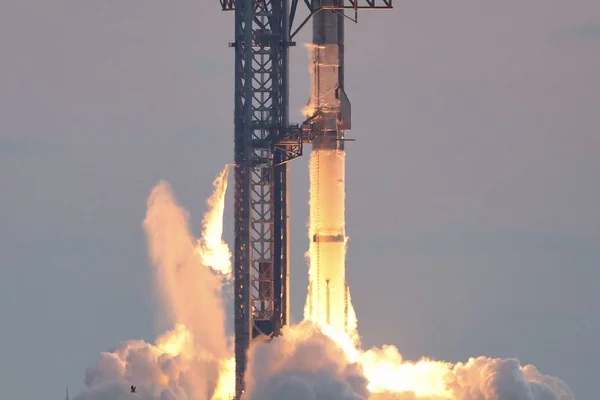
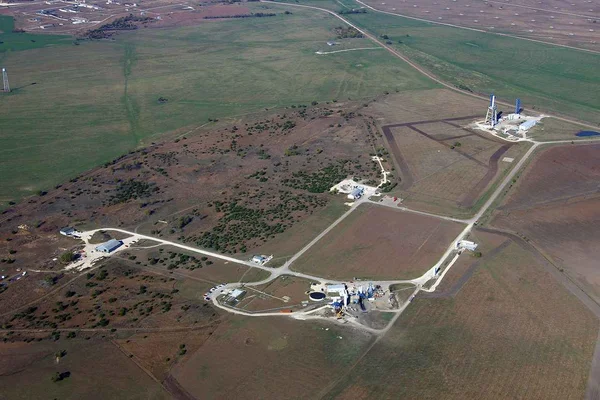
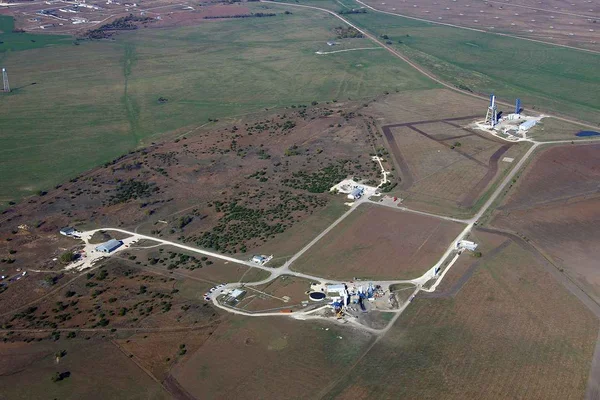
The US Space Force has formed a planning team to study a third domestic heavy-lift launch site by 2030, but no location, land deal or decision schedule has been set.
Rockets, satellites, deep-space missions, and the new space economy taking off.
104 articles
The US Space Force has formed a planning team to study a third domestic heavy-lift launch site by 2030, but no location, land deal or decision schedule has been set.

NASA has ended science operations for the Neil Gehrels Swift Observatory after nearly 22 years, and the spacecraft is expected to reenter Earth's atmosphere within weeks.
NASA's October 23 update keeps four astronauts on a summer 2027 low Earth orbit rehearsal, while its safety advisers want the Artemis IV landing plan reconsidered over refueling risk.
LeoLabs tracking data shows a Russian military spacecraft held station within roughly 500 metres of a US-registered radar satellite for several days before withdrawing.
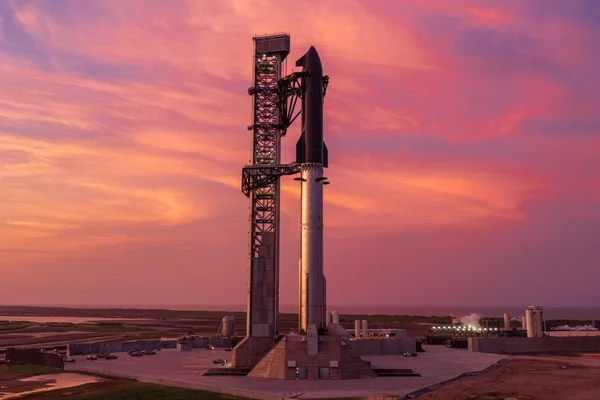
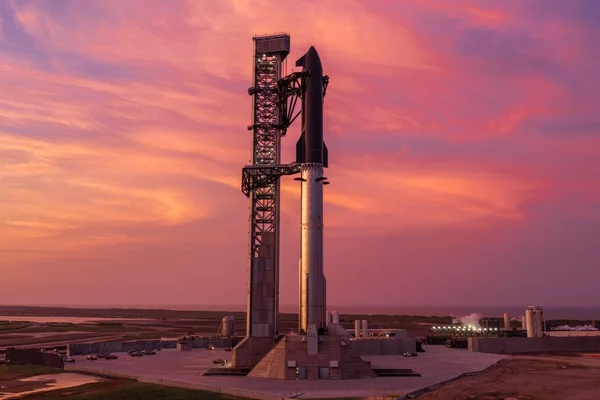
Elon Musk says Flight 15 in November will try to recover both Super Heavy and the Ship upper stage, a first for an orbital rocket and a test of SpaceX's reusability strategy.
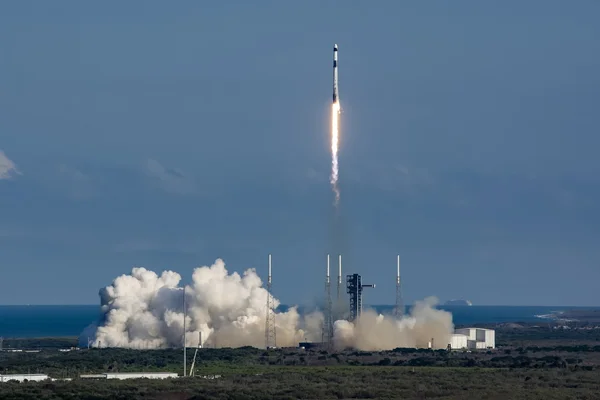
The Falcon 9 mission carried 32 payloads, including Varda's W-7 pharmaceutical capsule and SpaceX's reusable cargo demonstrator, as orbital return services move closer to routine use.
A PhD student's motion detection software flagged the streak in survey frames, and ground observatories confirmed the object as a comet on October 8, 2026.
The Japanese space agency has confirmed that its Martian Moons eXploration probe will lift off from Tanegashima on an H3 rocket, carrying a German and French rover and NASA instruments to Phobos.
The Federal Aviation Administration has opened a programmatic environmental review of SpaceX's request to lift its Starbase launch ceiling from 25 flights a year to 456, with public comments due November 30.
ADA Space's second Star Compute batch rode a LandSpace methane fueled rocket from northwest China, pushing its orbital computing fleet to 20 satellites and testing liquid cooling plus laser interlinks.
Seraphim's report shows space startups drew $20.8 billion in the third quarter, a record that was nearly three times the prior quarter and still an all-time high even without Blue Origin's $10 billion round.
The Falcon 9 booster B1096 flew for the eighth time and Dragon C211 for the fourth, delivering science experiments and the last iROSA pair to the orbiting laboratory.
NASA's October 9 request for proposals asks companies to design, certify and operate private low Earth orbit destinations, with bids due December 8 and awards expected in spring 2027.
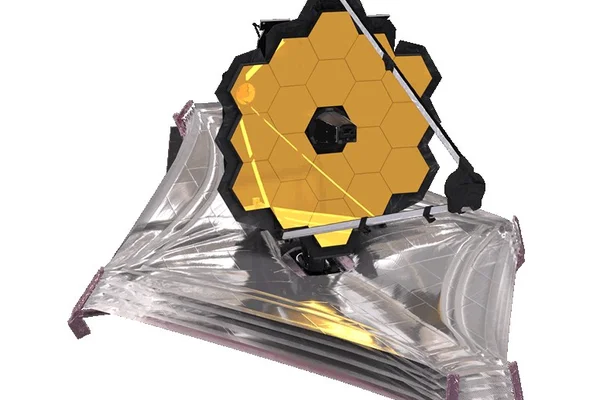
New JWST spectra of WISE 0855, the coldest known brown dwarf, show high water clouds thickening and thinning as it rotates, the first such weather seen beyond the solar system.
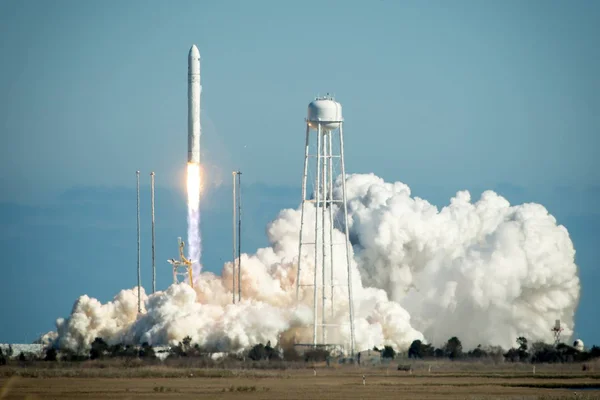
The fourth Tranche 1 Transport Layer mission placed 21 Northrop Grumman satellites into low Earth orbit after a five-day delay caused by an auto-abort at T-58 seconds.
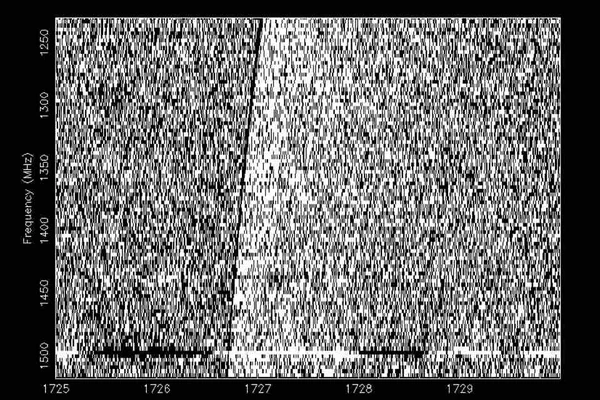
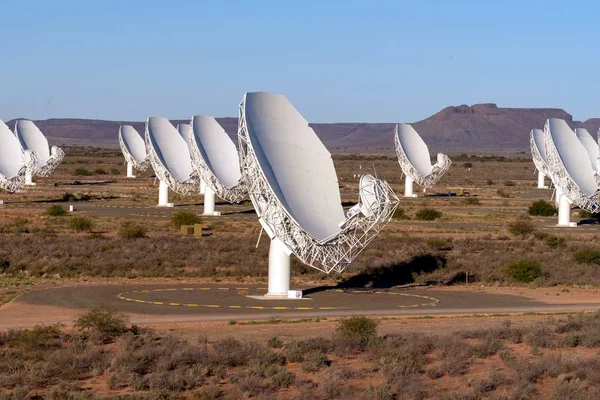
The MeerTRAP team spotted FRB 20240304B with MeerKAT in March 2024, and Webb later found its host, a metal poor dwarf galaxy at redshift 2.148, setting a new distance record.
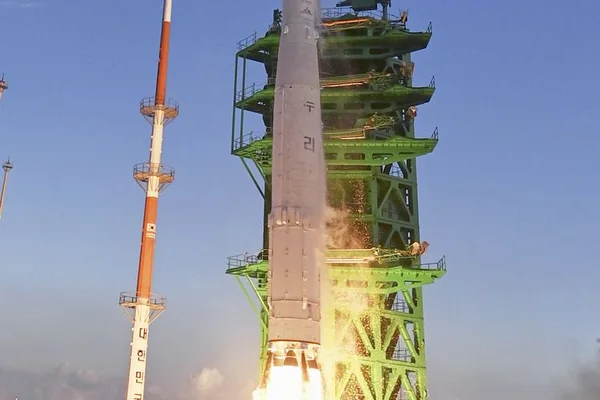
South Korea's homegrown Nuri rocket placed five NEONSAT microsatellites and nine CubeSats into orbit, but one Quaternion CubeSat failed to separate.
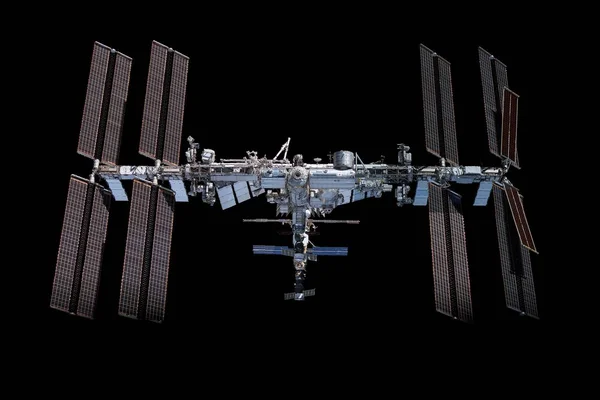
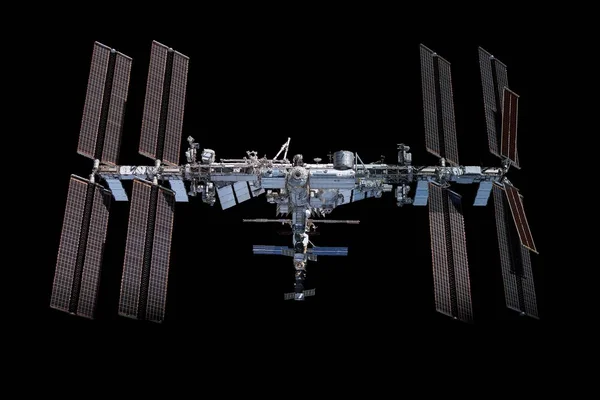
Four astronauts will leave the International Space Station aboard a SpaceX Dragon on October 7, with a Pacific splashdown planned the following day off California.
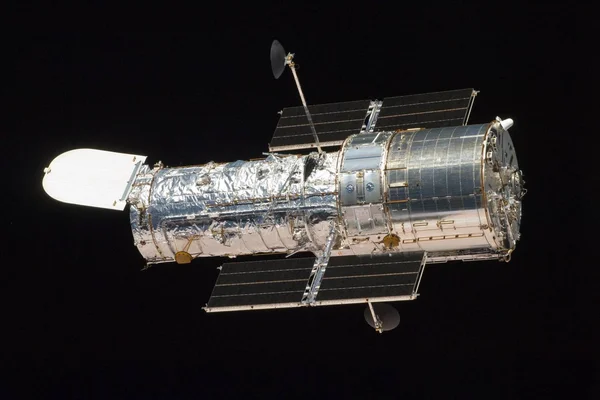
The Nature Astronomy study links an unusually strong niobium signal in a quarter-century-old Hubble spectrum to a Jupiter-sized world that may have formed from a dying star's own ejected material.
The Defense Innovation Unit and Space Systems Command have selected Northrop Grumman and True Anomaly to prototype satellites that will photograph objects in geosynchronous orbit by 2028.
MeerKAT's 64 dishes in South Africa recorded circularly polarized bursts from Beta Pictoris b, implying a magnetic field at least 200 times stronger than Jupiter's.