NASA and SpaceX are targeting no earlier than 8:05 a.m. EDT on Wednesday, October 7, 2026, for the SpaceX Crew-12 Dragon spacecraft to undock from the International Space Station, according to a NASA media advisory released October 5. The advisory, numbered M26-075 and issued by NASA Headquarters, says the departure depends on weather conditions. If the schedule holds, NASA expects the Dragon to splash down off the coast of California at approximately 11:34 a.m. EDT on Thursday, October 8.
The four people coming home are NASA astronauts Jessica Meir and Jack Hathaway, European Space Agency astronaut Sophie Adenot, and Roscosmos cosmonaut Andrey Fedyaev. NASA reported on October 5 in its space station blog that the quartet has been aboard the orbiting laboratory since February 14 and that the return will end a nearly eight-month stay in space. The same blog says they would undock Dragon from Harmony's space-facing port, orbit Earth for just over a day, reenter, and parachute to a Pacific Ocean splashdown.
The departure follows a crew handover that began when four Crew-13 members arrived on October 1. NASA reported on October 5 that the station held 11 crew members during the swap and that the incoming team had started a six-month research mission. The same NASA blog said Roscosmos cosmonaut Pyotr Dubrov accepted ISS command from Meir during an October 4 ceremony.
NASA's published operations timeline lists hatch closure at 6:20 a.m. on October 7, undocking coverage from 7:45 a.m., and undocking at 8:05 a.m. For October 8, it lists a deorbit burn at 10:46 a.m. and splashdown at 11:34 a.m. All listed times are Eastern and subject to change based on real-time operations, NASA said.
Key Facts
NASA said in the October 5 advisory that mission managers were monitoring three things: spacecraft readiness, recovery-team readiness, and Pacific weather. The agency said it would stream the return and splashdown live. SpacePolicyOnline reported on October 5 that NASA coverage would begin at 6:00 a.m. for hatch closure, scheduled for 6:20 a.m., and at 7:45 a.m. for the planned 8:05 a.m. undocking, an event listing that the site updated the same day to reflect NASA's target.
The crew roles come from SpacePolicyOnline, which reported on October 5 that Meir is commander, Hathaway is pilot, and Adenot and Fedyaev are mission specialists. That listing also notes that Crew-12 launched on February 13 and docked the next day at 3:15 p.m. ET. NASA's own blog said the four would leave Harmony's space-facing port and that the mission would conclude after nearly eight months in orbit.
The returning crew members have been in orbit since February 14, giving the mission a duration of nearly eight months, according to NASA. NASA's October 5 blog post describes Expedition 75 after the Crew-13 arrival and frames the handover as a rotation in which the station briefly hosts 11 people. The blog says Crew-13 began a six-month research mission.
Command of the station changed hands before the departure. NASA reported on October 5 that Dubrov accepted ISS command from Meir during a ceremony on October 4. That change keeps a Roscosmos cosmonaut in the top station job as the American and European members of Crew-12 prepare to leave.
Timing details appear in the NASA advisory and in the SpacePolicyOnline listing. The advisory's timeline places hatch closure at 6:20 a.m. on October 7 and undocking at 8:05 a.m. The October 8 timeline places the deorbit burn at 10:46 a.m. and splashdown at 11:34 a.m. NASA stressed that all times are Eastern and subject to change.
Analysis
The bigger picture here is that the Crew-12 return is less a single dramatic event than the closing of a long, carefully scheduled rotation that NASA and SpaceX have now performed many times. The agency's October 5 advisory lists weather as the principal variable, and the SpacePolicyOnline event page, updated the same day, treats the 8:05 a.m. undocking time as the working plan rather than a guarantee. Both sources describe a mission that is ready to end, but only when the Pacific recovery zone cooperates.
What this really means is that the most newsworthy element is not the date itself but the coordination behind it. The return requires the Dragon to separate from Harmony, fly a little more than a day on its own, fire a deorbit burn, and descend under parachutes to a splashdown point off California. NASA said mission managers were watching spacecraft readiness, recovery-team readiness, and Pacific weather, three separate gates that all have to open at roughly the same time.
The crew mix is another signal. Two NASA astronauts, one European Space Agency astronaut, and one Roscosmos cosmonaut are flying home together on a SpaceX vehicle. NASA reported on October 5 that the station held 11 people during the handover with Crew-13, a brief overlap that keeps the laboratory staffed while one team departs and another begins a six-month research mission. The arrangement reflects the station's continuing reliance on international partners and on commercial transportation.
For observers, the practical takeaway is that the schedule can move. NASA's advisory carries the phrase no earlier than, and the SpacePolicyOnline listing was updated to reflect that target. Weather, spacecraft checks, and sea state off California can each push the timeline. The agency has published specific times, but it has also said those times are subject to real-time operations, which is the standard caveat for any crewed reentry.
Why It Matters
A crewed return from the International Space Station is always a test of hardware and procedures, but this one also closes a nearly eight-month stay that began with a February 13 launch and a February 14 docking. NASA said Crew-12 is departing from Harmony's space-facing port, a route that has become routine for Dragon but still involves a deorbit burn and a parachute descent. Splashdown off California keeps the recovery chain on the West Coast, where NASA and SpaceX have planned the retrieval.
The handover matters for the station's research output. NASA reported on October 5 that Crew-13 arrived on October 1 and started a six-month mission, while Expedition 75 briefly carried 11 crew members. That overlap lets the outgoing and incoming teams exchange knowledge before the station drops back to its normal complement. The October 4 command change, with Dubrov taking over from Meir, is part of the same transition.
The mission also illustrates how public attention follows the final hours rather than the full stay. NASA said it would stream the return and splashdown live, and SpacePolicyOnline reported on October 5 that coverage would start at 6:00 a.m. for hatch closure and at 7:45 a.m. for undocking. For viewers, the visible milestones are the hatch closing, the undocking, the deorbit burn, and the splashdown, all mapped to specific Eastern times that NASA has published.
Next Up
If the weather holds, the next scheduled steps are hatch closure at 6:20 a.m. on October 7, undocking at 8:05 a.m., a deorbit burn at 10:46 a.m. on October 8, and splashdown at 11:34 a.m. NASA said the Dragon will orbit Earth for just over a day before reentry, and that the return will end a nearly eight-month stay.
After splashdown, the station continues under Expedition 75 with Crew-13 aboard and Dubrov in command. NASA reported on October 5 that the incoming crew had begun a six-month research mission, so the laboratory's work carries on while Crew-12's four members, Meir, Hathaway, Adenot, and Fedyaev, complete their return and recovery.
Related Articles
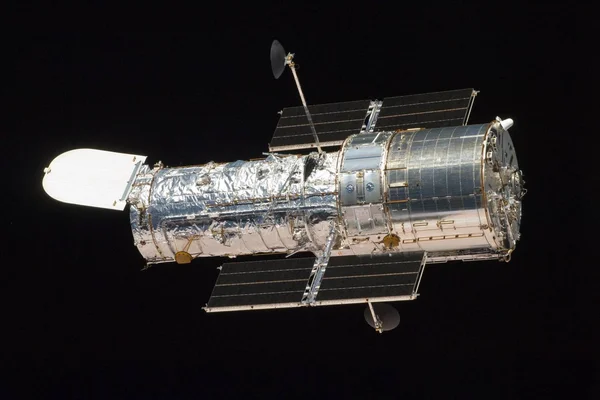
Hubble archival data points to first suspected second-generation planet around a white dwarf
The Nature Astronomy study links an unusually strong niobium signal in a quarter-century-old Hubble spectrum to a Jupiter-sized world that may have formed from a dying star's own ejected material.
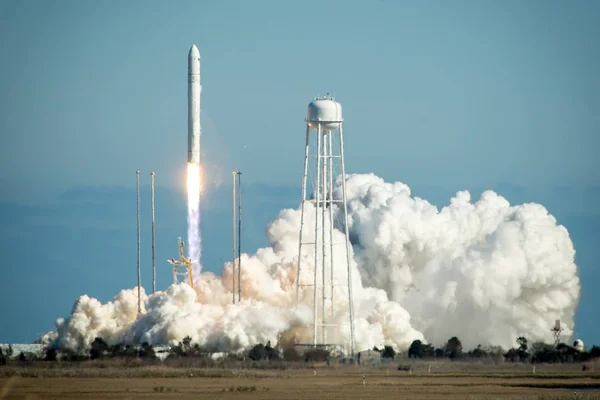
Pentagon picks Northrop Grumman and True Anomaly to build GEO reconnaissance satellites
The Defense Innovation Unit and Space Systems Command have selected Northrop Grumman and True Anomaly to prototype satellites that will photograph objects in geosynchronous orbit by 2028.
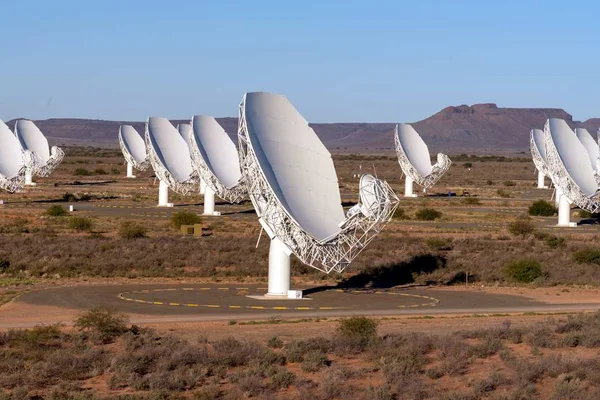
Astronomers trace first exoplanet radio emission to Beta Pictoris b with MeerKAT
MeerKAT's 64 dishes in South Africa recorded circularly polarized bursts from Beta Pictoris b, implying a magnetic field at least 200 times stronger than Jupiter's.
Comments (0)
Log in or sign up to leave a comment.
No comments yet. Be the first to share your thoughts.