New York's medical aid-in-dying law moved forward this week, with state regulators publishing the implementing regulations, STAT reported on August 3. The law allows terminally ill adults with less than six months to live to request medication to end their lives, under strict safeguards.
How It Works
Under the New York law, patients must be mentally competent, have a terminal prognosis confirmed by two physicians, make multiple requests over a waiting period, and self-administer the medication. Physicians and pharmacists are protected from criminal liability when acting in good faith under the law. Health systems can opt out of participating.
"New York's assisted-dying law moves forward. Medicaid work requirements in effect in Nebraska, AI scribes in med school, and more health news from Morning Rounds," STAT wrote.
Why It Matters
New York joins a growing list of states - including California, Oregon, Washington, Colorado, Vermont, Maine, New Jersey, Hawaii, and the District of Columbia - that have legalized medical aid-in-dying. The New York law is among the more restrictive versions, with several procedural safeguards. The expansion is being driven by patient advocacy and changing public attitudes, with polls showing growing support across demographic groups.
Other Health News
STAT's Morning Rounds also covered Nebraska's Medicaid work requirements, which took effect this month, and the use of AI scribes in medical schools - an increasingly common tool for documenting patient encounters. Educators have raised concerns that over-reliance on AI scribes could impair clinical learning. The Federation of State Medical Boards published an opinion piece in STAT weighing in on whether AI should be licensed to practice medicine.
Related Articles
FDA approves Bayer Kerendia as first new kidney disease therapy for type 1 diabetes in over 30 years
The U.S. Food and Drug Administration approved Bayer's Kerendia (finerenone) on September 17, 2026, giving adults with chronic kidney disease linked to type 1 diabetes their first new drug option in more than 30 years.

FDA Approves Fayuvi, First Gene Therapy for Sanfilippo Syndrome Type A, at $3.95 Million
Ultragenyx priced its newly approved one-time gene therapy at $3.95 million after the FDA cleared the first treatment designed to change the course of the fatal childhood brain disease.
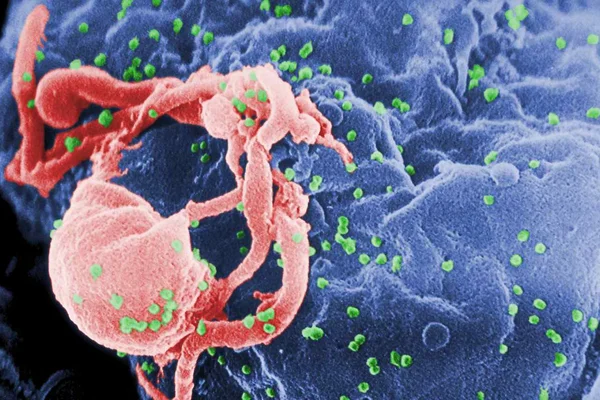
Fiji Declares National HIV Emergency as Diagnoses Surge 27 Percent
Fiji recorded 2,016 new HIV diagnoses in 2025, a 27 percent jump, while one in 60 adults is estimated to be living with the virus, prompting a national emergency and new harm-reduction plans.
Comments (0)
Log in or sign up to leave a comment.
No comments yet. Be the first to share your thoughts.