Recurrent respiratory papillomatosis, or RRP, is a rare disease caused by human papillomavirus types 6 and 11. The infection produces wart-like growths, most often around the larynx and vocal cords, causing hoarseness, chronic cough, voice changes and sometimes breathing difficulty as they spread through the respiratory tract. Surgery can remove the visible papillomas, but it does not clear the underlying virus, so many patients endure repeated procedures for years. The FDA also notes that RRP carries some risk of becoming cancerous.
For adults in that cycle, clinicians have relied on surgery to manage symptoms and protect the airway. That changed in August 2025, when Precigen's Papzimeos became the first medicine approved in the United States for the disease. Papzimeos uses a modified virus to trigger an immune response against HPV 6 and 11.
On October 30, 2026, the FDA added a second, mechanistically different option. The agency granted accelerated approval to Voceryq, whose generic name is doruxapapogene ralaplasmid and lalikinogene sifuplasmid-gxfd, for adults with RRP. The indication is to reduce the frequency of surgical papilloma excisions, not to eliminate the virus or replace surgery outright. The FDA described Voceryq as the first plasmid DNA-based immunotherapy approved in the United States, while Inovio called it the first FDA-approved DNA medicine.
The decision gives Inovio its first approved product and patients a new option. It also turns a long-running DNA medicines bet into a commercial test, with questions about uptake, payment, confirmatory evidence and competition now in focus.
Key Facts
The FDA announced on October 30, 2026, that it had granted accelerated approval to Voceryq for adults with RRP. The agency said the product targets the root cause and has been shown to reduce the burden of surgical intervention. Inovio announced on October 30, 2026, that it expects Voceryq to be available to order and ship in approximately 60 days, with a full commercial launch in the first quarter of 2027.
Voceryq is given by intramuscular injection and uses two plasmids. One encodes specific HPV proteins, and the other encodes interleukin-12, an immune-stimulating molecule. The injection is followed by electroporation using the CELLECTRA 5PSP device, which applies brief electrical pulses to open cell membranes. The prescribed course begins with removal of visible papillomas, followed by four doses at three-week intervals over nine weeks, according to Alliance Equity Research. Each dose is 1 mL at 6.25 mg/mL, supplied in single-dose, pre-filled clear glass cartridges with a 36-month dating period when stored at 2°C to 8°C. The device has a 12-month shelf life.
The efficacy evidence comes from the open-label RRP-001 study in 32 adults who had undergone two or more surgeries to remove laryngotracheal papillomas in the prior 12 months, including a scheduled surgery at trial entry. Twenty-six of the 32 had at least three surgeries in the preceding year and formed the efficacy population. Their median number of prior surgical excisions was 4.5, with a range of 3 to 8. Seven of those 26 patients, or 27%, required no surgical intervention during the first year after treatment. The 95% confidence interval was 12% to 48%.
Inovio said the full clinical data were published in Nature Communications and The Laryngoscope. Most adverse reactions were grade 1 or 2 and transient, with no grade 4 or 5 common adverse events, and all 32 patients completed the study. The FDA listed common adverse reactions as injection site reactions, headache, fatigue, hypertension, nausea and dizziness. Electroporation-related effects included brief muscle contractions, temporary bleeding at the administration site, anxiety and vasovagal reactions.
Because the approval rests on a surrogate endpoint that is reasonably likely to predict clinical benefit, the FDA required a confirmatory study. The approval letter, dated October 30, 2026, calls for at least 50 adult and pediatric patients with RRP who needed three or more surgical interventions in the 12 months before treatment. The study must evaluate the number of surgical interventions over at least three years against an appropriate external control group or a scientifically justified threshold, and it must explore possible redosing in patients without a sustained complete response beyond 36 months.
Analysis
The approval is a regulatory milestone, but the clinical result is modest and uncertain. In the 26-patient efficacy population, 27% needed no surgery in the first year, with a confidence interval spanning 12% to 48%. That range is wide because the study was small. The trial was also open-label and single-arm, with no randomized untreated comparison. Those features do not invalidate the result, but they limit how much benefit can be separated from natural history or trial structure.
Alliance Equity Research reported on October 31, 2026, that the published Phase 1/2 study also found fewer surgeries in 26 of all 32 participants, about 81%, relative to the preceding year. That broader measure includes partial benefit and is more encouraging than the complete-response figure, but it is not the primary basis for the label. A complete response means no surgical excision of papillomas after 12 months of follow-up. A reduction in surgeries can still be meaningful, but it is a different claim.
What this really means is that Voceryq has cleared the FDA's accelerated pathway on the strength of a surrogate endpoint, not on proof of long-term clinical benefit. The confirmatory study will determine whether the accelerated approval converts into a durable commercial and clinical franchise. Until then, the label and the launch will rest on a small, single-arm dataset and on the FDA's judgement that the results are reasonably likely to predict benefit.
Competition matters too. Stocktwits reported on October 30, 2026, that Inovio shares jumped more than 300% after hours while Precigen fell 27%. Reuters reported on October 30, 2026, that Inovio shares rose 215% in extended trading. The two figures differ, but both point to a sharp reassessment of Inovio and to concern that Papzimeos would lose its monopoly. Papzimeos, approved in August 2025, uses an adenoviral vector rather than plasmid DNA plus electroporation. Its pivotal analysis reported 18 complete responses among 35 patients, or 51.4%, over 12 months. Separate small trials cannot establish comparative efficacy, so the higher number does not prove that Papzimeos is better. It does, however, give physicians and payers a reason to compare the products closely.
Why It Matters
For patients, the practical promise is fewer operations. Dr. Simon Best of Johns Hopkins University, a lead investigator, said every surgery carries the risk of laryngeal injury, and he argued that the standard of care should quickly move toward immunotherapy after diagnosis. Dr. Jacqueline Shea, Inovio's chief executive, told Reuters ahead of the decision that physicians are primarily looking for therapies that reduce the need for surgery, noting that every operation carries a risk of permanent vocal cord damage.
For Inovio, the approval validates a platform that had not previously produced a marketed product. The company described Voceryq as the first FDA-approved DNA medicine, a claim that carries weight with investors and researchers. Inovio plans to commercialize the therapy on its own in the United States and is working with Syneos Health to support the launch. That decision keeps more of the commercial upside internally, but it also puts pressure on a small company to build sales, reimbursement and provider-training infrastructure.
The market is not empty. Precigen reported net product sales of Papzimeos of $74.7 million in the first half of 2026, the vast majority of its total revenue of $78.2 million. The drug brought in $3.4 million in net product sales in 2025 after shipments began in November. Those figures show a market exists but also how much of Precigen's business depends on one product. A second approved option may expand treatment, or it may split a small market. The outcome will depend on label details, physician experience, access and price, and the approval announcement did not disclose a price for Voceryq.
Next Up
Launch execution comes next. Inovio expects shipping in about 60 days and a full commercial launch in the first quarter of 2027. The company said it will host a conference call on Monday, November 2, 2026, at 8:00 AM Eastern Time. Providers will need device training, and administration involves injection-site and electroporation-related precautions. Inovio estimates at least 25,000 people in the United States have RRP, based on claims-data analysis, though that is a prevalence estimate rather than a verified pool of adults ready to start treatment.
The larger test is the confirmatory program. The FDA's approval letter sets a draft protocol deadline of December 30, 2026, a final protocol deadline of June 30, 2027, study completion by December 30, 2031, and a final study report by August 30, 2032. Until those results arrive, the approval remains conditional in substance, even as the product reaches patients. The coming months will show whether Voceryq can turn that approval into durable patient benefit and a sustainable business.
Related Articles

Barbados certified by WHO for eliminating mother-to-child transmission of HIV
A three-year record of zero infant infections and 98% coverage across antenatal care, testing and treatment earns the island a place among 15 certified territories in the Americas.

HHS Lets Licensed Pharmacies Compound Six Unapproved Peptides, Overruling FDA Scientists
The department will not enforce the compounding rule against licensed pharmacies and physicians for six unapproved peptides, a stopgap that sidelines FDA scientists and could open a $2 billion to $3 billion market.
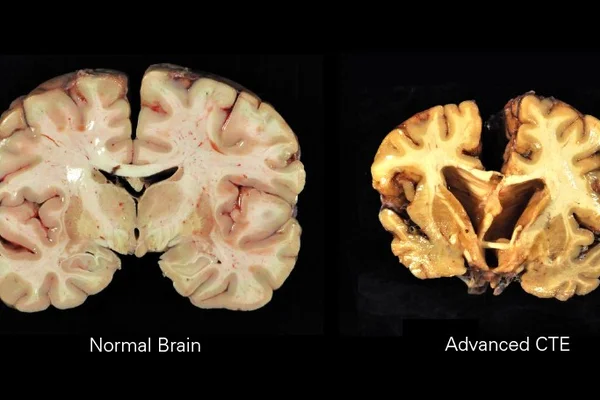
Study Estimates Nearly 75 Percent of Deceased Former NFL Players Had CTE
A Boston University study published in JAMA Network Open estimates that about three in four former NFL players who died between 2008 and 2023 had CTE, after correcting for brain donation bias.
Comments (0)
Log in or sign up to leave a comment.
No comments yet. Be the first to share your thoughts.