Fiji's Minister for Health and Medical Services, Dr Ratu Atonio Lalabalavu, formally declared a national HIV emergency on September 15, 2026, elevating the Pacific island nation's response from outbreak-level containment to a full national crisis. The declaration followed a Cabinet decision on September 9 and was made under Section 69 of the Public Health Act 1935. In a statement posted on social media, the minister said that an outbreak-level response was no longer sufficient to address what he described as an epidemic.
The numbers behind the decision are stark. Fiji recorded 2,016 new HIV diagnoses in 2025, a 27 percent increase over the previous year and roughly 16 times the level recorded in 2019. Government estimates put adult prevalence at approximately 1.6 percent, meaning that about one in 60 adults is living with the virus, up from an estimated one in 167 five years earlier. The country has a population of around 900,000 people.
Fiji's crisis is intertwined with a regional drug trade. Pacific islands, including Fiji, have served as transit hubs for methamphetamine and cocaine moving from Latin America and Asia towards markets in Australia and New Zealand, according to the Global Initiative Against Transnational Organized Crime. The flow of highly addictive drugs rose sharply after a lull during the COVID-19 pandemic, and those drugs have increasingly seeped into domestic markets, in part because foreign criminal syndicates pay local facilitators in kind. Unsafe injecting, a shortage of clean needles and a practice known as bluetoothing or hotspotting, in which intravenous drug users inject the blood of intoxicated peers, have accelerated transmission.
Key Facts
Reuters reported on September 17 that new diagnoses climbed 27 percent last year, with 2,016 people diagnosed in 2025 and one in 60 adults estimated to be living with the virus. The same report noted that 59 babies were born with HIV in 2025 and that 18 died before their first birthday, and that UNAIDS estimates 9,100 Fijians were living with HIV last year.
The Guardian reported on September 17 that the health minister said one in 50 pregnant women now has HIV, and it quoted him saying that five years ago the estimate was one in 167. The newspaper reported that Fiji's location as a drug-running hub, coupled with escalating local methamphetamine use, has fuelled the rapid spread of HIV, a situation worsened by unsafe injecting and a lack of access to clean needles.
Among HIV cases with a known mode of transmission, more than half were linked to sexual transmission and more than 42 percent to injecting drug use, according to UNAIDS. Archyde reported on September 17 that more detailed ministry figures put sexual transmission at 50.6 percent and injecting drug use at 42.6 percent of cases with an identified route, while noting that the route was unknown in 57.9 percent of newly diagnosed cases.
Of an estimated 9,100 people living with HIV in Fiji in 2025, only 39 percent knew their status and only 22 percent were receiving antiretroviral treatment, UNAIDS said. The agency noted that 36 percent of patients with available immune system test results already presented with advanced HIV disease at diagnosis, and that 845 of the 2,016 people diagnosed in 2025 were not enrolled in care at the time of analysis.
Euronews reported on September 17 that new diagnoses in 2025 were 16 times the level recorded in 2019, and that Fiji said it was receiving external support from Australia, New Zealand, India, the Global Fund and the United Nations. Save the Children Fiji reported that 59 babies acquired HIV from their mothers in 2025 and that 18 children died before their first birthday.
Analysis
What this really means is that Fiji is confronting a convergence of two public health emergencies that reinforce each other. A drug-trafficking transit route has produced a domestic methamphetamine market, and unsafe injection among a relatively small population has seeded an HIV epidemic that is now spreading sexually as well. UNAIDS said that new infections spiked 12-fold between 2010 and 2025, one of the sharpest increases in the world. Renata Ram, the United Nations HIV/AIDS country director in Fiji, told AFP earlier this year that transmission rates began to increase around 2019, when a group of very high-risk injecting drug users emerged, primarily in the sex worker community.
The scale of the treatment gap is as troubling as the infection curve. The fact that only 39 percent of people living with HIV know their status means that the majority of infections are undiagnosed, and the fact that only 22 percent are on antiretroviral treatment means that Fiji is well below the global average, where 78 percent of people with HIV access treatment. The government's own surveillance shows that 36 percent of those tested already had advanced disease at diagnosis. A country where roughly 60 percent of infections are invisible to the health system cannot interrupt transmission through treatment alone.
Age data sharpens the picture. People aged 20 to 24 accounted for 32 percent of 2025 diagnoses, and those aged 20 to 34 collectively represented 66.9 percent of all recorded cases. This is a young epidemic, concentrated in the most economically active cohort. Jason Mitchell, who leads the national HIV response taskforce, noted the toll the epidemic is taking on the country's medical infrastructure, with clinical services operating under severe pressure.
Fiji's response is unusual in its breadth. The government has set up a five-minister Cabinet subcommittee to remove barriers to action, plans to widen access to free, voluntary and confidential testing, prevention medicines and harm-reduction services, and intends to introduce legislation for a needle and syringe programme. UNAIDS Executive Director Winnie Byanyima said that Fiji has recognised the urgency of the moment and is stepping up its response, while adding that the situation is a stark reminder to the world that AIDS is not over.
Why It Matters
Fiji's epidemic matters beyond its borders because it demonstrates how quickly HIV can move through a small island population when drug use, stigma and weak testing coverage intersect. Eamonn Murphy, UNAIDS director for regions including Asia and the Pacific, said that Fiji still has an opportunity to change the course of this epidemic, and he called for stronger cooperation across the Pacific and sustained international solidarity. That framing treats Fiji as a test of whether the region can mount a coordinated response before the virus becomes entrenched.
The declaration also puts the methamphetamine trade squarely in the frame as a driver of infectious disease. Pacific islands have been transit hubs for drugs from Latin America and Asia destined for Australia and New Zealand, and local consumption has grown alongside that traffic. HIV prevalence among women receiving antenatal care has reached approximately 2 percent, or about one in 50, and the health minister said that one in 50 pregnant women has HIV, which means that transmission to newborns remains a live risk. Preventing mother-to-child transmission depends on testing and treatment reaching women before and during pregnancy.
The government has stated that discrimination against people living with HIV is illegal and that services are available nationwide. Enforcement and uptake of that protection will matter as much as clinical capacity, because stigma is one of the factors that has kept testing and treatment rates low.
Next Up
Parliament is expected to consider legislative amendments for a needle and syringe programme, which UNAIDS has welcomed. Alongside that, Fiji plans to scale up rapid testing, pre-exposure prophylaxis for people at higher risk, harm-reduction measures for people who inject drugs, and free treatment for people diagnosed with HIV. The five-minister Cabinet subcommittee is charged with removing barriers to action.
The immediate test is whether expanded testing converts into treatment. With 845 of the 2,016 people diagnosed in 2025 not enrolled in care, and with only 39 percent of all people living with HIV aware of their status, the next phase will show whether Fiji can turn a declaration into sustained coverage. UNAIDS said it remains engaged, and the external support pledged by Australia, New Zealand, India, the Global Fund and the United Nations will be measured against whether the 27 percent annual increase is reversed.
Related Articles

Abbott Wins FDA Approval for Aveir VR Mini, Its Smallest Leadless Pacemaker Yet
The 32.5 mm ventricular device is 14 percent shorter than Abbott's prior 38.0 mm Aveir VR and expands implant options for patients with slow heart rhythms.
FDA approves Pixclara, the first FET-PET imaging drug for glioma brain cancer in the United States
Telix Pharmaceuticals won U.S. approval for Pixclara, a fluorine-18 amino acid PET agent that helps doctors tell recurrent glioma apart from treatment-related changes.
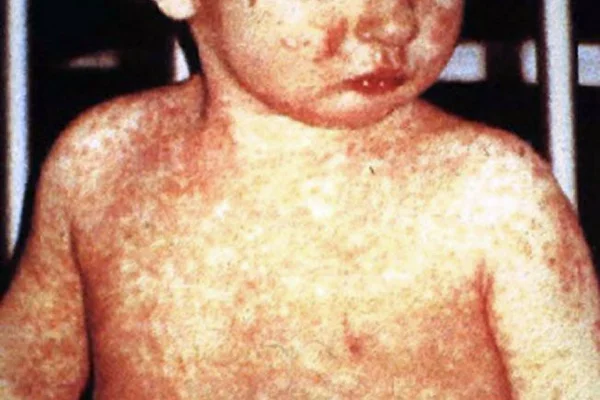
Pennsylvania Confirms Third Measles Death as Unvaccinated Woman, 40, Dies in Jefferson County
How a county coroner's finding in Jefferson County pushed Pennsylvania to its third measles-associated death of the year and deepened a fight with federal health officials over the count.
Comments (0)
Log in or sign up to leave a comment.
No comments yet. Be the first to share your thoughts.