Xona Space Systems has secured regulatory approval for the spectrum needed to operate a 250-satellite commercial navigation constellation, SpaceNews reported on August 3. The decision clears a major regulatory hurdle for what would be the first commercial challenger to the US Global Positioning System (GPS).
What Xona Is Building
Xona's Huginn constellation is designed to provide centimeter-accurate positioning, navigation, and timing (PNT) services for applications including autonomous vehicles, precision agriculture, and defense. The 250-satellite LEO constellation would complement rather than replace GPS, and the company is targeting customers who need higher accuracy and better resilience than GPS alone provides.
"Xona secures spectrum approval for 250-satellite navigation network," SpaceNews wrote.
Why It Matters
The spectrum approval is the regulatory milestone Xona needed before launching its first satellites. The company has already raised more than $200 million and has signed launch contracts with several providers. Initial deployment could begin in 2027, with the full constellation operational by the early 2030s. The market for high-precision PNT is expected to grow rapidly as autonomous systems become more common.
Competition and Defense
Xona is not the only company working on commercial PNT. Several other startups - including TrustPoint, Satelles, and one or two European ventures - are pursuing similar goals. The defense market is also a key target: the US Space Force has been funding redundant PNT programs to reduce reliance on GPS, which is vulnerable to jamming and spoofing. Xona's commercial business and its defense contracts reinforce each other.
Related Articles
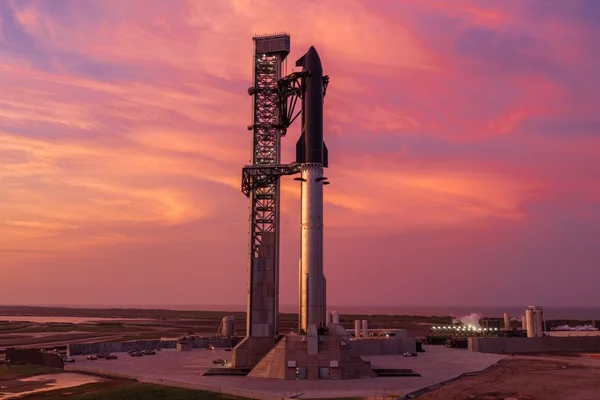
SpaceX Sets September 28 for Starship Flight 14 and First Orbital Trip With Starlink V3s
SpaceX moved Starship Flight 14 to September 28, 2026, setting up the megarocket's first orbital insertion and the debut deployment of 26 larger Starlink V3 satellites.
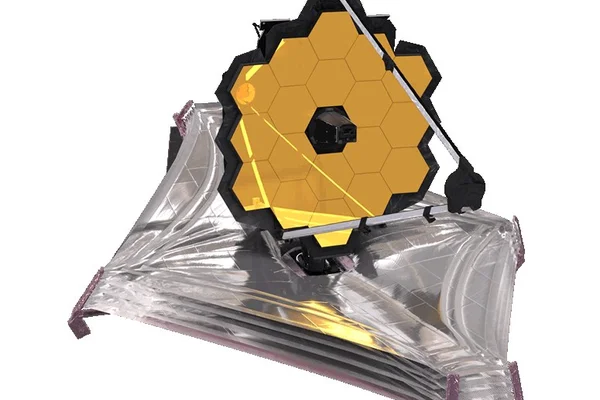
Simulation Ties JWST Little Red Dots to Rapidly Growing Heavy Seed Black Holes
A new Nature study led by Sunmyon Chon uses the ATERUI III supercomputer to show that James Webb Space Telescope little red dots are rapidly growing black holes formed from heavy seeds in the early universe.
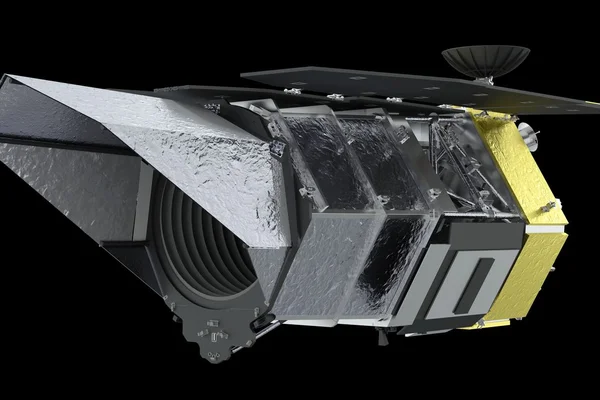
NASA Activates Roman Space Telescope Camera and Checks Out Coronagraph
NASA says its 300-megapixel Wide Field Instrument captured first starlight while the Coronagraph passed checkout, with the first science images expected in early 2027.
Comments (0)
Log in or sign up to leave a comment.
No comments yet. Be the first to share your thoughts.