South Korean chip stocks surged 18% in late July as investors piled back into AI plays at the end of a bruising month for the sector, the Financial Times reported on July 31. The rebound was led by Samsung Electronics and SK Hynix, both of which had sold off sharply through the month on fears of a memory glut.
What Changed
Three forces drove the rebound: stronger-than-expected earnings from TSMC, a Wall Street rally after the Federal Reserve's July FOMC statement, and a softer-than-feared read on memory demand from hyperscalers reporting quarterly results. The combination convinced investors that the AI capex story is intact, even if the pace is moderating.
"Chipmakers rebound at end of bruising month for the sector, helped by Wall Street rally," the FT wrote.
Why It Matters
South Korean chipmakers are the most direct equity-market proxy for memory pricing. When DRAM and NAND prices rise, Samsung and SK Hynix earnings rise with them. When AI demand softens, the stocks fall hardest. The 18% rebound reflects how quickly sentiment can swing in a tight market, and how exposed Korean equities are to a handful of US hyperscaler customers.
Looking Forward
The FT separately reported that AI infrastructure spending will hit $220 billion at Amazon this year alone, and that Apple is warning memory costs will hurt margins. Both data points suggest demand will remain strong through 2027, but the share-price volatility shows investors are not yet convinced. The KOSPI's chip-heavy index is now back within striking distance of its July high, but Korean retail investors - burned by the late-July selloff - are still net sellers of chip ETFs.
Related Articles
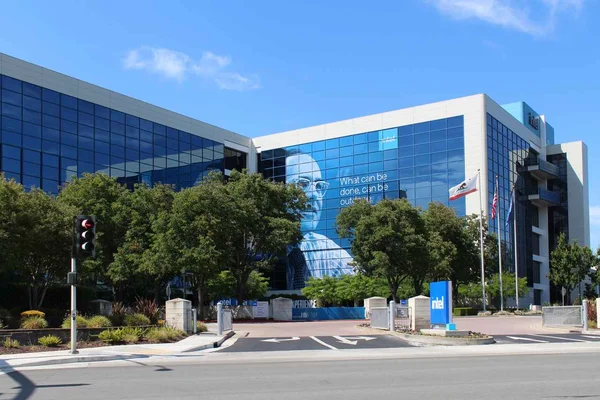
SK Hynix in talks with Intel to make memory chips in the US for the first time
A first ever American memory fabrication could emerge from the discussions, either through a lease inside Intel's delayed Ohio site or a joint venture that adds cloud providers as partners.

Meta to Deploy Third Generation MTIA 450 Arke AI Chip in Data Centers by 2027
Meta Platforms is testing its third-generation MTIA 450 Arke AI chip, built with Broadcom and TSMC, for data center deployment in the first half of 2027.
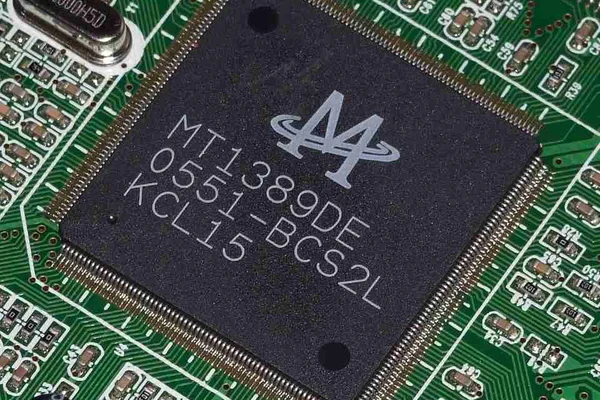
MediaTek Launches Dimensity 9600 Pro, First 2nm Phone Chip With 61% Power Cut
The Taiwanese chip designer says its new flagship mobile processor, built on TSMC's 2-nanometre node, cuts multi-core power by 61% while adding on-device AI models up to 30 billion parameters.
Comments (0)
Log in or sign up to leave a comment.
No comments yet. Be the first to share your thoughts.