Nvidia raised the price of its professional workstation graphics card, the RTX Pro 6000 Blackwell, to $16,000 on August 12 — a 20.8 percent increase in just two months, after the price was lifted to $13,250 in June — marking an 87 percent rise over 17 months from its $8,565 launch price, the Seoul Economic Daily reported.
A Memory Squeeze
The increases stem from a sharp rise in GDDR7 memory costs: soaring demand for high-bandwidth memory (HBM) used in AI data center GPUs has led memory makers to concentrate production lines on HBM, tightening supply of the GDDR7 chips used in gaming and professional cards and pushing their prices up. An abnormal situation has emerged in which a 3GB GDDR7 memory chip offers 50 percent more capacity than a 2GB chip but costs more than three times as much. The RTX Pro 6000 packs 96GB of GDDR7, and supply problems with other components such as multilayer ceramic capacitors are compounding the increases.
Chipflation Spreads
Nvidia earlier raised prices on its consumer RTX 50 series graphics cards by 20 to 30 percent — its third price adjustment this year — with increases that once applied only to premium models now spreading across the lineup. The effects are reaching smartphones too: Google launched its Pixel 11 with a starting price of $899, up $100, and cut the RAM in base Pro models to 12GB from 16GB. A Google official told the Seoul Economic Daily the tech industry is facing a severe, supplier-driven RAM shortage.
Related Articles
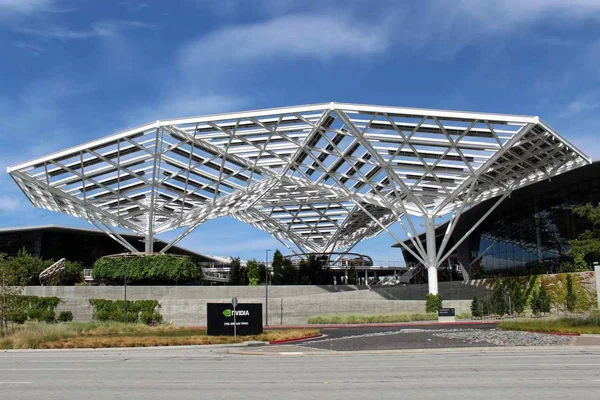
Nvidia adds 64GB DGX Spark at $4,999 while 128GB model rises to $6,950
Nvidia's new 64GB DGX Spark starts at $4,999 and ships October 23 through six PC makers, while the 128GB model now lists at $6,950 as memory supply remains tight into 2027 and 2028.
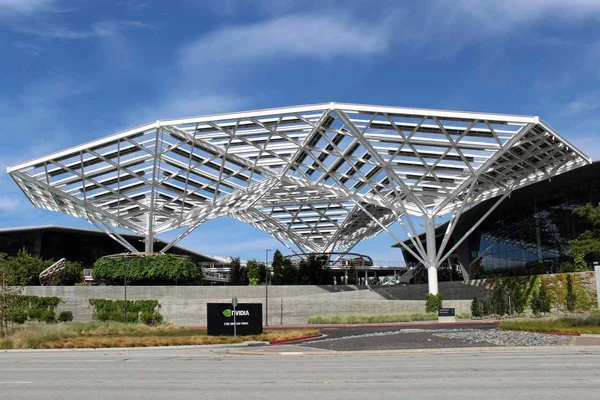
Nvidia Raises Shield TV Pro to $299.99 and Ends Base Shield TV After Seven Years
The $100 jump leaves Nvidia's flagship Android TV box at its highest price yet, with the cheaper tube model now out of production as memory costs ripple through consumer electronics.
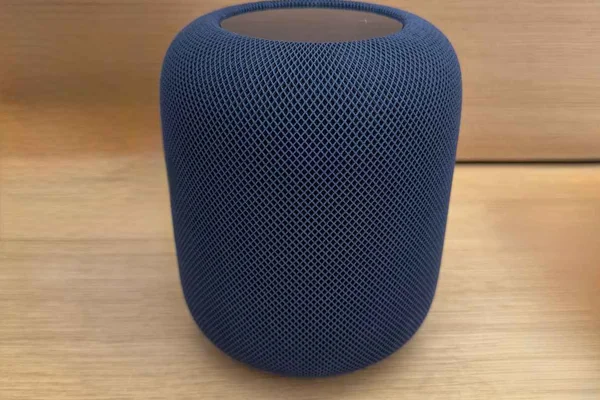
Apple to launch J490 smart home hub on October 13 with new HomePod mini and Apple TV
The iPhone maker will introduce a 6-inch smart display code-named J490, a refreshed HomePod mini, and a new Apple TV box, according to Bloomberg.
Comments (0)
Log in or sign up to leave a comment.
No comments yet. Be the first to share your thoughts.