NASA and SpaceX launched four astronauts toward the International Space Station on October 1, 2026, sending the Crew-13 mission off from Space Launch Complex 40 at Cape Canaveral Space Force Station in Florida at 11:10 a.m. EDT (15:10:06 UTC). The Crew Dragon spacecraft named Grace carries NASA astronauts Jessica Watkins, who serves as commander, and Luke Delaney, the pilot, along with Canadian Space Agency astronaut Joshua Kutryk and Roscosmos cosmonaut Sergey Teteryatnikov. NASA reported on October 1, 2026, that the planned trip from launch to docking is about 7 hours and 50 minutes, which the agency says will be the fastest by a U.S. spacecraft in space station history.
The mission is part of NASA's Commercial Crew Program, which relies on SpaceX to ferry crews to and from the orbiting laboratory. Dragon Grace is flying for the second time, having previously flown to the station on the Ax-4 mission in 2025. The Falcon 9 rocket uses a reused first-stage booster, B1101, making its third flight after launching 29 Starlink V2 Mini satellites on Starlink 6-88 and the Dragon Freedom on Crew-12. Spaceflight Now reported on October 1, 2026, that B1101 was to return to Cape Canaveral less than eight minutes after liftoff and touch down at Landing Zone 40, its seventh landing there and the 664th Falcon booster landing to date.
The record-short rendezvous stands out because most crewed trips to the station have taken longer. Spaceflight Now reported on October 1, 2026, that docking was scheduled about eight hours after launch, describing it as the shortest transit time ever for a Dragon spacecraft. NASA's own mission blog, updated on October 1, 2026, confirmed that the agency previously set docking for about 7 p.m. EDT at the forward-facing port of the station's Harmony module, with hatch opening around 8:45 p.m. The four crew members will spend about six months aboard the station, joining Expedition 75 and conducting research on human health, food and deep-space science.
Weather was a factor before launch. The 45th Weather Squadron forecast only a 55 percent chance of acceptable conditions, according to Spaceflight Now on October 1, 2026. Yet the rocket lifted off on time. Space.com reported on October 1, 2026, that the launch occurred on time at 11:10 a.m. EDT, which is 1510 GMT. Moments before liftoff, Watkins radioed a message of thanks to the teams at NASA, SpaceX, CSA and Roscosmos, according to Space.com. The blog also recorded that the first stage executed a boostback burn after stage separation and successfully landed at SpaceX's Pad 40 at Cape Canaveral Space Force Station.
Key Facts
NASA's mission blog logged the launch milestones in real time. The rocket reached Max Q at 11:12 a.m. EDT. First-stage main engine cutoff and stage separation occurred at 11:13 a.m. The Falcon 9 first stage completed its landing at SpaceX's Landing Zone 40 at Cape Canaveral Space Force Station. At 11:18 a.m., the second stage shut down. By 11:26 a.m., NASA reported that Dragon had reached orbit, separated from the Falcon 9 second stage and opened its nosecone, exposing the docking port. A postlaunch news conference was set for about 1:10 p.m. EDT, according to NASA, while Space.com reported the conference at 12:45 p.m. EDT.
The crew brings a mix of experience and firsts. Watkins is a geologist who previously served as a mission specialist on Crew-4 in 2022 and has logged 170 days on Expeditions 67 and 68. Spaceflight Now reported on October 1, 2026, that she will become the first agency astronaut to fly twice onboard a SpaceX Dragon spacecraft. Delaney is a former test pilot and research pilot at NASA's Langley Research Center. Kutryk was selected by CSA in 2017 and becomes the second Canadian to fly in 2026 after Jeremy Hansen flew with Artemis 2. He was previously assigned to Boeing's Starliner-1 before that flight was changed to cargo-only. Teteryatnikov was selected for cosmonaut training by Roscosmos in 2021 and became a test cosmonaut two years later.
The Falcon 9 booster B1101 was on its third flight. Spaceflight Now reported on October 1, 2026, that the booster had previously launched 29 Starlink V2 Mini satellites on Starlink 6-88 and the Dragon Freedom on Crew-12. Its landing at Landing Zone 40 was the seventh there and the 664th Falcon booster landing to date. SciTechDaily reported on September 28, 2026, that Dragon Grace previously flew to the station on the Ax-4 mission in 2025. The mission uses a reused first stage, a sign of SpaceX's growing reuse cadence.
Docking is targeted for about 7 p.m. EDT on October 1 at the forward-facing port of the station's Harmony module. Hatch opening is expected around 8:45 p.m. SciTechDaily reported on September 28, 2026, that NASA's coverage ran from 9:20 a.m. for launch and 5:20 p.m. for arrival. After arriving, the four crew members will briefly work alongside the Crew-12 mission during a handover. Crew-12 is expected to begin its journey back to Earth no earlier than Monday, October 5, 2026.
Analysis
What this really means is that the 7-hour 50-minute transit is more than a scheduling curiosity. It shows that SpaceX and NASA have refined the Crew Dragon's orbital rendezvous to the point where a crew can reach the station in a single workday. Spaceflight Now reported on October 1, 2026, that this is the shortest transit time ever for a Dragon spacecraft, while NASA said it will be the fastest by a U.S. spacecraft. The reduction from typical longer flights cuts the time astronauts spend in the cramped capsule and reduces the window for something to go wrong before docking.
The bigger picture here is the maturity of the Commercial Crew Program and the reusability of its hardware. Dragon Grace is on its second flight, booster B1101 is on its third, and the landing was the 664th Falcon booster recovery. This cadence matters because it demonstrates that crewed spaceflight is becoming more routine, even as the missions remain dangerous. The international makeup of the crew, with participants from NASA, CSA and Roscosmos, also reflects the station's long-standing partnership model.
Watkins becoming the first NASA astronaut to fly twice on a Dragon is a milestone for the program. Spaceflight Now reported on October 1, 2026, that she adds this flight to 170 days logged on Expeditions 67 and 68. Her experience as a geologist and her previous Crew-4 mission give the crew a seasoned commander. Kutryk's flight is also notable: he becomes the first Canadian to fly under Commercial Crew, and the second Canadian in 2026 after Jeremy Hansen's Artemis 2 flight. That is a sign that Canada's investment in space exploration is paying off with flight opportunities.
Why It Matters
Faster rendezvous reduces risk and improves crew comfort. A 7-hour 50-minute trip means the astronauts spend less time in the capsule's limited volume, and the station can begin its handover sooner. For NASA, the record also reinforces the reliability of the Commercial Crew Program, which is the agency's primary route to the station for U.S. astronauts.
The mission matters for international collaboration. A crew of four from three space agencies will live and work together for about six months. Their research on microgravity's effects on the human body could help protect astronauts on future missions to the Moon and Mars. The handover with Crew-12, which returns no earlier than October 5, 2026, ensures continuity of station operations.
The launch also highlights the reusability of SpaceX's fleet. A twice-flown Dragon and a thrice-flown Falcon 9 booster are now part of routine operations. The 664th Falcon booster landing is a reminder of how far reusable rocketry has come, and it lowers the cost of access to space over time.
Next Up
Docking is scheduled for about 7 p.m. EDT on October 1 at the forward port of the Harmony module, with hatch opening around 8:45 p.m. A postlaunch news conference was planned for the early afternoon; NASA's blog listed about 1:10 p.m. EDT, while Space.com reported 12:45 p.m. EDT. The crew will then begin a six-month stay, joining Expedition 75 and later Expedition 76.
Crew-12 will depart the station no earlier than Monday, October 5, 2026, after a brief handover. NASA's coverage of arrival began at 5:20 p.m. EDT on October 1. The agency will continue to provide updates on its Space Station blog.
Related Articles
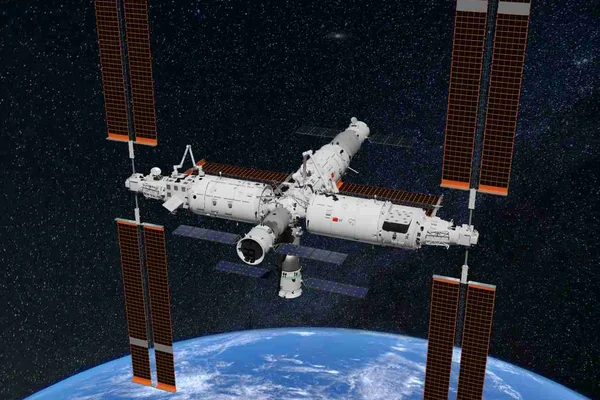
Pakistan to Pick First Astronaut for China Tiangong Flight as Two Pilots Train in Beijing
Two Pakistani pilots are training in Beijing for a one-week Shenzhou-24 mission to China's Tiangong station, with SUPARCO set to choose the first foreign astronaut in October.
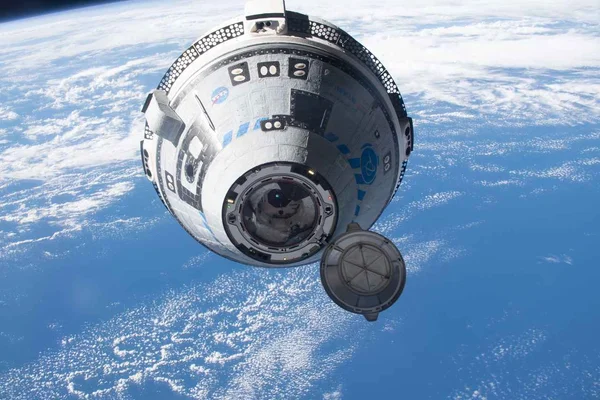
NASA Taps Woody Hoburg to Lead Starliner Crew Flight as Boeing Capsule Heads for December Test
NASA will fly an uncrewed Starliner as early as December 2026 and has named astronaut Woody Hoburg to command the first operational crew mission no sooner than mid 2028.
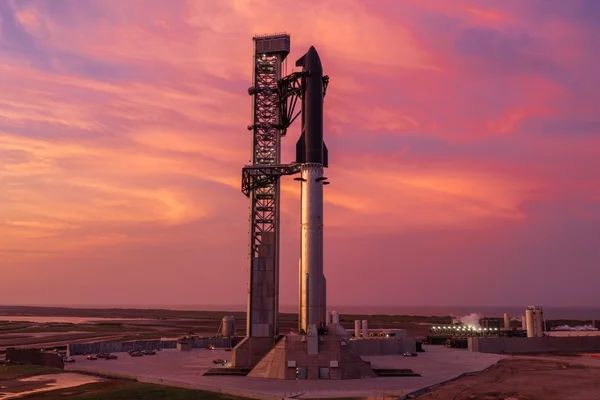
SpaceX Starship reaches Earth orbit for first time and deploys 26 Starlink V3 satellites
On September 28, 2026, SpaceX's Starship reached orbit for the first time on Flight 14, deploying 26 Starlink V3 satellites and marking a major step toward NASA's Artemis moon missions.
Comments (0)
Log in or sign up to leave a comment.
No comments yet. Be the first to share your thoughts.