A SpaceX Falcon 9 rocket launched the latest trio of AST SpaceMobile's BlueBird satellites from Cape Canaveral Space Force Station at 3:50 a.m. EDT on August 5, expanding the direct-to-cell constellation to 13 satellites as the company works toward beta services later this year, Space.com reported.
Giant Antennas for Standard Smartphones
BlueBirds 11, 12, and 13 are next-generation spacecraft whose antennas span a massive 2,400 square feet (223 square meters), designed to beam cellular broadband directly to unmodified smartphones. The launch nearly doubles the population of next-gen BlueBirds in low Earth orbit, which previously numbered four — satellites 6, 8, 9, and 10. The new satellites are expected to deliver nearly double the peak download speeds of the company's initial Block 1 satellites, which demonstrated peak downloads of 98.9 Mbps directly to standard phones.
A Milestone Booster Flight
The mission used first-stage booster B1077, which became just the fifth Falcon booster to reach at least 30 flights. It landed on the droneship A Shortfall of Gravitas in the Atlantic about 8.5 minutes after liftoff — the 162nd landing on that vessel and the 645th Falcon booster landing to date.
Toward Beta Service
"This orbital launch, combined with expanded manufacturing capacity and the recent successful launch and deployment of BlueBird satellites 8, 9, and 10, position us for beta services later this year with our space-based cellular broadband coverage," said Scott Wisniewski, the company's president. AST SpaceMobile said production is already in flow through satellite 42, with CEO Abel Avellan indicating the next trio of satellites will follow shortly.
Related Articles
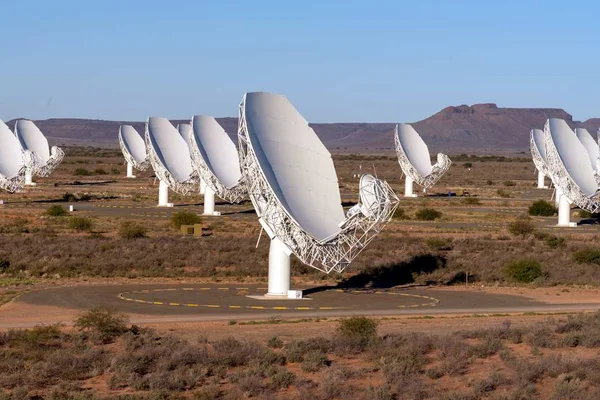
Astronomers trace first exoplanet radio emission to Beta Pictoris b with MeerKAT
MeerKAT's 64 dishes in South Africa recorded circularly polarized bursts from Beta Pictoris b, implying a magnetic field at least 200 times stronger than Jupiter's.

Google Puts Four TPUs in Orbit on SpaceX Mission to Test Project Suncatcher
Google confirmed its first Project Suncatcher prototype satellite, built with Planet and carrying four TPUs, reached orbit on SpaceX's Transporter-18 and is operating as expected.
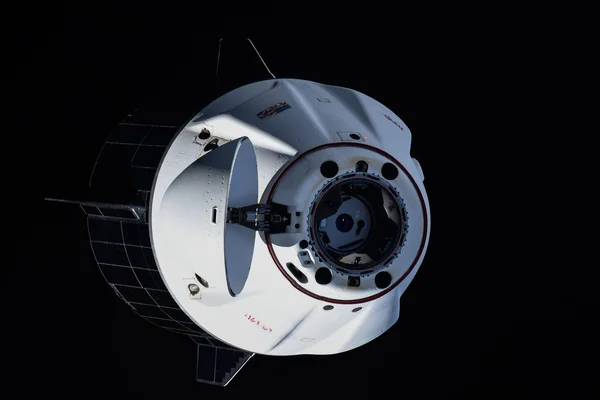
NASA and SpaceX Send Four Astronauts to Space Station in Record 7 Hour 50 Minute Trip
The Crew 13 mission lifted off from Cape Canaveral on October 1, 2026, carrying four astronauts to the International Space Station on a planned 7 hour 50 minute transit that NASA says is the fastest by a U.S. spacecraft.
Comments (0)
Log in or sign up to leave a comment.
No comments yet. Be the first to share your thoughts.