A federal court in Washington DC has dismissed a lawsuit brought by the US internet forums 4chan and Kiwi Farms against Britain's media regulator, the Office of Communications (Ofcom). The ruling, dated September 15, 2026, was issued by Judge Rudolph Contreras of the US District Court for the District of Columbia. The case number is 1:25-cv-02880-RC. The court held that it did not have jurisdiction to rule on the matter, because the forums were attempting to use American courts as a sword against Ofcom rather than as a shield to protect themselves.
4chan is an anonymous imageboard known for hosting a wide range of content, including pornography and conspiracy theories. The site attracts roughly 20 million monthly visitors worldwide, with about 1.4 million of those in the United Kingdom. Kiwi Farms, which is operated by Lolcow LLC, is a forum that has also clashed with Ofcom. Together, the two platforms argued that threatening communications they received from the British regulator interfered with their constitutional rights and operations.
The dispute centers on Britain's Online Safety Act, a law designed to protect children and vulnerable users from illegal content online. Critics of the legislation have said it threatens free speech. The British government has fully backed Ofcom in taking action to enforce the law. The enforcement has caused broader tension between US tech companies and Britain, raising questions about how far one country's regulations can reach into the operations of foreign platforms.
Ofcom had accused both 4chan and Kiwi Farms of failing to respond to its statutory information requests. In response, the forums sued in US court, seeking to block Ofcom's enforcement actions. The lawsuit, filed on August 27, 2025, alleged that Ofcom's demands and penalties interfered with their constitutional rights. The court's dismissal means the forums must now defend themselves in British courts, a point the ruling emphasized.
Key Facts
The US District Court for the District of Columbia dismissed the case on jurisdictional grounds. Reuters reported on September 16 that the court said it did not have jurisdiction to rule on the matter. The ruling, dated September 15, 2026, was issued by District Judge Rudolph Contreras. The case number is 1:25-cv-02880-RC.
The origins of the dispute trace back to August 12, 2025, when Ofcom sent 4chan a provisional notice of contravention. That notice threatened to impose a fine of £20,000 (about $27,000) as well as daily fines of £100 for up to 60 days. 4chan brought its lawsuit later that month, on August 27, 2025. Ofcom then imposed the fine in October 2025, marking the first fine under the new regime established by the Online Safety Act.
Global Freedom of Expression reported on April 21 that Ofcom later issued a Confirmation Decision finding 4chan in continuing violation of the Online Safety Act 2023. That decision, issued on April 21, 2026, imposed fixed financial penalties totaling £520,000, which is approximately $693,000. Ofcom determined that enforcing the safety regulations constituted a lawful and proportionate restriction on free expression, applying Article 10 of the European Convention on Human Rights.
In its ruling, the US court stated: 'Put simply, plaintiffs' suit fails because they seek to use American courts as a sword against Ofcom rather than as a shield to protect themselves.' The quote is from District Judge Rudolph Contreras. An Ofcom spokesperson said the ruling acknowledged that Ofcom is within its rights as a UK regulator to investigate breaches of the UK's online safety laws. The spokesperson said the court dismissed claims by 4chan and Kiwi Farms, which had sought to stop Ofcom from doing its job of creating a safer life online for people in the UK.
The court added that if Ofcom obtained a judgment in the UK, that judgment would most likely have to be enforced in the United States, because the companies had no presence or operations abroad. The Straits Times reported on September 16 that the ruling said the plaintiffs could defend themselves in British courts. Global Banking & Finance Review reported on September 16 that the key takeaway is that US courts are not a proper venue, and if Ofcom secures a UK judgment it may seek enforcement in the US under the Online Safety Act.
Analysis
What this really means is that US courts are increasingly unwilling to serve as a preemptive shield for foreign platforms facing regulatory action in other countries. The dismissal signals that American judges expect companies with global audiences to engage with foreign regulators in the regulators' own courts. For 4chan and Kiwi Farms, the path to challenging Ofcom now runs through the British legal system, not the US federal courts. The decision reinforces the principle that jurisdiction matters, and that a US presence alone does not automatically confer the right to halt foreign enforcement actions.
The ruling also highlights the growing friction between US tech companies and the United Kingdom over the Online Safety Act. Critics of the law argue that it threatens free speech, while the British government and Ofcom maintain that the law is necessary to protect children and vulnerable users from illegal content. The court's deference to UK jurisdiction suggests that US judges are reluctant to second-guess a foreign regulator's enforcement of its own laws, especially when the platforms in question have significant UK user bases. DevDiscourse reported on September 16 that the dismissal was due to jurisdictional issues.
Ofcom's findings provide concrete context for why the regulator pursued enforcement. The regulator determined that 4chan maintained 'links with the United Kingdom,' noting that the site hosted hundreds of thousands of British visitors monthly and that its advertising materials marketed its British demographic to advertisers. 4chan's total monthly visitors are around 20 million worldwide, with about 1.4 million in the UK. These numbers helped Ofcom justify its jurisdiction under Section 4 of the Online Safety Act. The platform refused to cooperate or deploy age-verification mechanisms, citing US constitutional protections and asserting that such mandates would unlawfully dismantle digital anonymity. Ofcom rejected that argument, concluding that compelling the platform to mitigate unlawful material and shield minors from adult content was a necessary and justified interference.
The bigger picture here is that the case sets a precedent for how US courts will treat foreign regulatory enforcement against American-operated online platforms. By dismissing the suit, the court has effectively told platforms that if they operate globally, they must be prepared to defend themselves in multiple legal systems. This could encourage other platforms facing Ofcom scrutiny to engage directly with the UK regulator rather than seeking US judicial intervention. It also underscores the limits of US constitutional arguments when applied to foreign regulatory regimes, particularly when the platforms have substantial user bases and advertising operations in the regulating country.
Why It Matters
For US platforms, the ruling makes clear that American courts are not a reliable venue for blocking foreign regulators. Companies that operate internationally may need to reassess their legal strategies when facing enforcement actions abroad. The decision could lead to more platforms participating in UK regulatory proceedings, rather than attempting to short-circuit them through US litigation. It also reinforces the importance of compliance with local laws, even when those laws conflict with US constitutional interpretations.
The case also matters for the ongoing debate over free speech and online regulation. Critics of the Online Safety Act have argued that it threatens free expression, and the dismissal means that 4chan and Kiwi Farms cannot use US courts to challenge the law directly. Instead, they must argue their case in British courts, where the legal framework and constitutional protections differ. The British government's full backing of Ofcom signals that the UK is committed to enforcing the law despite criticism from US tech companies and free speech advocates.
Cross-border enforcement is another key issue. The US court noted that if Ofcom obtains a judgment, that judgment would most likely have to be enforced in the United States, because the companies had no presence or operations abroad. This means that Ofcom could still seek to enforce any UK judgment in the US. The possibility of enforcement in the US gives Ofcom additional leverage and could have a chilling effect on platforms that might otherwise ignore UK regulations. It also raises questions about how US courts would handle such enforcement requests in the future.
Next Up
4chan and Kiwi Farms are now expected to defend themselves in British courts, where they can challenge Ofcom's findings and penalties. The forums may argue that the Online Safety Act infringes on their rights, but they will do so under UK law. The outcome of any UK proceedings could set important precedents for how the Act is applied to foreign platforms. Meanwhile, Ofcom is likely to continue enforcing the law against other platforms that fail to comply with its information requests and safety obligations.
The broader technology industry will be watching closely. Other US platforms facing similar regulatory scrutiny in the UK may reconsider their legal strategies in light of this dismissal. As the Online Safety Act continues to be enforced, more disputes between US platforms and UK regulators are likely to arise, and the courts will play a central role in defining the boundaries of jurisdiction and free expression online.
Related Articles
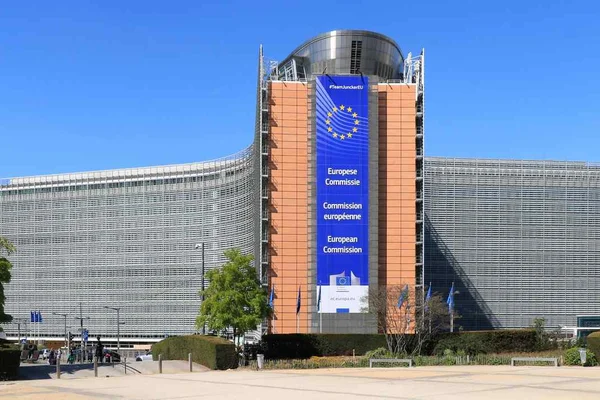
European Commission to propose EU Kids Act banning social media for under 15s
Brussels plans to require parental approval before anyone under 15 can open accounts on social apps, video sites, chatbots or games, under a draft law due on September 17, 2026.
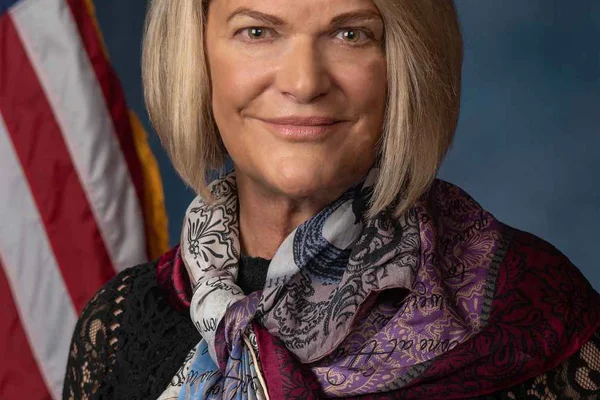
Senate Sets September 15 Cloture Vote on Crypto Clarity Act After 126 Democratic Concessions
The US Senate is set to vote on September 15, 2026, on whether to advance the Digital Asset Market Clarity Act, a bill that includes 126 changes requested by Democrats but still faces uncertain odds.
EU Cyber Resilience Act Reporting Rules Go Live With 24 Hour Flaw Disclosure Deadline
Manufacturers selling connected products in the EU must now alert ENISA and a national CSIRT within 24 hours of learning that a vulnerability is being actively exploited.
Comments (0)
Log in or sign up to leave a comment.
No comments yet. Be the first to share your thoughts.