Tesla's retooled Fremont line is now targeting a 100,000-unit Optimus production run for 2026, according to internal documents reviewed by industry analysts. The milestone reflects a category-wide shift that several executives have described as the humanoid robot's "iPhone moment" - a convergence of mature hardware, capable AI, and falling cost that unlocks a mass market.
The New Fremont
The Fremont Body Shop has been reconfigured over nine months into a dual-purpose line that can build either Model 3 rear underbodies or Optimus torsos. Cell capacity has been redirected toward Tesla's in-house silicon-carbide inverter and the custom joint module, both of which were designed specifically to hit the $20,000 cost target.
"We went from a research prototype in 2023 to a manufacturing platform in 2026. The retool was the part nobody talks about, and it was the part that determined everything," said a former Tesla manufacturing engineer now advising a competitor.
The Three-Way Race
Figure, Tesla Optimus, and Boston Dynamics are now broadly seen as the three companies that will define the category's first commercial decade. Figure's edge is its BMW factory deployment and tightly scoped use cases. Tesla's edge is manufacturing scale and vertical integration. Boston Dynamics' edge is decades of dynamic-motion research and a partnership with Hyundai for real-world testing.
NVIDIA's Quiet Role
NVIDIA's Isaac GR00T foundation model has emerged as the default training backbone for new humanoid entrants, providing the manipulation and locomotion priors that used to require years of in-house data collection. That infrastructure decision has accelerated the entire category by an estimated two years.
The question for 2027 is no longer whether humanoids will ship at scale, but which vendor survives the inevitable consolidation that follows.
Related Articles
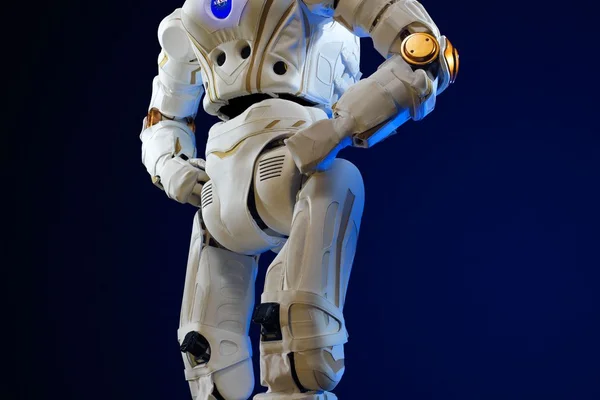
GMO unveils Japan's first robot ambulance to repair humanoid robots on site in Tokyo
GMO Air's new van brings engineers, spare parts and a replacement humanoid to broken robots in Tokyo, aiming to cut downtime for operators.
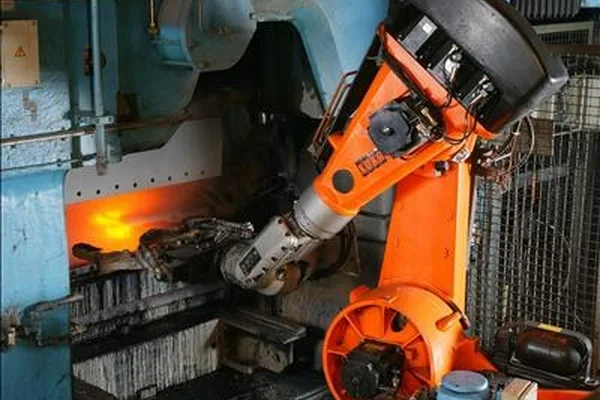
Maven Robotics exits stealth with $100M Series A for general purpose industrial robots
The Santa Clara startup says its wheeled robots already handle mixed palletizing for a Fortune 250 consumer goods customer and has raised $100 million to build 250 more units.

Swarmer to acquire Ukraine's Ratel Robotics for up to $224 million in cash and stock
Swarmer will pay about $7.2 million in cash and 1,064,942 shares at closing for the Ukrainian maker of battlefield ground robots, with the rest tied to earnouts through 2028.
Comments (0)
Log in or sign up to leave a comment.
No comments yet. Be the first to share your thoughts.