SpaceX has now deployed roughly 1,002 Starlink satellites in 2026 across 37 dedicated missions, the highest annual cadence in the constellation's history. With more than seven months still on the calendar, the 2026 total is on track to clear 1,800 satellites, easily surpassing the 2025 record.
The Numbers
Of the 37 batches flown so far, the majority have been V2-mini satellites launched on Falcon 9 from Vandenberg and Cape Canaveral. The transition to V3 Starlink - originally planned for Q2 - has slipped following the Flight 13 anomaly but is expected to resume in Q3.
"SpaceX is adding capacity faster than the market is absorbing it. That is either a sign of oversupply or a sign that demand is still ahead of build - and right now, the evidence points to the latter," said an analyst at a launch-tracking consultancy.
Why Cadence Matters
Each V2-mini satellite adds roughly 60 Gbps of usable capacity. The 1,002 satellites flown in 2026 represent an incremental 60 Tbps of network capacity - more than the entire fleet generated at the start of 2024. Direct-to-cell, which launched commercially in late 2025, now accounts for roughly a quarter of all new satellite deployments.
The Constraint Going Forward
The next ceiling is launch capacity, not satellite production. Starship is expected to begin contributing meaningfully to Starlink deployment once Flight 14 clears the anomaly review, with each V3-optimized Starship mission carrying roughly four times the payload of a Falcon 9.
For competitors - Amazon Kuiper, China's Guowang, and Eutelsat-OneWeb - matching this cadence is the only path to remaining relevant in the consumer broadband market.
Related Articles
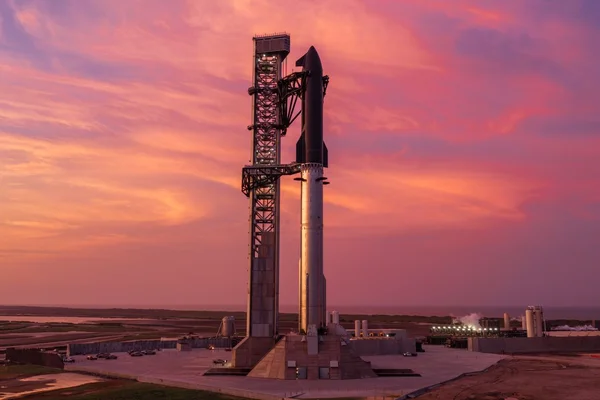
SpaceX Starship Flight 14 Eyes First Orbit With 20 Starlink V3 Satellites
Federal air traffic planners have reserved a two hour window on September 18, 2026 for a Starship mission that would fly about 20 Starlink V3 satellites and, per SpaceX's finance chief, bring in revenue.
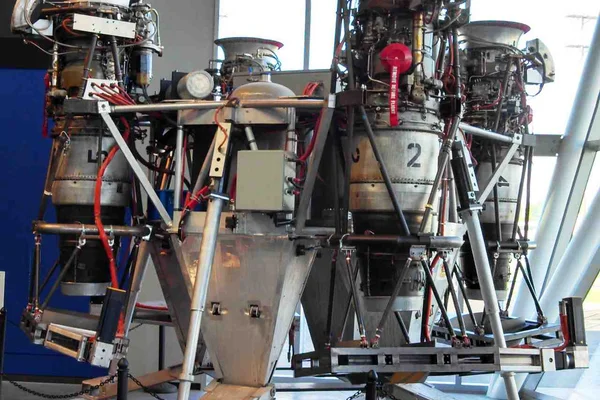
Rocket Lab protests NASA's $700 million Mars orbiter award to Blue Origin
Rocket Lab filed a GAO protest on September 11, 2026, challenging NASA's $700 million Mars Telecommunications Network award to Blue Origin over eligibility and review concerns.
ESA Awards The Exploration Company 760 Million Euro Contract for Nyx Cargo Capsule to ISS
The European Space Agency has selected The Exploration Company to fly a reusable Nyx cargo capsule to the International Space Station under a contract worth up to 760 million euros.
Comments (0)
Log in or sign up to leave a comment.
No comments yet. Be the first to share your thoughts.