SpaceX's Starship Flight 13 lifted off Pad 2 at Starbase Texas on July 16 but shut down shortly after booster ignition, ending the mission before it could deploy a batch of next-generation V3 Starlink satellites. Engineers are now reviewing telemetry from the booster and Raptor engines to identify the anomaly.
What Happened
According to Spaceflight Now, the vehicle began its ignition sequence on schedule but triggered an automatic abort within seconds of liftoff. No payload was at risk, and the booster remained on the pad. The mission was designed to test a series of full-reusability improvements that SpaceX has been working toward since Flight 11.
"An engine-side anomaly during ignition is not the same as a flight anomaly. The vehicle did exactly what it was supposed to do - stop before something broke," said one analyst tracking the SpaceX manifest.
Why V3 Starlink Mattered
Flight 13 was the first mission intended to carry V3 Starlink satellites - the next-generation platform that quadruples per-satellite throughput and adds direct-to-cell capability. The delay pushes the V3 deployment cadence by at least one quarter, which has knock-on effects for Starlink's 2026 capacity targets.
What Comes Next
SpaceX has not committed to a new launch date. The Federal Aviation Administration's anomaly review process typically takes 4-8 weeks, though SpaceX's recent track record suggests faster turnaround for ignition-side issues. Pad 2 remains active and is expected to host Flight 14 once the review closes.
For the broader launch industry, the abort is a reminder that even the most flown orbital-class vehicle of the decade still treats every mission as a test.
Related Articles
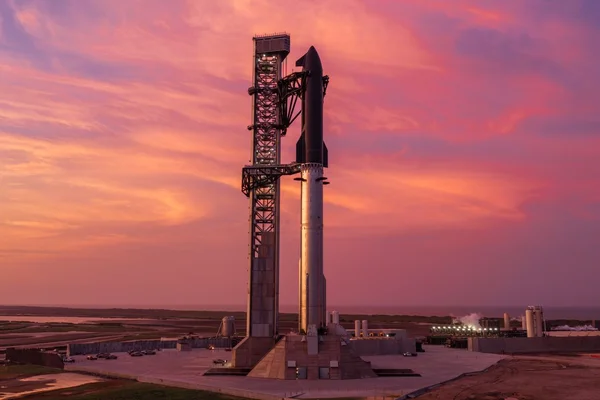
SpaceX Starship Flight 14 Eyes First Orbit With 20 Starlink V3 Satellites
Federal air traffic planners have reserved a two hour window on September 18, 2026 for a Starship mission that would fly about 20 Starlink V3 satellites and, per SpaceX's finance chief, bring in revenue.
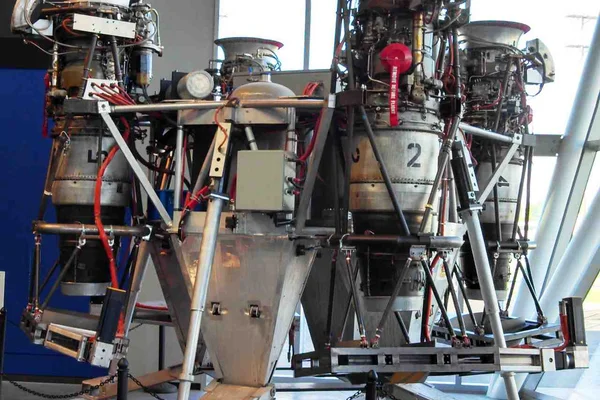
Rocket Lab protests NASA's $700 million Mars orbiter award to Blue Origin
Rocket Lab filed a GAO protest on September 11, 2026, challenging NASA's $700 million Mars Telecommunications Network award to Blue Origin over eligibility and review concerns.
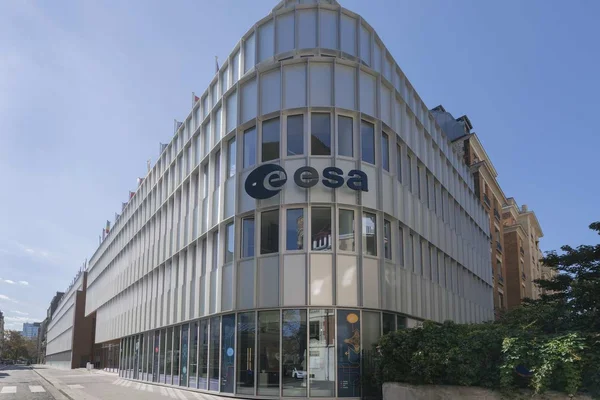
ESA Awards The Exploration Company 760 Million Euro Contract for Nyx Cargo Capsule to ISS
The European Space Agency has selected The Exploration Company to fly a reusable Nyx cargo capsule to the International Space Station under a contract worth up to 760 million euros.
Comments (0)
Log in or sign up to leave a comment.
No comments yet. Be the first to share your thoughts.