Sony's PlayStation division spent the middle of the 2020s doing something unusual for a console maker in the sixth year of a hardware cycle: selling fewer machines while earning more from the people who already owned one. That pattern came into focus on November 5, 2026, when Sony Group Corporation reported results for the three months ended September 30, 2026 and confirmed that the PlayStation 5 had reached 97.9 million lifetime shipments, even as quarterly console shipments fell by more than a third.
The PlayStation 5 launched in November 2020, which means the console turns six years old this month. Console cycles have a familiar shape: shipments peak a few years after launch, first-party studios move to exclusive releases, and the platform holder leans on subscriptions and storefront revenue. Sony's own executives described the current moment in those terms. Chief Financial Officer Lin Tao said that although new PS5 unit sales are gradually declining as expected at this stage of the console life cycle, the PlayStation platform continues to expand and grow in a stable manner. Video Games Chronicle reported on November 5, 2026 that she made those comments during the company's latest financial results.
The quarter is also the last full three-month window before Grand Theft Auto VI arrives. Shacknews reported on November 5, 2026 that the period was the final full quarter before the release of Grand Theft Auto VI, which will be available on PS5. A release of that size tends to pull hardware and software spending toward the platform it lands on, and Sony has been positioning the PS5 install base to capture it.
The headline numbers point in two directions at once. Sony's group net profit rose 44 percent, PlayStation software and network services grew at a healthy clip, and management raised its full-year forecast for the games segment. Yet PS5 hardware shipments dropped 35 percent year over year. The story of the quarter is not that Sony sold fewer consoles. It is that Sony has found a way to make more money from a shrinking hardware base, and that the company is now openly managing the transition to whatever comes after the PS5.
Key Facts
Sony's Game and Network Services division, which houses the console business, recorded net sales of 1,208.5 billion yen for the quarter, an increase of 9 percent, while operating income climbed 83 percent to 220.1 billion yen. Game Dev Wire reported on November 5, 2026 that the jump was driven by higher third-party software and network services sales plus lower costs, and that excluding a 49.8 billion yen one-time loss booked in the prior-year quarter, including a Bungie impairment, operating income still rose 29 percent.
Hardware was the obvious weak spot. PS5 shipments fell to 2.6 million units in the quarter from 4.0 million a year earlier, a decline of 35 percent, and hardware revenue fell 4.8 percent to 219.7 billion yen. Shacknews reported on November 5, 2026 that the console has sold 97.9 million units to date after adding 4.2 million across the first two quarters of the fiscal year, split between 1.6 million in the first quarter and 2.6 million in the second. That leaves the PS5 roughly 2.1 million units short of the 100 million milestone, measured on the sell-in basis Sony uses, where units are counted when they ship to retail rather than when a consumer buys them.
Software carried the quarter. Game software revenue rose 12.5 percent to 708.5 billion yen, with digital software and add-on content generating 643.9 billion yen and physical software revenue up 21.7 percent to 43.1 billion yen. Full-game software unit sales reached 88.2 million copies, including 8.2 million first-party units. Marvel's Wolverine, which launched on September 15, 2026, sold 2.4 million units. The Verge reported on November 5, 2026 that the Insomniac Games title was made against a reported budget of 300 million dollars, a figure that makes its opening sales a subject of debate.
At group level, Sony's net profit climbed to 449.60 billion yen, about 2.84 billion dollars, for the three months ended September 30, 2026, up 44 percent from 311.4 billion yen, or 1.96 billion dollars, a year earlier. Sony Pictures contributed 581 million dollars in earnings, a 527 percent jump from 93 million dollars, helped by Spider-Man: Brand New Day, which was released in July and earned 2.52 billion dollars at the global box office to become the third-highest-grossing movie in history. The Verge reported on November 5, 2026 that PlayStation and Spider-Man together carried the quarter even as PS5 shipments fell.
Sony lifted its full-year Game and Network Services net sales forecast by 6 percent to 4.8 trillion yen, about 30.3 billion dollars, and raised its operating income guidance by 6 percent to 700 billion yen, about 4.4 billion dollars. Network services revenue rose 19.7 percent to 218.3 billion yen, and monthly active PlayStation users reached 127 million, up from 119 million a year earlier and a record for the month of September. Game Dev Wire reported on November 5, 2026 that the forecast increase reflected higher third-party software and network services sales alongside lower costs.
Analysis
What this really means is that Sony has changed the question it asks about the PlayStation business. For most of the past two decades the answer to how PlayStation was doing was a hardware shipment number. This quarter that number fell 35 percent and the segment's operating income rose 83 percent. Hardware revenue dropped only 4.8 percent, a gap that reflects higher average selling prices after Sony raised PS5 prices earlier in 2026 as it dealt with supply constraints.
The bigger picture here is that platform economics have detached from box sales. Network services grew 19.7 percent, monthly active users hit a September record of 127 million, and digital software and add-on content produced 643.9 billion yen. Physical software revenue rose 21.7 percent even though Sony plans to stop producing discs, and a week-long player blackout in August protesting that plan did not stop game sales from increasing across both digital downloads and physical discs. The installed base is large enough that Sony can lose unit volume at retail and still grow the top line inside its store.
Costs are the live risk. Lin Tao said Sony offset higher memory prices through promotions, pricing and cost cuts, and that the company had aligned memory quantities with suppliers for the next fiscal year. Video Games Chronicle reported on November 5, 2026 that Sony has secured enough memory components for its next business year, which starts in April 2027. Memory is the input that has wrecked console margins before, and Sony is signaling that it has locked in supply before the next cycle rather than after.
The software math is more mixed than the segment totals suggest. Marvel's Wolverine sold 2.4 million units after its September 15 launch, a respectable figure for a new title but one that sits awkwardly against a reported 300 million dollar budget. The contrast with a Spider-Man film earning 2.52 billion dollars at the box office is a reminder that Sony's two entertainment engines have different cost structures, and Sony's answer is to spread risk across third-party titles, live services and catalog sales rather than to depend on any single blockbuster.
Why It Matters
The results matter because they set expectations for the whole console industry. Sony is a major platform holder, and its decision to raise guidance while hardware declines tells rivals and publishers that the back half of a console cycle can still be profitable.
For players, the more consequential signal is the pricing environment. Memory costs are rising, Sony has raised PS5 prices in 2026, and the company is locking in component supply for the fiscal year that begins in April 2027. Those are the ingredients of a generation that gets more expensive before it gets cheaper.
For Sony as a group, the quarter shows a company that can absorb a weak hardware quarter because a film studio and a services business are carrying weight.
Next Up
The next checkpoint is the holiday quarter, the period in which the PS5 should pass 100 million lifetime shipments if current momentum holds, and the first test of how much Grand Theft Auto VI lifts the platform once it arrives on PS5. Sony has not announced a release date or a price for the PlayStation 6, and analysts have speculated about a launch around 2028. Video Games Chronicle reported on November 5, 2026 that Sony intends to make solid progress in preparing the next-generation platform during the business year starting in April 2027.
Between now and then, the questions are straightforward. Can software and network services keep growing fast enough to offset another year of falling hardware shipments? Do memory prices stay contained after Sony's supplier agreements run their course? And does a 300 million dollar Wolverine budget look like an outlier or a new normal for first-party games? Sony's raised forecast answers the first question. The other two will define the next console.
Related Articles
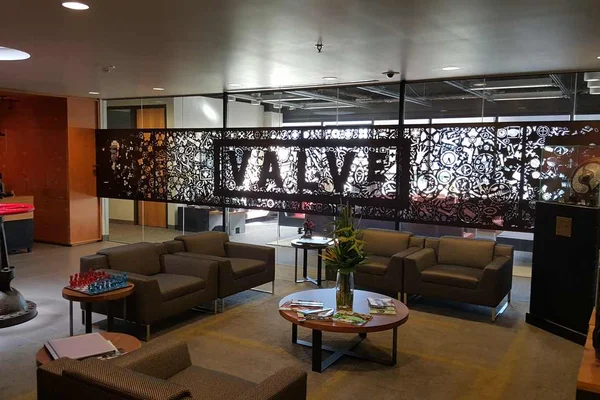
Valve Says Steam Reviews Now Take Up to 12 Business Days as Indie Launch Dates Slip
Valve has confirmed that Steam store and build reviews are running at up to 12 business days, and independent studios are missing planned release dates while their finished games wait in the queue.
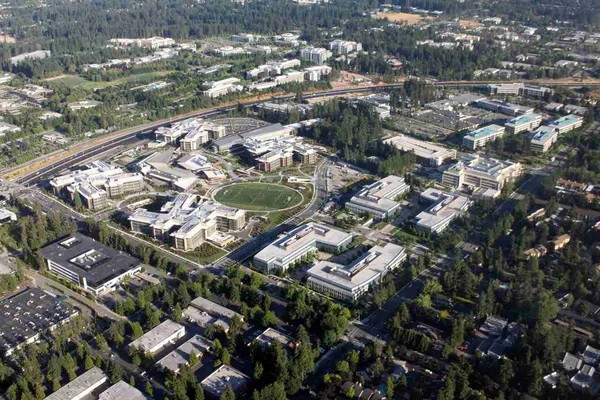
Ubisoft Bids for Microsoft's Arkane Lyon as Xbox Weighs Offers Before December 13 Deadline
Ubisoft and two unidentified gaming companies circle the Dishonored studio while a French consultation and 217 jobs hang on who signs before December 13.
Phantom Blade Zero Sells 4 Million Copies in 72 Hours as Steam Peak Tops 833,921
S-Game's debut premium action game moved more than four million units across Steam, PlayStation 5 and Tencent WeGame in three days, with a Steam concurrent peak that leads all 2026 releases.
Comments (0)
Log in or sign up to leave a comment.
No comments yet. Be the first to share your thoughts.