Solar energy supplied more power to Great Britain's grid in July than in any previous month as households turned to rooftop panels to cut their energy bills, the Guardian reported on August 2. Solar farms and rooftop installations together contributed 14.4% to the electricity mix, beating the previous monthly record by a wide margin.
Why the Surge
Three factors converged. The UK enjoyed an unusually sunny July, with several stretches of near-record insolation. New solar capacity has come online steadily through 2026 - rooftop installations have surged as electricity bills have stayed high, and several large solar farms in the East Midlands and East Anglia reached commercial operation. Finally, the grid has become more flexible at absorbing variable solar generation thanks to battery storage growth.
"Solar energy supplied more power to Great Britain's grid in July than in any previous month as households turned to rooftop panels to cut their energy bills," the Guardian wrote.
What It Means
The 14.4% share is a major milestone. It demonstrates that the UK grid can absorb a much larger share of variable renewables than critics have assumed, and it reinforces the case for continued investment in solar and storage. The economics are compelling: solar-plus-storage is now cheaper than gas peakers in the UK on a levelized-cost basis.
What's Next
The UK government has set a target of 70GW of solar capacity by 2035, up from roughly 20GW today. The pace of installation has accelerated in 2026, but to hit the target, planning and grid-connection queues will need to be cleared. Several large solar farms are in permitting now and could come online in 2027-2028.
Related Articles

ExxonMobil Outlook Projects 30 Billion Tons of CO2 in 2050, Warns of 2.5C to 3C Warming
The oil major's annual Energy Outlook sees global carbon dioxide emissions reaching 30 billion metric tons by 2050, nearly triple the level needed to limit warming to 2C.

Climate Change Primed Nepal's Langtang Lirung for Deadly Collapse, WWA Study Finds
A new analysis by the World Weather Attribution consortium concludes that human-caused warming preconditioned Nepal's Langtang Lirung slope for the August 26 collapse that killed over 1,400 people in Nepal and China.
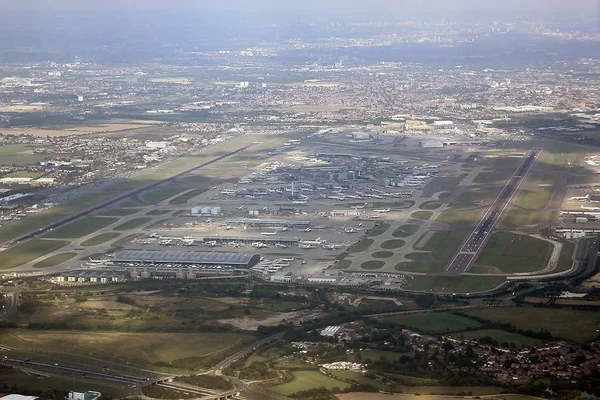
UK climate advisers tell government Heathrow cannot expand unless airlines pay for emissions
Aviation is already 9% of UK emissions and Heathrow produces about half of the sector's total, so the committee has tied any third runway to passenger levies that could reach £400 by 2050.
Comments (0)
Log in or sign up to leave a comment.
No comments yet. Be the first to share your thoughts.