NVIDIA shares rose approximately 6% on August 27 after the company reaffirmed its fiscal-2027 data-center growth forecast of 70% year over year and disclosed that next-generation Rubin GPU samples have entered validation at select hyperscaler labs. The update, delivered at a closed-door investor briefing in Santa Clara, came alongside a separate analyst note warning of memory-margin pressure from HBM4 supply tightness, according to 24/7 Wall St.
What NVIDIA Said
At the briefing, NVIDIA's investor relations team pointed to Blackwell Ultra as the "workhorse" of 2026 training infrastructure, with supply constraints that characterized 2025 now "meaningfully eased." Enterprise customers who had been on multi-month waitlists for GB300 systems earlier in the year are now receiving hardware within weeks of order, the company said. On the next cycle, NVIDIA confirmed that Rubin GPU samples are in select hyperscaler labs, with general availability targeted for Q4 2026.
The growth guidance stands in contrast to memory-margin concerns flagged by several sell-side analysts this month. SK Hynix and Micron have warned that HBM4 capacity is sold out through 2027, and that HBM4e ramp will lag demand by at least two quarters. Some analysts have argued that the memory bottleneck could erode Blackwell and Rubin gross margins by 200 to 400 basis points, a concern that briefly knocked NVIDIA shares lower earlier in August.
Competitive Response
AMD and Intel both ticked up in sympathy trading on August 27. AMD's MI400 platform, which began shipping to hyperscalers in May, is now in volume production at TSMC's Arizona fab, and AMD said its data-center segment grew 75% year over year in its most recent quarter. Intel's Crescent Island GPU, a 480 GB LPDDR5x memory configuration targeting hyperscale inference workloads, was disclosed at Hot Chips 2026 earlier in August and is targeted for limited sampling to hyperscalers in Q4 2026.
OpenAI's in-house inference chip, code-named Jalapeño, was also benchmarked publicly at Hot Chips 2026, with OpenAI claiming 1.5x to 1.9x higher AI compute per watt than NVIDIA's Blackwell and Rubin at a 700W package power versus GB300's 1,400W. NVIDIA has not directly addressed the OpenAI comparison.
Why It Matters
The 70% growth forecast implies NVIDIA's data-center business will generate roughly $180 billion in fiscal 2027 revenue, up from approximately $106 billion in fiscal 2026. With the company's overall revenue base now exceeding $250 billion, that growth rate is unusual for a company of NVIDIA's scale and is driven almost entirely by AI training and inference demand. Investors have been watching for any sign that the AI capex cycle is decelerating, and the reaffirmed guidance is the strongest signal yet that hyperscaler spending remains on its 2025 trajectory.
What to Watch Through Year-End
Three checkpoints follow. NVIDIA's Q3 FY27 earnings, due in November, will show whether Rubin pre-orders are landing at the scale the company is implying. SK Hynix and Micron's HBM4 supply updates, due with their respective Q3 reports, will determine whether memory margin pressure remains an overhang. And any disclosure from AMD on MI400X hyperscaler design wins will be the first real read on whether the Rubin ramp is leaving a window of opportunity for the competition.
Related Articles
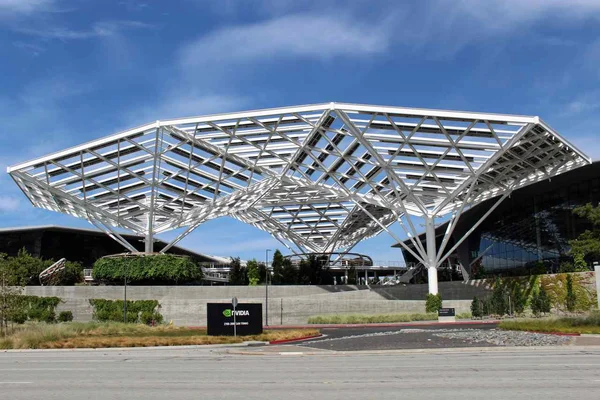
Nvidia reportedly ends RTX 5090 output as GB202 silicon goes to RTX Pro cards
Reports from multiple hardware outlets say Nvidia has stopped sending GB202 chips to its GeForce RTX 5090, a move that would leave the RTX 5080 as the fastest consumer card.
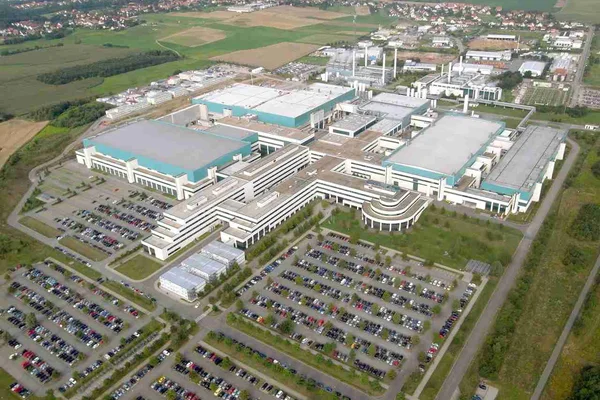
GlobalFoundries signs $2 billion five-year deal with TSMC for first US silicon interposer supply
GlobalFoundries will build silicon interposers for TSMC at its Malta, New York fab under a five-year, $2 billion agreement, with volume production expected in the first half of 2028.

Samsung posts record $80.2 billion quarterly profit as AI memory boom lifts chipmakers
Samsung's preliminary third quarter figures point to a 782.5 percent profit jump and a 55 percent operating margin, with TSMC also booking record revenue on the same AI demand.
Comments (0)
Log in or sign up to leave a comment.
No comments yet. Be the first to share your thoughts.