Hidden moon ice may reveal itself through the way it bends and reflects vibrations from moonquakes, ScienceDaily reported on August 3. The technique could help astronauts locate vital water supplies and uncover clues about the origins of Earth's oceans.
How the Method Works
Seismic waves travel differently through frozen water than through dry rock. By analyzing the way moonquake vibrations bounce, refract, and attenuate as they pass through the lunar interior, scientists can map subsurface ice without drilling. The technique has been used to find glaciers and aquifers on Earth; applying it to the Moon is a natural extension.
"We can hear the difference between ice and rock with the right instruments," the lead author told ScienceDaily.
Why It Matters
Water is the most important resource for any sustained lunar presence. It can be split into hydrogen and oxygen for rocket propellant, used for drinking and growing food, and broken down for life-support oxygen. NASA and several commercial partners have made lunar water a strategic priority, and the Intuitive Machines Altus-1 lunar relay satellite - which received NASA's NavCube3-mini payload on July 13 - is part of the infrastructure to support prospecting missions.
What's Next
The team is collaborating with NASA and ESA to deploy seismometers on future lunar landers. Early targets are the lunar south pole, where ice is suspected to be concentrated in permanently shadowed craters. The work was published in the journal Icarus. If the method holds up in deployment, it could dramatically reduce the cost of locating water on the Moon.
Related Articles
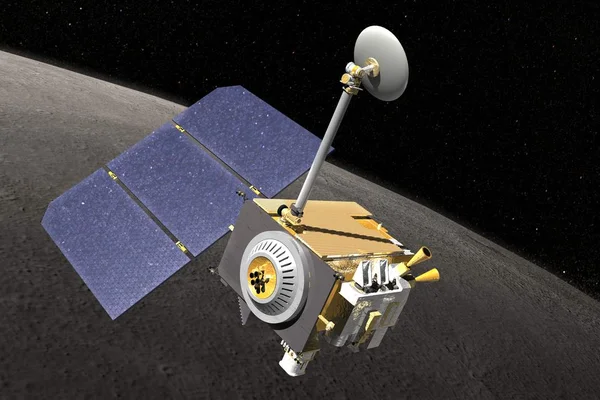
NASA Orbiter Spots McGetchin, the Largest Fresh Impact Crater Ever Found in the Solar System
A routine data-quality check by the Lunar Reconnaissance Orbiter Camera team has revealed a 222 meter crater named McGetchin, the largest fresh impact structure ever identified in the solar system.
CERN's ATLAS Recreates Cosmic Ray Showers With First Proton Oxygen Collisions
ATLAS physicists turned the Large Hadron Collider into a cosmic ray simulator, firing protons at oxygen to test how air showers begin, and found existing models fall short.
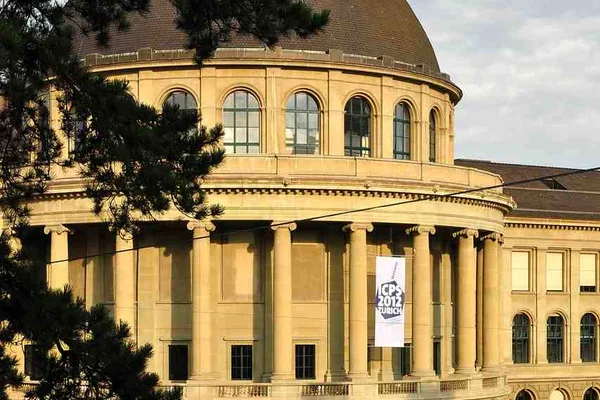
Cold muonium beam sets up first free fall gravity test on second generation antimatter
ETH Zurich and PSI researchers have extracted a cold, tightly focused muonium beam from superfluid helium, a first step toward measuring how second-generation antimatter falls under gravity.
Comments (0)
Log in or sign up to leave a comment.
No comments yet. Be the first to share your thoughts.