A new industry analysis from CSDN breaks down what seven serious humanoid-robot companies are actually building, and which scenarios each one is best positioned to win. The headline: Figure, Tesla Optimus, and Boston Dynamics have pulled ahead of the pack, but the Chinese trio of Unitree, Agibot, and UBTech is closing fast from the supply-side.
Figure: The Factory Specialist
Figure has staked its identity on the BMW Spartanburg deployment and a tightly scoped factory-floor use case. Its Figure 02 platform is the only commercially deployed humanoid operating a third shift, seven days a week, in a paying customer's plant. Its weakness is breadth - the company has been disciplined about resisting consumer-feature creep.
"Figure picked one job and did it better than anyone. That focus is rare, and it is exactly why BMW renewed," noted a factory-automation consultant.
Tesla Optimus: The Volume Play
Tesla Optimus is the only entrant with a credible path to six-figure annual production. Its strengths are vertical integration (custom inverter, custom silicon, in-house actuators) and a manufacturing retool that no competitor can match without equivalent capex. Its open question is reliability outside structured factory work.
Boston Dynamics: The MoCap Champion
Boston Dynamics remains the technical leader in dynamic locomotion - the only humanoid that can recover from a hard push without teleop assistance. Its Hyundai partnership gives it a real-world proving ground, and its Atlas X has now completed end-to-end construction cycles. Its weakness is unit cost: the current Atlas is far above $100,000 per platform.
China's Three-Way Domestic Race
Unitree's G1 has set the price floor for capable humanoids at roughly $16,000. Agibot has deployed the largest domestic fleet in Chinese auto plants. UBTech's Walker S2 now operates in several BYD facilities. Galbot focuses on retail and service. Together they account for an estimated 65% of global humanoid deployment by the end of 2026.
The market that emerges from this seven-way race will likely consolidate to three or four players by 2028 - and the losers will not be the ones with the worst robots, but the ones who run out of capital before their use case scales.
Related Articles
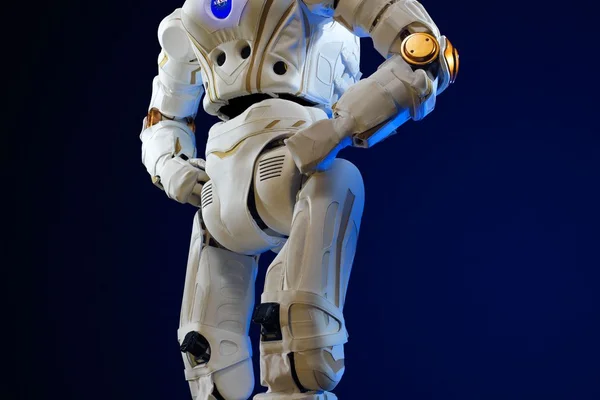
GMO unveils Japan's first robot ambulance to repair humanoid robots on site in Tokyo
GMO Air's new van brings engineers, spare parts and a replacement humanoid to broken robots in Tokyo, aiming to cut downtime for operators.
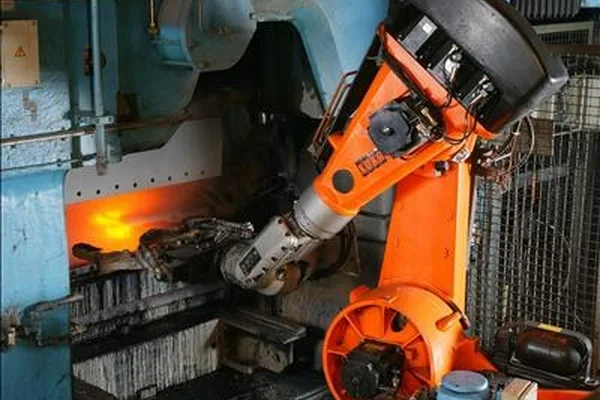
Maven Robotics exits stealth with $100M Series A for general purpose industrial robots
The Santa Clara startup says its wheeled robots already handle mixed palletizing for a Fortune 250 consumer goods customer and has raised $100 million to build 250 more units.

Swarmer to acquire Ukraine's Ratel Robotics for up to $224 million in cash and stock
Swarmer will pay about $7.2 million in cash and 1,064,942 shares at closing for the Ukrainian maker of battlefield ground robots, with the rest tied to earnouts through 2028.
Comments (0)
Log in or sign up to leave a comment.
No comments yet. Be the first to share your thoughts.