A new study published in Nature on August 12 reveals 22 bow shocks in the eastern outskirts of the Helix Nebula, detected in hydrogen-alpha light with the partially completed MOTHRA telescope in Chile — the first direct view of the moment when material expelled from dying stars mixes with interstellar gas.
A Test Night That Paid Off
Yale astronomers Pieter van Dokkum and Roberto Abraham were testing MOTHRA — the Modular Optical Telephoto Hyperspectral Robotic Array, which will eventually incorporate 1,140 telephoto lenses but was running with only a fraction installed — on November 2025 night skies when they chose the iconic Helix Nebula, roughly 200 light-years away, as their target. The images show clumps of stellar ejecta carving bright arcs as they plow through surrounding gas and dust, meaning stellar debris travels not as a smooth outflow but as shrapnel, the researchers estimate it lingers about 10,000 years before fully dispersing.
Stardust to New Generations
Most of the elements that make life possible — carbon, oxygen and nitrogen — are forged inside stars and released when they die, eventually contributing to new stars, planets and living things. The new observations, which also used data from Hubble and the Kitt Peak 4-meter telescope, show that process in action for the first time. MOTHRA's wider field of view allowed astronomers to study the less-explored outskirts of the Helix that harbor the bow shocks — a rare early payoff for an instrument still under construction.
Related Articles

Animals may have evolved 200 million years earlier than fossils suggest, Oxford led study says
A University of Oxford led team argues in Science Advances that animals originated 800 to 700 million years ago by testing microfossils from Mongolia and recalibrating molecular clocks.
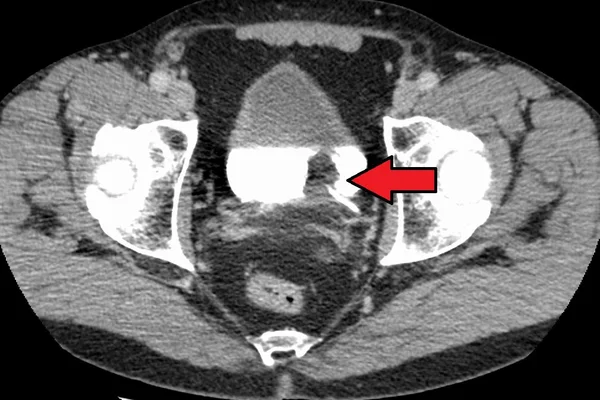
Stanford urine RNA test detects 95 percent of localized bladder cancers and predicts BCG response
A new urine cell-free RNA liquid biopsy called uRARE-seq identified 95 percent of localized bladder cancers in a 683-sample study and predicted which patients would benefit from BCG immunotherapy.
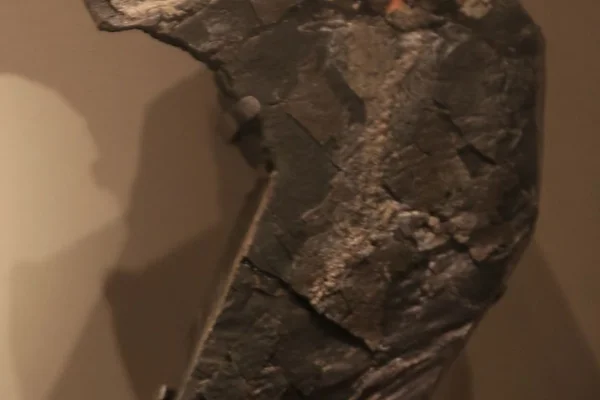
Fossil Called World's Oldest Reptile Is Reclassified as Aquatic Amphibian
Synchrotron X-ray scans of the 345 million year old Westlothiana lizziae fossil reveal internal gills and a fish-like mouth, forcing a reclassification as an aquatic stem tetrapod, not the earliest reptile.
Comments (0)
Log in or sign up to leave a comment.
No comments yet. Be the first to share your thoughts.