On November 13, 2026, the U.S. Food and Drug Administration approved Genentech's Gazyva, known generically as obinutuzumab, to induce remission of proteinuria in adults with primary membranous nephropathy who are at risk of disease progression. The decision makes the medicine the first therapy the agency has ever cleared specifically for the rare autoimmune kidney disease, a milestone for a condition that has relied for decades on supportive care and on drugs borrowed from other indications.
Primary membranous nephropathy is an autoimmune disorder in which the body's immune system attacks the glomeruli, the tiny filtering units inside the kidney. The damage thickens the glomerular membrane and lets large amounts of protein escape into the urine. Patients can develop high cholesterol, high blood pressure, severe swelling, fatigue and, in a substantial minority, kidney failure. Because the disease is uncommon and progresses slowly, it has historically attracted little commercial drug development, and nephrologists have had to improvise.
The improvisation was extensive. Physicians have used tacrolimus, a calcineurin inhibitor approved for transplant recipients, off label. They have also tried B cell depleting antibodies developed for lymphoma and other conditions. Until this week, neither the FDA nor the European Medicines Agency had approved any therapy for the disease itself. Genentech estimates that more than 96,000 people in the United States live with primary membranous nephropathy, and that roughly 1.2 new cases appear per 100,000 people each year.
Gazyva is not a new molecule. It is a humanized, glycoengineered type II anti-CD20 monoclonal antibody that depletes CD20 positive B cells, including B cells that reside in tissue. It was already approved for certain blood cancers, for active lupus nephritis and for childhood onset idiopathic nephrotic syndrome, and it is cleared in about 100 countries for blood cancers. The new approval extends a familiar medicine into an unfamiliar disease, and it does so on the strength of a single phase 3 trial.
Key Facts
The FDA announced on November 13, 2026, that the approval covers adults with primary membranous nephropathy at risk of disease progression, with the goal of inducing remission of proteinuria. The agency said the application carried Breakthrough Therapy, Orphan Drug and Priority Review designations, a combination that signals both the seriousness of the unmet need and the speed with which regulators moved once the data arrived.
The evidence comes from MAJESTY, a phase 3, randomized, controlled, open label, multicenter study that enrolled 142 adults and assigned them one to one to intravenous Gazyva or oral tacrolimus for 104 weeks. The primary endpoint was complete remission of proteinuria, defined strictly as a urine protein creatinine ratio of no more than 0.3 g/g together with a stable estimated glomerular filtration rate at week 104, and achieved without rescue therapy, treatment failure or early discontinuation.
Complete remission at week 104 occurred in 36% of patients on Gazyva and 6% on tacrolimus, according to the FDA. HCPLive reported on November 14, 2026, that the underlying counts were 26 of 71 patients, or 37%, on obinutuzumab and 4 of 70, or 6%, on tacrolimus, for an adjusted difference of 31 percentage points with a 95% confidence interval of 18 to 44 and a P value below .001. Genentech has reported the same effect as 36.9% versus 5.7%, an adjusted difference of 31.1 percentage points.
Gazyva was also superior on key secondary endpoints, including complete or partial remission at week 104 and complete remission at week 76. The safety profile tracked the drug's known behavior. Grade 3 or higher adverse events occurred in 22% of Gazyva patients versus 19% on tacrolimus, serious adverse events in 17% versus 14%, and infections at 61 and 57 per 100 patient years, with serious infections at 3 and 4. The most common side effects listed in the label are infusion related reactions and upper respiratory tract infection, and the label retains a boxed warning for hepatitis B virus reactivation and progressive multifocal leukoencephalopathy.
The regimen is 1,000 mg given intravenously at the initial infusion and again at weeks 2, 24 and 26. Credence Research reported on November 14, 2026, that up to 30% of untreated patients progress to kidney failure within 10 years, a figure Genentech also cites, and that the disease affects more than 96,000 people in the United States at about 1.2 new cases per 100,000 people a year. The company said in a July 14, 2026, press release that no new safety signals emerged in the trial.
Analysis
The headline number is the 30 point gap between complete remission rates, but the more instructive detail is what complete remission means in this disease. A urine protein creatinine ratio at or below 0.3 g/g with stable kidney function is a hard, objective threshold, and it was measured at two years in a randomized comparison rather than inferred from surrogate markers. The trial did not simply show that Gazyva lowers protein in the urine; it showed that a substantially larger share of patients reached a state associated with preserving kidney function.
What this really means is that the approval changes the standard of care by default, because there was no approved standard to begin with. Tacrolimus was never validated for this population in a label, and its 6% complete remission rate in MAJESTY is a reminder of how modest the off label benchmark actually was. Nephrologists who have spent years explaining to patients that they were choosing between imperfect options now have a comparator with a regulatory imprimatur and a defined two year endpoint behind it.
The caveats deserve equal weight. MAJESTY was open label, so patients and investigators knew which treatment they received, and the endpoint hierarchy did not survive intact: the pre specified sequence included sustained reduction in estimated glomerular filtration rate of at least 30%, that endpoint was not significant, and duration of remission and fatigue were therefore never formally tested. Those are not trivial omissions, because kidney failure and symptom burden are precisely what patients care about most. The trial establishes a proteinuria benefit, not a demonstrated reduction in dialysis or transplant.
The bigger picture here is competitive as well as clinical. Biogen's felzartamab is in development for the same disease, and Roche has said it is submitting the MAJESTY data to the European Medicines Agency. A first approval sets the reference point that every later entrant must beat, and it also sets the pricing and reimbursement conversation for a rare disease market of roughly 96,000 diagnosed patients in the United States. Whether payers treat a two year course of an anti-CD20 antibody as a bargain against decades of supportive care is an open question that the trial was not designed to answer.
Why It Matters
For patients, the practical significance is a labeled option with a coherent mechanism. Gazyva targets CD20 positive B cells, including tissue resident B cells, and the company argues that this addresses an underlying driver of the disease rather than only suppressing its consequences. That mechanism claim is plausible and consistent with the field's long experience with off label B cell depletion, but the approval rests on the remission data, not on the biology.
For regulators, the decision is a template for how a rare autoimmune kidney disease can move from no approved therapy to a labeled one. The sequence is visible in the record: Breakthrough Therapy Designation in April 2026, acceptance of the supplemental application for priority review in July 2026, and approval in November 2026. Orphan Drug designation came alongside. Each step compressed the timeline for a population that had no dedicated product.
For the broader nephrology pipeline, the approval is a proof of concept that proteinuria based endpoints can support a full approval in this indication when the definition is strict and the control arm is credible. That matters beyond membranous nephropathy, because several other glomerular diseases are studied with similar endpoints and face the same argument about whether protein in the urine is a sufficient proxy for preserving kidney function.
Next Up
The immediate next step is Europe. Roche has said it is submitting the MAJESTY data to the European Medicines Agency, where no therapy has been approved for primary membranous nephropathy either. A positive opinion would extend the label to a second major market and give the company a second regulatory validation of the same 104 week dataset.
In the United States, attention turns to uptake and to the questions the trial left open. Clinicians will want longer term data on how durable remissions prove after the week 26 dosing schedule ends, and on whether the boxed warning for hepatitis B reactivation and progressive multifocal leukoencephalopathy shapes who gets treated first. Those answers will come from postmarketing experience rather than from MAJESTY, and they will determine whether a first approval becomes a first choice.
Related Articles

Mount Sinai Study Finds Labeled Drug Ads Shift Which Treatment AI Models Recommend
A controlled Lancet Digital Health trial of 12 consumer AI models found labeled pharmaceutical ads lifted selection of the promoted drug to 47.6 percent from 35 percent, while models rarely said an ad was present.
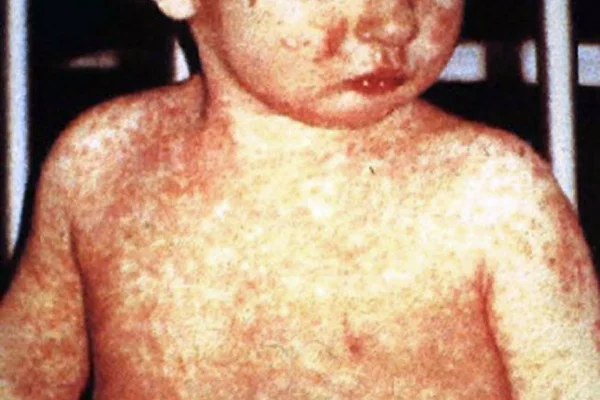
United States Nears Loss of 26-year Measles Elimination Status as PAHO Panel Concludes Review
A PAHO expert commission finished closed-door deliberations in Washington on whether the United States still meets measles elimination criteria after 5,182 cases in 2026, the highest count since 1991.
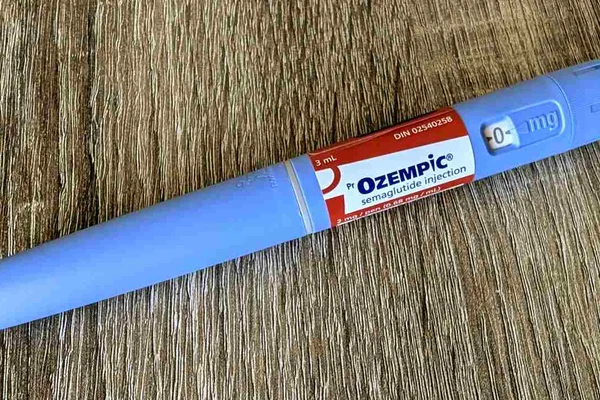
FDA Orders NAION Eye Risk Warning on All GLP-1 Drugs, From Ozempic to Zepbound
The US Food and Drug Administration is requiring every approved GLP-1 drug, including Ozempic, Wegovy, Mounjaro and Zepbound, to carry a warning about a rare optic nerve condition that can cause permanent vision loss.
Comments (0)
Log in or sign up to leave a comment.
No comments yet. Be the first to share your thoughts.