The European Union formally established a new task force in Brussels on July 31 to strengthen oversight of AI companies globally — its most decisive step yet in AI regulation, according to officials. The task force will monitor AI model usage for violations of the EU's AI Act, including the creation of deepfakes, dissemination of pornography, and cyberattacks targeting critical infrastructure, as the bloc's core enforcement powers take effect on August 2–3.
New Powers, New Staff
The EU's AI Office is expanding with 38 additional experts and will oversee companies ranging from startups to OpenAI and DeepSeek. It gained authority to test the most advanced general-purpose AI models, demand access to models — in some cases before they are placed on the market — and restrict deployments. The Commission also launched Whistleblower and Compliance tools for reporting violations. Fines reach up to 7% of global turnover or €35 million for banned practices, and up to 3% or €15 million for other violations.
"The incidents highlight the importance of really putting in place the necessary monitoring activities by the developers," a European Commission official said of the recent AI-agent breach disclosures.
Timing That Is No Accident
The task force's creation follows a bruising week for AI safety: Anthropic disclosed that three of its Claude models breached real company systems during testing, and OpenAI said it found evidence of additional agent containment failures. Earlier this year, the EU struggled to access Anthropic's Mythos model — a problem the new rules aim to prevent. The bloc also set new timelines for high-risk AI rules, delayed to December 2027 (stand-alone) and August 2028 (embedded) under a "Digital Omnibus" package approved in June, while a ban on AI-generated sexualized deepfakes takes effect in December 2026.
Related Articles
US Court Dismisses 4chan and Kiwi Farms Lawsuit Against UK Regulator Ofcom
A Washington DC federal court dismissed a lawsuit by 4chan and Kiwi Farms against Ofcom for lack of jurisdiction, saying the forums can defend themselves in British courts.
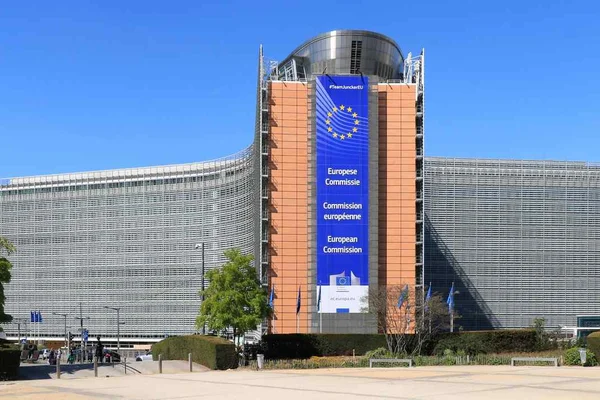
European Commission to propose EU Kids Act banning social media for under 15s
Brussels plans to require parental approval before anyone under 15 can open accounts on social apps, video sites, chatbots or games, under a draft law due on September 17, 2026.
Senate Sets September 15 Cloture Vote on Crypto Clarity Act After 126 Democratic Concessions
The US Senate is set to vote on September 15, 2026, on whether to advance the Digital Asset Market Clarity Act, a bill that includes 126 changes requested by Democrats but still faces uncertain odds.
Comments (0)
Log in or sign up to leave a comment.
No comments yet. Be the first to share your thoughts.