Scientists have identified a molecular switch that may help explain why aging makes the brain more vulnerable to diseases such as ALS and Huntington's, ScienceDaily reported on August 3. In worms, the protein EPS8 builds up with age and triggers signaling that encourages toxic proteins to clump together, damaging neurons and shortening lifespan.
The Discovery
The team showed that EPS8 accumulates in aging neurons and activates downstream signaling that disrupts the cellular machinery responsible for clearing misfolded proteins. When EPS8 was experimentally reduced, worms lived longer and showed fewer protein aggregates in their neurons. The work builds on a decade of research into why aging brains become more vulnerable to neurodegenerative disease.
"EPS8 is the molecular switch we did not know we were looking for," the lead author told ScienceDaily.
Why It Matters
Most neurodegenerative disease research has focused on the toxic proteins themselves - amyloid, tau, huntingtin, SOD1. The EPS8 work points upstream, to the regulatory machinery that decides whether those proteins are properly cleared. That regulatory machinery may be a more druggable target than the toxic proteins themselves, which have resisted decades of effort.
What's Next
The team is now testing whether EPS8 plays a similar role in mouse models of neurodegeneration. If so, drug-discovery efforts will focus on small molecules that reduce EPS8 levels or block its downstream signaling. The work was published in the journal Cell Reports. Several academic labs are already requesting the worm model to extend the findings.
Related Articles
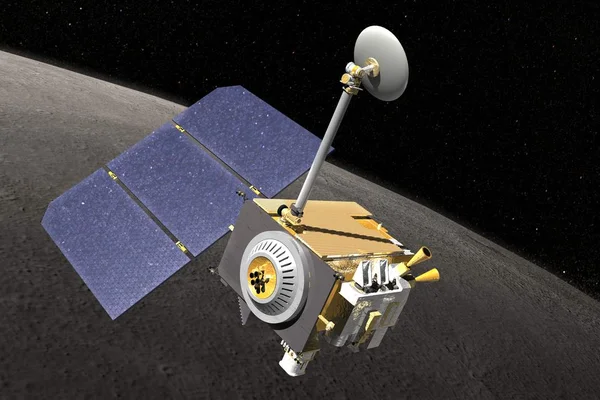
NASA Orbiter Spots McGetchin, the Largest Fresh Impact Crater Ever Found in the Solar System
A routine data-quality check by the Lunar Reconnaissance Orbiter Camera team has revealed a 222 meter crater named McGetchin, the largest fresh impact structure ever identified in the solar system.
CERN's ATLAS Recreates Cosmic Ray Showers With First Proton Oxygen Collisions
ATLAS physicists turned the Large Hadron Collider into a cosmic ray simulator, firing protons at oxygen to test how air showers begin, and found existing models fall short.

Cold muonium beam sets up first free fall gravity test on second generation antimatter
ETH Zurich and PSI researchers have extracted a cold, tightly focused muonium beam from superfluid helium, a first step toward measuring how second-generation antimatter falls under gravity.
Comments (0)
Log in or sign up to leave a comment.
No comments yet. Be the first to share your thoughts.