Western Europe experienced its hottest June-July on record as climate change fuels an historic summer of heat, drought and wildfires across the region, the EU's global warming monitor said Monday. Europe is warming faster than any other continent, and heat has now killed more than 25,000 people across the continent this year, according to data compiled by Bloomberg.
Records Keep Falling
The milestone lands as global temperature records continue to be set. August 8 saw a global surface temperature of 17.04°C, a new daily record and the latest date in the year ever recorded above 17.0°C, according to analysis from climate scientist Eliot Jacobson cited by the Climate and Economy newsletter. 2026 has now logged 12 days above 17.0°C — second only to 2024's 18.
In the US, Maryland's Department of Health said 2026 was its deadliest heat season on record, with 50 heat-related fatalities, TIME reported Tuesday, while California's grid saw 4.5 million MWh of solar and wind power curtailed in the first half of the year as new clean generation outpaces grid capacity, according to Reuters data cited in an Allen Matkins review.
An Invisible Emergency
The European toll is concentrated among the elderly and outdoor workers, and public health officials warn the true figure is likely undercounted, as excess-mortality estimates from past heatwaves have run far higher than directly attributed deaths. CNN reported that cities across Italy, Spain and Greece have opened cooling centers and restricted outdoor work during the latest surge, with Rome's Colosseum plaza outfitted with misting fans on August 6.
Climate scientists attribute the event to the combination of record greenhouse gas concentrations and a persistent blocking pattern over the North Atlantic — a setup, they note, that is becoming more common as the planet warms.
Related Articles
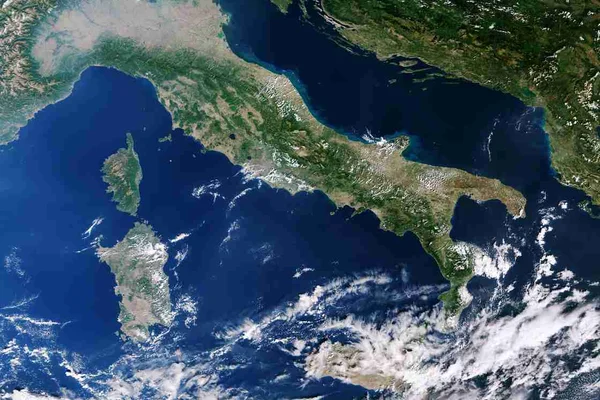
Copernicus report finds summer 2026 was Europe's hottest on record with 52 percent heat stress
The EU climate monitor said 52 percent of the continent faced feels-like temperatures above 38 degrees Celsius, Western Europe's hottest summer on record and the third warmest for Europe overall.
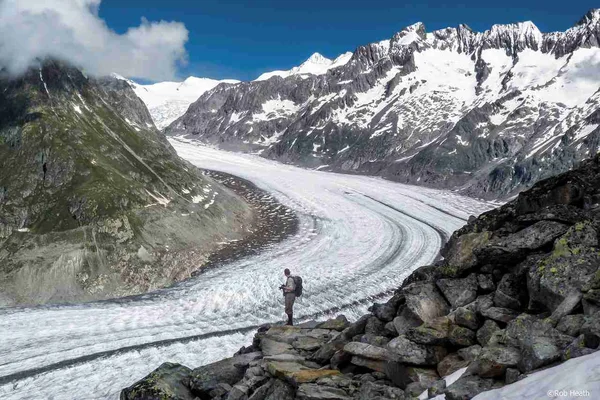
Swiss glaciers lose 5.5 percent of their ice in 2026 as five year melt nears one fifth
Switzerland's glaciers have now lost 19.4 percent of their volume in five years, and glaciologists warn that the ice is collapsing from the inside as melt rates explode.
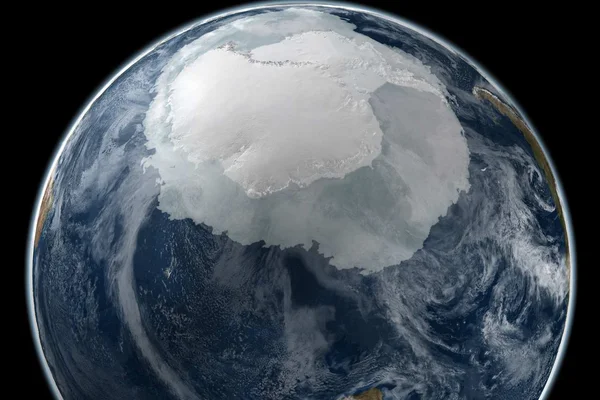
Antarctic winter sea ice hits third lowest maximum on record as four worst years cluster since 2022
Provisional satellite data show the Southern Ocean's winter ice cover peaked on 14 September at 17.59 million square kilometers, the third smallest in a record that begins in 1979.
Comments (0)
Log in or sign up to leave a comment.
No comments yet. Be the first to share your thoughts.