The heat waves roiling Western Europe this summer toppled an average temperature record for the June-July period set in 2022, according to the European climate agency Copernicus, the Associated Press reported on August 10. The extreme heat began in May and has contributed to major wildfires, prolonged drought and new national temperature records across the region, as well as thousands of projected heat-related deaths.
The Numbers
Western Europe's average temperature for the June-July period hit 21.62 degrees Celsius (70.92 degrees Fahrenheit). Last month saw the highest average sea surface temperature ever recorded for July across the extra-polar oceans — the oceans free of seasonal sea ice — at 20.96 degrees Celsius (69.73 degrees Fahrenheit), beating the 2023 record of 20.89 degrees Celsius. July's global average surface air temperature of 16.90 degrees Celsius (62.42 degrees Fahrenheit) made it the joint second warmest July on record, tied with July 2024.
Warming Plus El Nino
Globally, 2026 is so far the third-hottest year, behind 2024 and 2025, climate statistics show. Thanks to the combination of accelerated human-caused global warming and a supersized El Nino, scientists say there is an increasing chance that by the end of the year 2026 could become the hottest year on record, beating out 2024 — or at least come close.
Heat and Drought Reinforce Each Other
Persistent high-pressure systems trapped heat over western Europe, and the extreme temperatures also amplified widespread drought, said Samantha Burgess, strategic lead for climate at the European Centre for Medium-Range Weather Forecasts. As soils dry out, they lose their ability to provide natural cooling, allowing heat to build more readily. This is a clear example of how climate change is intensifying heat extremes, with heat and drought increasingly reinforcing one another.
Related Articles
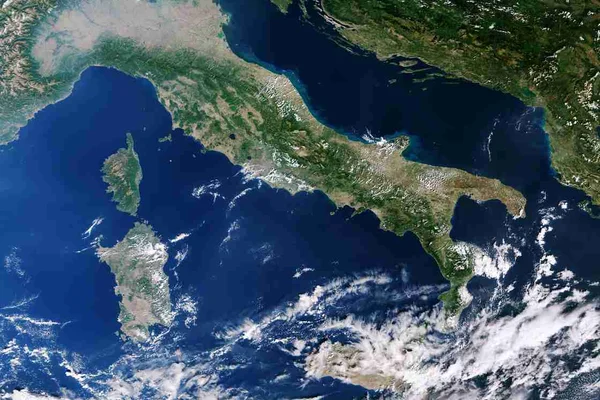
Copernicus report finds summer 2026 was Europe's hottest on record with 52 percent heat stress
The EU climate monitor said 52 percent of the continent faced feels-like temperatures above 38 degrees Celsius, Western Europe's hottest summer on record and the third warmest for Europe overall.
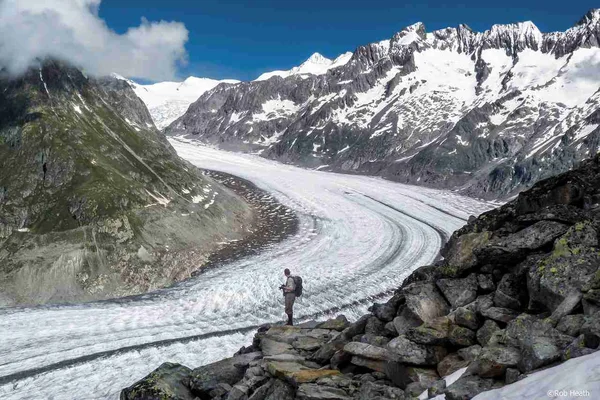
Swiss glaciers lose 5.5 percent of their ice in 2026 as five year melt nears one fifth
Switzerland's glaciers have now lost 19.4 percent of their volume in five years, and glaciologists warn that the ice is collapsing from the inside as melt rates explode.
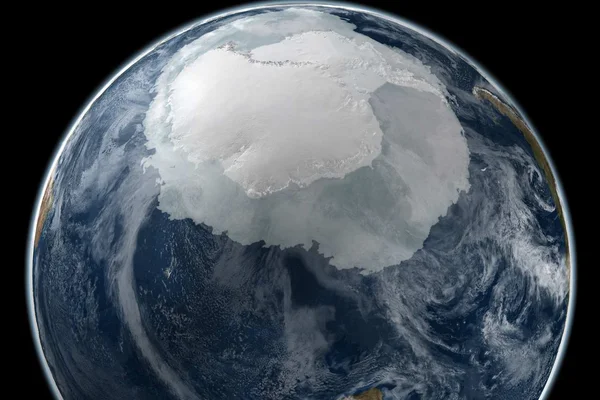
Antarctic winter sea ice hits third lowest maximum on record as four worst years cluster since 2022
Provisional satellite data show the Southern Ocean's winter ice cover peaked on 14 September at 17.59 million square kilometers, the third smallest in a record that begins in 1979.
Comments (0)
Log in or sign up to leave a comment.
No comments yet. Be the first to share your thoughts.