The phrase "iPhone moment" gets thrown around loosely in robotics. By the stricter definition - the moment a category crosses from research curiosity to mass-market product - humanoid robots are not there yet. They are, however, closer than they have ever been.
Tesla Optimus entered serial production at Fremont in Q2 2026, with internal targets of 50,000-100,000 units for the year. Figure has been operating a commercial humanoid fleet at BMW Spartanburg since early 2026. Boston Dynamics has Atlas X running on Hyundai construction sites. Morgan Stanley's latest forecast puts the global humanoid market at $5 trillion by 2050.
Why Now Is Different
Three forces have converged in the last 24 months. First, foundation models - notably NVIDIA Isaac GR00T - have replaced years of in-house manipulation data collection with a pretrained backbone. Second, China's supply chain has driven the cost of harmonic reducers, planetary roller screws, and force-torque sensors down by roughly half since 2023. Third, factory-deployed units are finally generating the structured real-world data that home pilots could not.
"The 2024 cohort could walk and gesture. The 2026 cohort can actually do useful work in unstructured environments. That gap matters more than it sounds," said a CTO at a Tier 1 automotive integrator.
But three bottlenecks still define whether 2027 is a real inflection or another false dawn. The full analysis is below.
Continue reading with a VIP subscription
Subscribe to TechQuire VIP to unlock the full story and exclusive member benefits.
- Full articles and exclusive analysis
- Daily tech briefings
- Frontier investment insights
- Ad-free reading experience
Already a member? Log in
Related Articles
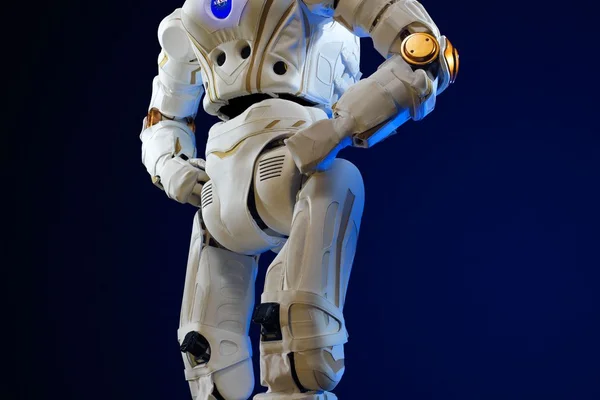
GMO unveils Japan's first robot ambulance to repair humanoid robots on site in Tokyo
GMO Air's new van brings engineers, spare parts and a replacement humanoid to broken robots in Tokyo, aiming to cut downtime for operators.
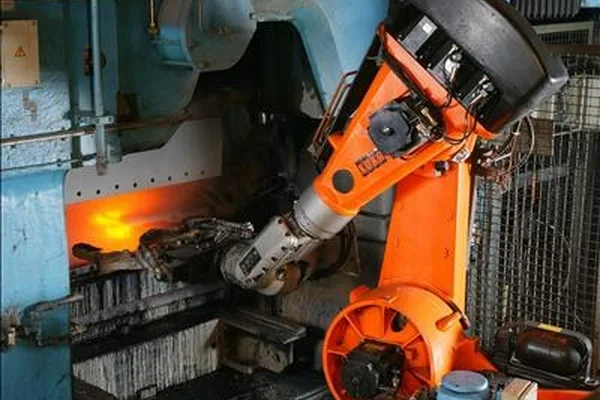
Maven Robotics exits stealth with $100M Series A for general purpose industrial robots
The Santa Clara startup says its wheeled robots already handle mixed palletizing for a Fortune 250 consumer goods customer and has raised $100 million to build 250 more units.

Swarmer to acquire Ukraine's Ratel Robotics for up to $224 million in cash and stock
Swarmer will pay about $7.2 million in cash and 1,064,942 shares at closing for the Ukrainian maker of battlefield ground robots, with the rest tied to earnouts through 2028.
Comments (0)
Log in or sign up to leave a comment.
No comments yet. Be the first to share your thoughts.