One year after the EU AI Act came into force, the world's most comprehensive AI regulation is no longer a theoretical exercise. It is reshaping product roadmaps, hiring decisions, and capital allocation across the European tech industry. The early results are mixed: the law has accelerated compliance investment and pushed risky applications off the market, but it has also created loopholes that sophisticated actors are already exploiting.
What Was Supposed to Happen
The AI Act was designed around a risk-tier framework. Unacceptable-risk systems — social scoring, subliminal manipulation, real-time biometric surveillance in public spaces — were banned outright. High-risk systems — AI in healthcare, finance, education, criminal justice, employment — required documentation, testing, human oversight, and conformity assessments. Limited-risk systems needed disclosure. Minimal-risk systems faced few obligations.
The enforcement machinery was supposed to ramp up in parallel, with national authorities in all 27 member states hiring AI specialists, setting up oversight bodies, and standing up conformity-assessment infrastructure.
Continue reading with a VIP subscription
Subscribe to TechQuire VIP to unlock the full story and exclusive member benefits.
- Full articles and exclusive analysis
- Daily tech briefings
- Frontier investment insights
- Ad-free reading experience
Already a member? Log in
Related Articles

EU Cyber Resilience Act Reporting Rules Go Live With 24 Hour Flaw Disclosure Deadline
Manufacturers selling connected products in the EU must now alert ENISA and a national CSIRT within 24 hours of learning that a vulnerability is being actively exploited.

South Korea PIPA Amendment Takes Effect With 10 Percent Global Revenue Fine Ceiling
The revised law caps aggravated penalties at 10 percent of worldwide revenue, outranks GDPR limits, and writes the first national rules for training AI models on personal data.
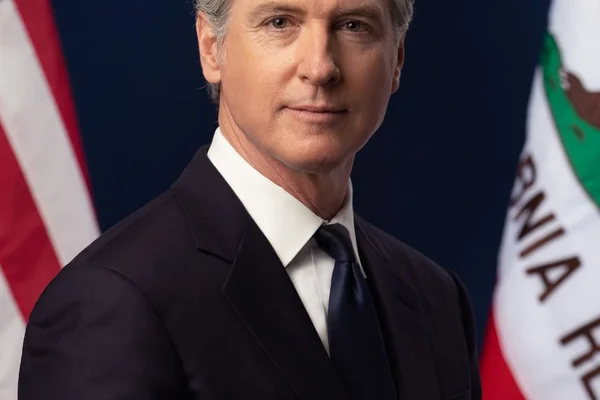
Newsom signs SB 813 and AB 1405 as California becomes first state to require AI audits
California will build a public registry of AI auditors by 2029 and let independent verification organizations assess models under two bills endorsed by OpenAI and Anthropic.
Comments (0)
Log in or sign up to leave a comment.
No comments yet. Be the first to share your thoughts.