UK foreign secretary Ed Miliband used the United Nations General Assembly in New York to place climate change and nature loss at the centre of national security planning, announcing a £331 million funding package and sharing the findings of a suppressed intelligence report. The announcement, made on September 23 and published by the government on September 24, 2026, combines new money for the Global Environment Facility and the UN Climate Security Mechanism with a stark warning that ecosystem collapse could drive conflict, migration and food shortages. The package is worth about $438.24 million at the Reuters conversion rate on September 23, 2026.
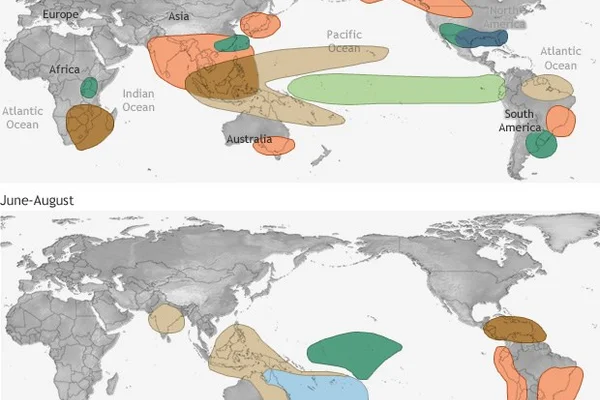
The announcement follows months of record heat and extreme weather. According to an outcome statement co-hosted by the UK, the European Commission and Kenya, recent months brought record July sea surface temperatures, the warmest July on record for North America, Africa and Asia, and sustained heatwaves in Europe. An El Nino is expected to worsen existing vulnerabilities, including health, food and water security. Miliband said: 'We face an El Nino that is already set to be the most intense in living memory. This will intensify climate shocks that compound and cascade across borders, threatening food and water security, displacing communities, putting pressure on markets and scarring economies.'
The UK government framed the funding as a response to climate-driven instability that can reach British shores through global supply chains, financial markets and migration, potentially increasing pressure on food prices and businesses. The money is official development assistance and is intended to benefit millions of people around the world while protecting critical ecosystems such as forests in the Amazon and Congo Basin.
At the heart of the diplomatic push is a Joint Intelligence Committee report that was scheduled for publication last October but was suppressed on the eve of its launch by Downing Street under then prime minister Keir Starmer. A redacted version was issued in January under the Freedom of Information Act, but ministers have continued to resist calls for the full report to be made public. The meeting where Miliband presented the findings had the backing of UK prime minister Andy Burnham.
Key Facts
The £331 million package consists of £330 million for the Global Environment Facility (GEF) over its four-year 'GEF9' period from 2026 to 2030, plus £1 million for the UN Climate Security Mechanism. GOV.UK reported on September 24 that the GEF is the world's leading multilateral fund for protecting nature and tackling environmental threats. The UK funding will support sustainable agriculture and fishing, helping ensure some of the world's most vulnerable people have secure access to food and clean water. It will also reduce environmental degradation, including desertification and deforestation, and strengthen resilience to droughts and flooding.
The Guardian reported on September 23 that Miliband made a presentation to foreign ministers of the EU, Kenya and other countries at a private meeting during the UN General Assembly. The meeting was co-hosted by the UK, the European Commission and Kenya. The Guardian also reported that Miliband will appoint a new special representative for climate security, plus a new ministerial taskforce on the national security and resilience risks of a changing climate and nature loss, with military and security experts as well as climate scientists. Retired general Richard Nugee said, as reported by The Guardian on September 23, that if a bridge is washed away, it has the same impact whether it is done by a foreign power or the climate, and that countries should absolutely be treating this as a national security issue.
Environment Journal reported on September 24 that the vast majority of the funding will go to the GEF, with a further £1 million for the UN Climate Security Mechanism. That mechanism helps countries identify and respond to climate-related risks before they escalate into conflict and humanitarian crises. The funding package builds momentum ahead of COP31.
The co-hosted outcome statement, published on September 24 by the Foreign, Commonwealth & Development Office, declares the climate and nature crisis a national and global security threat. It warns there is a realistic possibility that some ecosystems will start to collapse from 2030, with cascading and compounding risks likely to include geopolitical instability, economic insecurity, conflict and displacement, migration and increased resource competition.
The statement commits the signatories to analysis and horizon scanning on climate and nature-related risks within national and regional security systems, joint risk assessments, scenario and contingency planning, accelerating action on fertilisers, food and water security, expanding early warning systems, anticipatory action and pre-arranged finance, making multilateral development banks' crisis-response toolkits fit for purpose, and promoting IMF and World Bank work on climate-related vulnerabilities in debt sustainability assessments. They look forward to reconvening at COP31, the World Bank and IMF annual meetings, and through 2027.
Analysis
What this really means is that the UK is trying to move climate policy out of the environment ministry and into the heart of defence and foreign policy planning. By presenting a Joint Intelligence Committee report and standing alongside the European Commission and Kenya, Miliband is signalling that the climate and nature crisis is no longer a niche concern but a core national security threat. The timing is deliberate: the UN General Assembly provides a global stage, and the funding pledge to the GEF gives the UK credibility as it urges other countries to follow suit.
The choice of the GEF as the main recipient is significant. The GEF is a multilateral fund with a track record of financing biodiversity, climate adaptation and sustainable land management. By committing £330 million over four years, the UK is providing predictable funding that helps vulnerable countries plan long-term projects. The £1 million for the UN Climate Security Mechanism is small in absolute terms but symbolically important: it supports the kind of early warning and risk analysis that can prevent local environmental stress from becoming violent conflict.
The suppressed JIC report adds a political edge. The Guardian reported on September 23 that the report was suppressed on the eve of its launch by Downing Street under Keir Starmer, and that a redacted version was issued in January under the Freedom of Information Act. Green MP Adrian Ramsay criticised the continued withholding of the full report. Miliband's decision to share the findings with foreign ministers effectively bypasses that suppression, though it does not make the full document public. The meeting had the backing of UK prime minister Andy Burnham, suggesting a shift in the UK's political stance on transparency.
The announcement also reflects a broader shift in how governments think about security. Retired general Richard Nugee's comment that a washed-away bridge has the same impact whether it is caused by a foreign power or the climate helps explain why the UK is creating a ministerial taskforce with military and security experts alongside climate scientists. It also explains why the outcome statement calls for joint risk assessments and scenario planning, tools usually reserved for military threats. The bigger picture here is that climate adaptation and nature protection are being reframed as defence spending by another name.
Why It Matters
For the UK, the package matters because climate-related shocks can affect the country through global supply chains, financial markets and migration, potentially increasing pressure on food prices and businesses. The government has explicitly linked environmental instability abroad to domestic economic and social resilience. By investing in sustainable agriculture and fishing in vulnerable regions, the UK hopes to reduce the risk of food shortages that could trigger migration and conflict.
Globally, the outcome statement's warning that some ecosystems could start to collapse from 2030 is a stark reminder that the window for action is narrowing. The statement lists geopolitical instability, economic insecurity, conflict and displacement, migration and increased resource competition as likely cascading risks. The record July sea surface temperatures and heatwaves in Europe, North America, Africa and Asia show that these risks are not theoretical. The El Nino that Miliband described as potentially the most intense in living memory adds urgency.
The funding also matters for multilateralism. The GEF is one of the few global funds that channels money to both climate and nature goals. By pledging £330 million for GEF9, the UK is helping to replenish a key institution at a time when many countries are turning inward. The £1 million for the UN Climate Security Mechanism supports a small but critical UN office that helps countries anticipate climate-related risks. Together, these commitments aim to build momentum ahead of COP31.
Next Up
The UK will appoint a new special representative for climate security and establish a ministerial taskforce on the national security and resilience risks of a changing climate and nature loss. The taskforce will include military and security experts as well as climate scientists. The UK, the European Commission and Kenya have committed to reconvening at COP31, the World Bank and IMF annual meetings, and through 2027 to continue joint risk assessments, scenario planning and efforts to expand early warning systems and pre-arranged finance.
Pressure is also likely to continue over the full publication of the Joint Intelligence Committee report. Ministers have resisted calls to make it public, and Green MP Adrian Ramsay has criticised the continued withholding. How the UK balances transparency with security concerns will shape the credibility of its new climate security agenda in the months ahead.
Related Articles
Super El Niño Could Cause 451,000 Heat Deaths by February 2027, Report Warns
A University of Chicago Climate Impact Lab report estimates the 2026 Super El Niño could cause 451,000 additional heat deaths by February 2027, with most occurring in the Global South.

Stanford AI Study Ties Post Paris Emissions to a Third of a Degree of Extra Heat in Europe
A diffusion model trained on ten climate simulations finds that the emissions of the decade after the Paris Agreement raised temperatures during Europe's deadliest recent heat waves.
Planetary Health Check 2026 finds seven of nine Earth boundaries breached
Scientists at the Potsdam Institute for Climate Impact Research say seven of nine planetary boundaries are now crossed, with ocean acidification the newest to enter the danger zone.
Comments (0)
Log in or sign up to leave a comment.
No comments yet. Be the first to share your thoughts.