Climate agencies monitoring the equatorial Pacific have confirmed that the El Niño event now unfolding is on track to be the strongest in roughly 150 years of records. Combined with baseline warming from greenhouse gases, the event makes 2027 a serious candidate to break the global temperature record - and exposes a population that has largely forgotten what a major El Niño feels like.
Why This El Niño Is Different
Sea-surface temperatures in the Niño 3.4 region are running 2.4 °C above the 1991-2020 baseline - a level last approached in 1997-98 and 2015-16, both of which produced sharp global temperature spikes. But the underlying ocean is now ~0.8 °C warmer than during those earlier events, so absolute temperatures are higher.
"We have never had an El Niño this strong sitting on top of an ocean this warm. The compounding effect is what worries us," said a senior scientist at NOAA's Climate Prediction Center.
What to Expect in 2027
- Global average temperature: a meaningful chance of exceeding 1.7 °C above preindustrial for the calendar year
- Tropical rainfall shifts: drought in Indonesia, Australia, and northern South America; flooding on the U.S. Pacific coast
- Marine heatwaves: coral bleaching events across the Caribbean, Indian Ocean, and Great Barrier Reef
- Hurricane season: suppressed Atlantic activity, enhanced eastern Pacific typhoon tracks
Why "150 Years" Is the Right Comparison
Instrumental records go back to about 1880, with proxy reconstructions extending the picture further. Past super-El Niños - 1877-78, 1899, 1925-26, 1997-98, 2015-16 - produced dramatic regional impacts but never against this baseline. The current event is on track to rival the 1877-78 episode in raw intensity, with the added insult of an ocean that has already absorbed most of the warming we have emitted.
Adaptation Pressure
Public-health systems, water utilities, and agriculture ministries are the first line of defense. In Indonesia, rice planting calendars have already been revised. In Brazil, hydropower operators are pre-releasing reservoir water in anticipation of dry-season shortfalls. In southern Africa, drought-response plans last dusted off in 2015-16 are being reactivated.
The 1.5 °C Question
The Paris Agreement's 1.5 °C threshold was already being regularly crossed on individual months. A 2027 calendar year at 1.7 °C would effectively put the long-term threshold behind us - not as a single year, but as a state the climate is now spending increasing time in.
What to Watch in the Next Six Months
The peak of this El Niño is expected between December 2026 and February 2027. After that, a transition to neutral or even La Niña is likely - but by then, much of the damage will already be baked into the year.
Related Articles
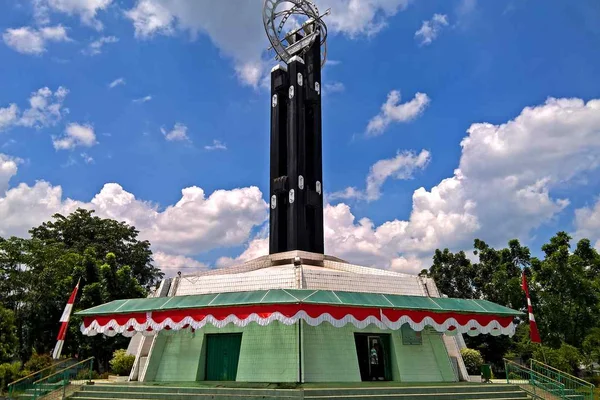
Indonesia Fires Become World's Largest Source of Wildfire Emissions as Pontianak Air Quality Hits 483
A super El Nino has pushed Indonesia's peatland fires to the top of global wildfire emissions, with Pontianak's air quality index reaching 483 on September 13, 2026.
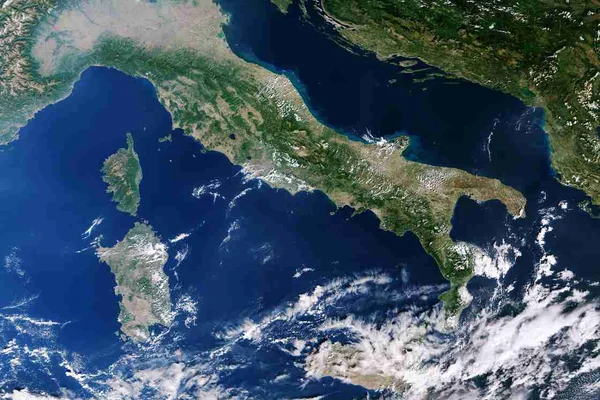
Spain records highest sea water temperature as AEMET confirms 61 heatwave days in 2026
The Dragonera buoy hit 33.02 degrees Celsius on August 5, 2026, the highest sea water reading in Puertos del Estado's network, while AEMET logged a record 61 heatwave days.

Canada More Than 20 Years Behind 2030 Emissions Target, Climate Institute Modelling Finds
New modelling from the Canadian Climate Institute finds Canada will not reach its 2030 emissions target before 2050 and will miss net zero by 460 megatonnes, with a 202-megatonne gap in 2040.
Comments (0)
Log in or sign up to leave a comment.
No comments yet. Be the first to share your thoughts.