On July 29, 2026 during the Asian trading session, the Kospi fell 3.4% in a single day, one of its steepest drops in months. The core driver was Samsung Electronics' Q2 guidance issued that day: the company said inventory accumulation across both DRAM and NAND exceeded prior expectations, with signs of weakness in AI server memory orders and no recovery in consumer NAND demand.
After the announcement, Samsung Electronics shares fell about 9% on the day, while SK Hynix plunged roughly 13%. The two companies together account for more than 30% of Kospi weighting, implying roughly $40 billion in combined market cap erased in a single session. The broader memory segment followed lower, and market concerns over a prolonged memory price slump intensified sharply.
What the Profit Warning Said
According to multi-source reporting from Bloomberg, Reuters, and the Financial Times (FT), Samsung's forward guidance delivered three layers of signals: first, DRAM inventory days have lengthened versus Q1, with channel inventory above historical averages; second, AI-server-related HBM and DDR5 orders are seeing customer delays and cancellations; third, consumer NAND (SSD and embedded storage) demand is weaker than the company's prior assumptions.
"Samsung's wording was very restrained, but the market read a subtext of 'the super-cycle has peaked,'" — Korean securities analyst Kim Joon-ho told Bloomberg.
Why AI Order Weakness Sparked Panic
The core force supporting DRAM prices over the past 18 months has been AI server demand for HBM3E and HBM4. Once Samsung's guidance mentioned "AI memory order weakness," the market immediately interpreted this as hyperscale customers having completed early deployment and entering an inventory digestion phase, rather than genuine demand saturation. The two explanations correspond to completely different price paths.
SK Hynix's Particular Vulnerability
SK Hynix has long led HBM market share, and its share price is highly sensitive to AI capex expectations. After Samsung's guidance, SK Hynix's 13% single-day drop reflected the market repricing its HBM premium. Even though the two companies differ in business mix, sector sentiment was dragged into sell-off territory in lockstep.
What to Watch Next
Investors are watching three milestones: the official Q2 results from Samsung and SK Hynix (expected in August), the pricing moves of Chinese players after CXMT's IPO, and Micron's August commentary on HBM pricing power. Any report delivering a signal of "inventory turnover improvement" could become the catalyst for a sector rebound.
Sources: multi-source confirmation from Bloomberg, Reuters, Financial Times (FT), CNBC, and the Korea Herald.
Related Articles
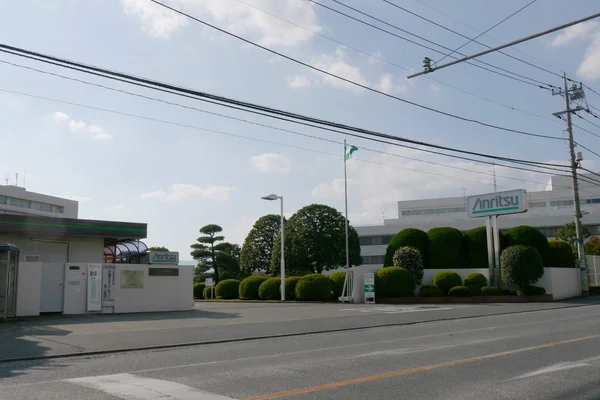
Anritsu 220 GHz VectorStar Powers Africa First Sub Terahertz Measurement Facility at Pretoria
The University of Pretoria's CEFIM has installed an Anritsu 220 GHz VectorStar VNA, doubling its calibrated measurement ceiling from 110 GHz to 220 GHz and creating Africa's only comprehensive sub-terahertz facility.
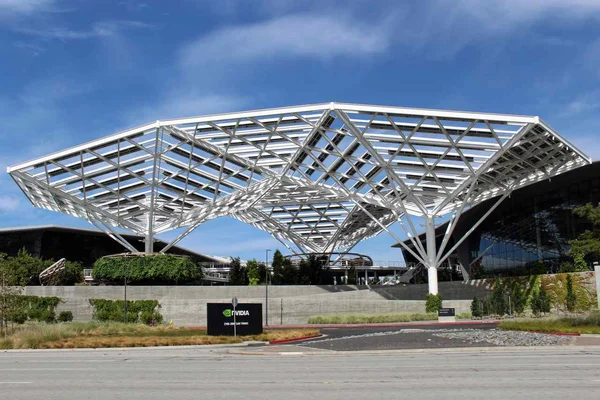
Nvidia opens rack ecosystem to d-Matrix as Raptor inference XPUs join NVLink Fusion
The Santa Clara chip startup will connect its upcoming Raptor inference accelerators to Nvidia MGX racks via NVLink Fusion, targeting initial availability in late 2027.
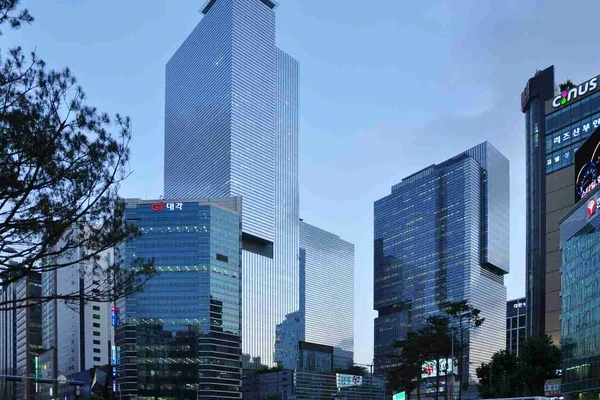
SMIC Narrows Foundry Market Share Gap With Samsung as Top 10 Foundries Hit Record $53.49 Billion Quarter
SMIC's second quarter revenue surged 20 percent to more than $3 billion, lifting its foundry market share to 5.4 percent and narrowing the gap with Samsung Foundry at 5.9 percent, according to TrendForce.
Comments (0)
Log in or sign up to leave a comment.
No comments yet. Be the first to share your thoughts.