Thick gray smoke drifted over a wooded area in northeast Serbia on Friday as authorities raced to contain a major wildfire, while multiple other blazes raged across the country amid extreme heat and prolonged drought gripping the Balkans, the Associated Press reported. Firefighters used helicopters to drop water on the blaze sweeping through pine forests near Deliblatska Pescara, a protected nature reserve about 65 kilometers from the capital, Belgrade, while another major fire raged near the central town of Kraljevo.
A Continent on Fire
The blistering heat wave has set national temperature records in multiple countries, with readings above 40 degrees Celsius in several Balkan nations. In the Ibar valley in central Serbia, water-bombing aircraft tackled rough terrain to protect nearby villages. Days of extreme heat also fueled wildfires in Italy's Emilia-Romagna region and across southern France, where a blaze that started July 20 has burnt more than 60 square kilometers — the largest fire in the region in decades.
The Danube Runs Dry
Europe's extreme summer has also taken a toll on its rivers: parts of the Danube have fallen to record-low water levels, and the unprecedented drop forced Hungary to shut down its only nuclear power plant, which relies on river water for cooling, triggering an energy crisis, Euronews reported. Romania has reduced output from its two largest hydroelectric plants to just 20% and 3% of capacity.
A Fast-Warming Continent
Europe is the world's fastest-warming continent, with temperatures rising at around twice the global average, according to the European State of the Climate 2025 report. Scientists warn that heat waves are expected to become more frequent, more intense and to arrive earlier and persist later in the year as the climate continues to warm.
Related Articles
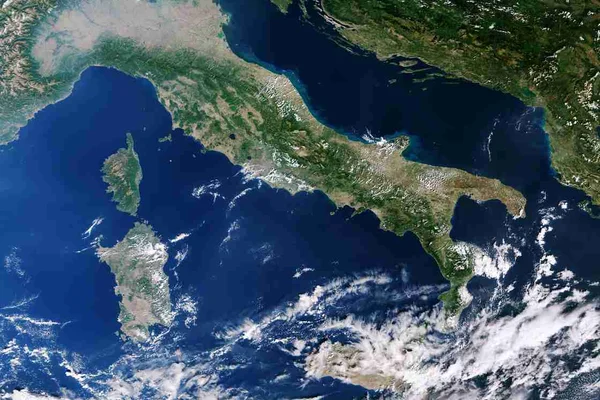
Copernicus report finds summer 2026 was Europe's hottest on record with 52 percent heat stress
The EU climate monitor said 52 percent of the continent faced feels-like temperatures above 38 degrees Celsius, Western Europe's hottest summer on record and the third warmest for Europe overall.
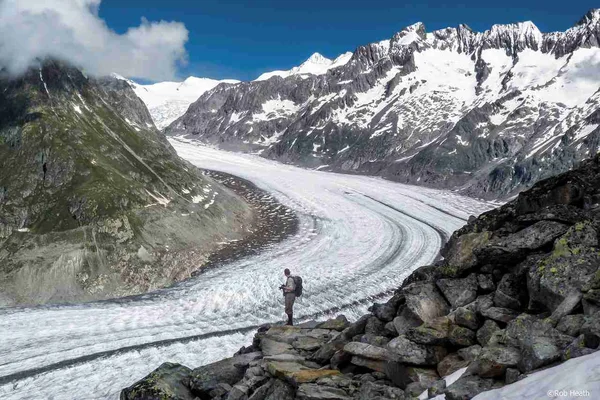
Swiss glaciers lose 5.5 percent of their ice in 2026 as five year melt nears one fifth
Switzerland's glaciers have now lost 19.4 percent of their volume in five years, and glaciologists warn that the ice is collapsing from the inside as melt rates explode.
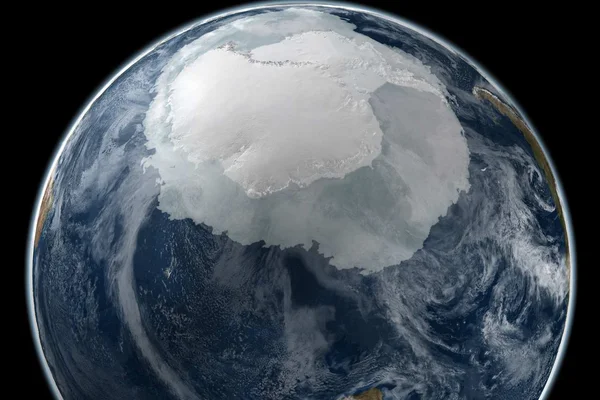
Antarctic winter sea ice hits third lowest maximum on record as four worst years cluster since 2022
Provisional satellite data show the Southern Ocean's winter ice cover peaked on 14 September at 17.59 million square kilometers, the third smallest in a record that begins in 1979.
Comments (0)
Log in or sign up to leave a comment.
No comments yet. Be the first to share your thoughts.