Salesforce on August 24 launched Slack Code, a new collaboration surface that embeds AI coding agents from Anthropic, OpenAI, GitHub, Cognition, and Vercel directly into shared Slack channels. Available across every paid Slack plan, the product is Salesforce's most concrete move yet toward repositioning Slack as the operating system for agentic software development, the company said in its announcement.
How It Works
Inside any Slack Code channel, four tabs organize the work: a conversation thread, the agent's action plan, line-by-line code diffs, and a live preview of the running output. Tagging any supported AI agent in a message automatically provisions a project-based channel that archives itself when the task completes, while preserving a searchable audit log. The system is built on Salesforce's flexible APIs and inherits Slack's existing enterprise security and admin permissions.
What Salesforce Argues It Solves
Salesforce executives argue that the dominant AI coding pattern today — a developer alone in a terminal — creates context loss, slows review cycles, and locks institutional knowledge inside private browsers. By moving AI agents into shared channels governed by enterprise IT controls, the company says, organizations turn those private workflows into searchable, compounding institutional memory. Anyone in a channel can pause, redirect, or stop an agent mid-task, and human sign-off remains required before production deploys.
Agent Roster and Extensibility
At launch, Slack Code integrates directly with Anthropic's Claude Code, Cognition's Devin, GitHub Copilot, OpenAI's ChatGPT, and Vercel's coding agents. Salesforce said the platform will open to custom enterprise agents across non-engineering functions such as legal and marketing later this year, expanding the same multiplayer pattern to workflows that today remain trapped in email threads. The company pointed to more than 500 AI applications already available in the Slack Marketplace as the distribution backbone for the rollout.
Why It Matters
Slack Code arrives at a moment when Salesforce's competitors are also pushing multiplayer agentic patterns: Anthropic's Claude Tag update last week lets its Slack-based agent read full conversations and proactively jump in unprompted, and Microsoft's embedding of agents across Teams creates a competing surface. By standing up an open agent roster rather than a walled garden, Salesforce is betting that enterprises will prefer orchestration over lock-in. The bet is most credible in regulated industries where agent actions must be auditable, reviewable, and tied to existing identity governance — exactly the constraints Slack already enforces.
Related Articles
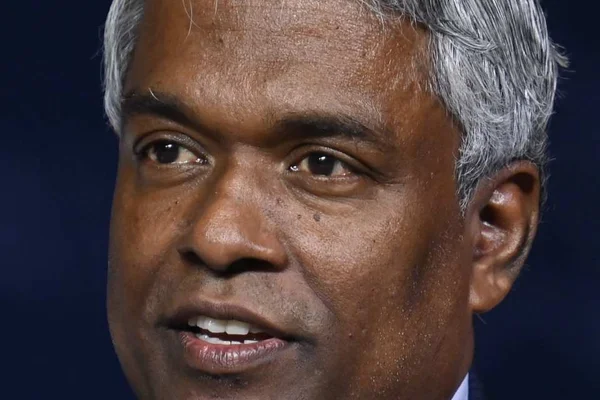
Google Cloud launches Gemini agent as universal AI for work across Workspace and Microsoft 365
Google Cloud CEO Thomas Kurian introduced the Gemini agent, a universal enterprise AI that works across Google Workspace, Microsoft 365, Slack and the command line.
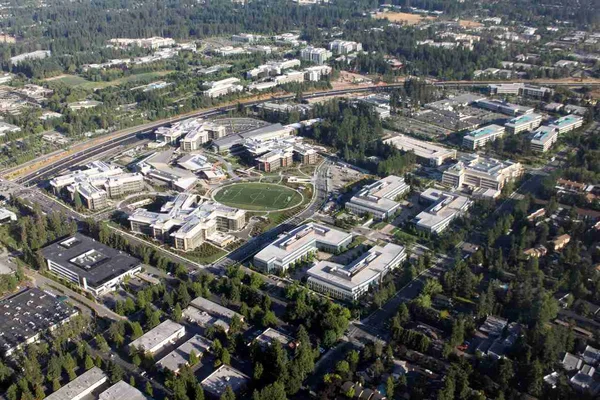
Microsoft Teams to Add Third Party Deepfake Detection and Impersonation Protection
Microsoft plans to wire certified third-party deepfake detection and impersonation warnings into Teams meetings, with general availability targeted for November 2026.

Google Ships Chrome 155 With 247 Fixes Including Four Critical Flaws
Chrome 155 arrives with 247 security fixes, four critical use-after-free bugs, and credits for Anthropic's Claude-assisted researcher and OpenAI's Codex Security team.
Comments (0)
Log in or sign up to leave a comment.
No comments yet. Be the first to share your thoughts.