Romania shut down the last operating reactor at its only nuclear power station on August 13 because drought-shrunken Danube water levels left too little water to cool it, BBC News reported. The second of two 706-megawatt reactors at Cernavodă was disconnected from the grid just before midday, removing about 20 percent of the country's electricity supply. "We do not foresee a restart within the next 10 days," plant director Romeo Urjan told AFP. Danube levels have fallen to their lowest in 30 years across several countries, and neighboring Hungary is straining to keep its Paks plant running.
A Continent on the Brink
The shutdown is part of a broader heat-driven energy crisis: Energy Intelligence tallied heat-related curtailment at 26 European nuclear reactors totaling more than 10 gigawatts, with France also curtailing output at several EDF plants — one blocked by a mass of jellyfish washed up at its intake on the English Channel. Romania has declared a state of energy emergency through August. The economic toll is mounting too: Italy's Coldiretti estimates climate-related damage could exceed €3 billion, French Environment Minister Monique Barbut cited possible costs of €10-15 billion, and CNN reported the summer could cost Europe's economy €180 billion ($208 billion) as drought cuts hydropower, nuclear output and crop yields.
Related Articles
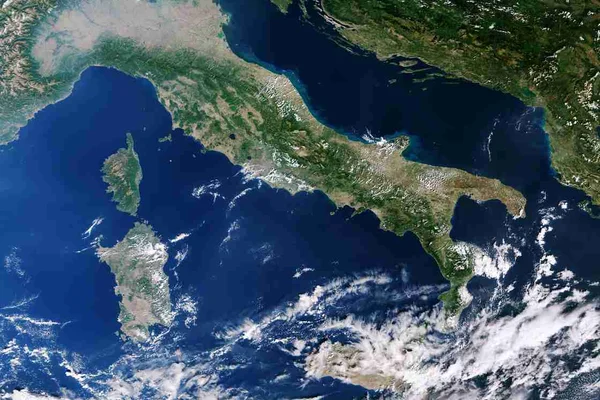
Copernicus report finds summer 2026 was Europe's hottest on record with 52 percent heat stress
The EU climate monitor said 52 percent of the continent faced feels-like temperatures above 38 degrees Celsius, Western Europe's hottest summer on record and the third warmest for Europe overall.
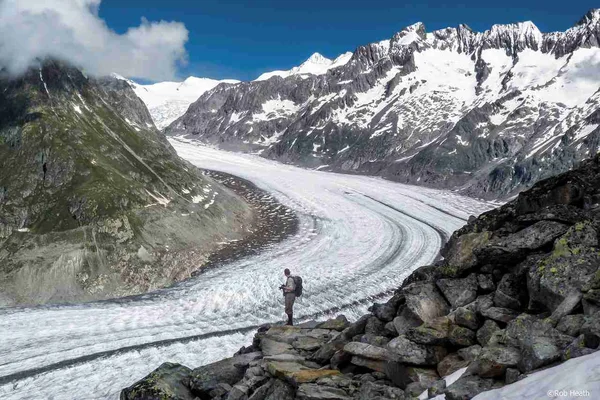
Swiss glaciers lose 5.5 percent of their ice in 2026 as five year melt nears one fifth
Switzerland's glaciers have now lost 19.4 percent of their volume in five years, and glaciologists warn that the ice is collapsing from the inside as melt rates explode.
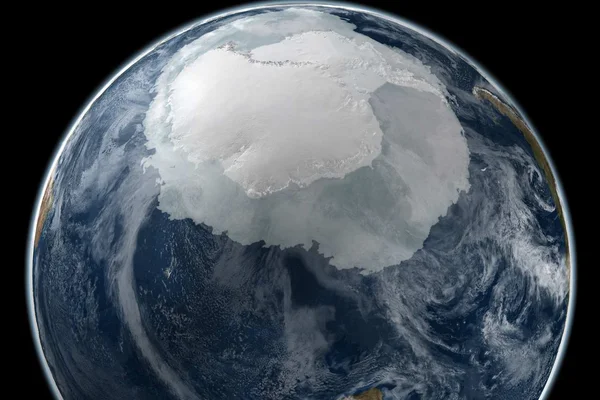
Antarctic winter sea ice hits third lowest maximum on record as four worst years cluster since 2022
Provisional satellite data show the Southern Ocean's winter ice cover peaked on 14 September at 17.59 million square kilometers, the third smallest in a record that begins in 1979.
Comments (0)
Log in or sign up to leave a comment.
No comments yet. Be the first to share your thoughts.