Nvidia's H200 AI chips have started arriving on the Chinese mainland in small shipments, with ByteDance and Tencent each receiving approximately 10,000 units, according to Financial Times reporting on August 18 and follow-up coverage on August 19 from CNBC, Digital Trends, and TradingKey. The shipments, confirmed by two people familiar with the matter to FT, represent the first concrete H200 deliveries to mainland Chinese customers since Washington approved the export licenses in January 2026 — and they remain well below the volumes the licenses authorize.
How Big the Shipments Actually Are
According to Techi's August 19 analysis, the cumulative H200 shipments to China are running at roughly 13 percent of the license ceiling that Nvidia and the U.S. Department of Commerce set when the approvals were issued in January 2026. For comparison, Nvidia sells more than 200,000 H200 units per quarter to U.S. hyperscalers. The 10,000-unit delivery to ByteDance is roughly the capacity of one mid-sized training cluster; Tencent's 10,000 units match. Both companies had reportedly pre-ordered significantly more, and the gap between licensed volume and shipped volume is now a sensitive trade-policy question.
Why the Slowdown
The lag between license approval and physical delivery is structural. Nvidia briefly halted China-bound H200 output in March 2026 and redirected that TSMC capacity to its next-generation Vera Rubin line, according to Techi. When production resumed in August, TSMC's CoWoS-L advanced packaging line was already booked through the rest of 2026, capping the volumes available for shipment regardless of license status. Chinese regulators, separately, have been scrutinizing individual H200 shipments for end-use compliance, slowing customs clearance on batches flagged for review. The combined effect is that licensed-but-undelivered inventory has built up at Nvidia and TSMC throughout the spring and summer.
What ByteDance and Tencent Will Do With the Chips
ByteDance's deployment, according to FT, is concentrated in Doubao — the company's flagship large language model — and the recommendation models that power TikTok and Douyin feeds. Tencent's allocation is split between Hunyuan, the company's foundation-model family, and the GPU pool that supports WeChat's content-understanding workloads. Both have spent the past year training on Huawei Ascend 910B and 910C chips, and the H200s are positioned as accelerators for the largest training jobs and the most latency-sensitive inference, not as a wholesale replacement for the domestic stack.
The Bigger Geopolitics
The H200 deliveries land in the same week the Philadelphia Semiconductor Index fell 4.98 percent on August 18 — a 628-point single-day drop that dragged the Nasdaq down 1.33 percent and marked the sector's worst session in months. Jefferies' August 18 note on AMD's Advancing AI 2026 event pointed out that AMD's server-roadmap trajectory may put it ahead of Nvidia in some workloads, and SoftBank's most-recent filing revealed Intel now accounts for roughly two-thirds of Masayoshi Son's disclosed U.S. equity portfolio. The H200-to-China shipments are not the cause of the August 18 selloff, but they underscore that the Nvidia growth story now has two distinct variables: U.S. hyperscaler capex and the small but geopolitically charged China shipment tail.
Related Articles

Nvidia adds 64GB DGX Spark at $4,999 while 128GB model rises to $6,950
Nvidia's new 64GB DGX Spark starts at $4,999 and ships October 23 through six PC makers, while the 128GB model now lists at $6,950 as memory supply remains tight into 2027 and 2028.

Nvidia Raises Shield TV Pro to $299.99 and Ends Base Shield TV After Seven Years
The $100 jump leaves Nvidia's flagship Android TV box at its highest price yet, with the cheaper tube model now out of production as memory costs ripple through consumer electronics.
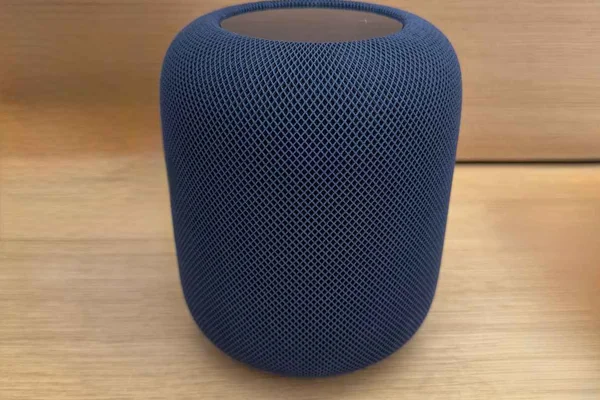
Apple to launch J490 smart home hub on October 13 with new HomePod mini and Apple TV
The iPhone maker will introduce a 6-inch smart display code-named J490, a refreshed HomePod mini, and a new Apple TV box, according to Bloomberg.
Comments (0)
Log in or sign up to leave a comment.
No comments yet. Be the first to share your thoughts.