The FDA granted accelerated approval Thursday to Tudriqev (vusolimogene oderparepvec-wtpg), a genetically modified herpes-virus therapy from Replimune, in combination with the immunotherapy nivolumab for adults with unresectable advanced melanoma that progressed on a PD-1-blocking antibody regimen. Roughly 45 percent of patients with advanced melanoma develop primary resistance to anti-PD-1 therapy, a population that has had few approved options.
How It Works
The therapy, an oncolytic virus derived from HSV-1, is injected directly into tumors every two weeks, killing cancer cells from the inside and — crucially — stimulating the immune system to attack remaining tumor cells. Nivolumab infusions are added starting in the third week. The hypothesis is that viral lysis re-sensitizes cold or resistant tumors to checkpoint blockade, essentially reversing the evasion mechanisms that made prior therapy fail.
The Data
In the open-label IGNYTE trial, 24.2 percent of 91 evaluable patients among 140 enrolled achieved an objective response, with a median duration of response of 14.1 months — meaning half of responders stayed in response beyond that mark. The approval follows a turbulent review: an FDA advisory committee voted 10-3 in favor at a July 30 meeting, the therapy had been rejected in April, and STAT has reported concerns from current and former FDA officials about the trial data.
As a condition of accelerated approval, Replimune must run post-approval confirmatory trials to verify clinical benefit; continued approval may hinge on those results. The approval makes Tudriqev the second oncolytic viral therapy cleared in the US after Amgen's Imlygic (2015), and the first engineered specifically as a combination partner with checkpoint blockade.
Related Articles

FDA Approves First Heart Valve Designed to Grow With Children
The Autus Size-Adjustable Valve, approved by the FDA on October 1, 2026, can be balloon-expanded from 13 mm to 22 mm, reducing repeat open-heart surgeries for children with congenital pulmonary valve disease.
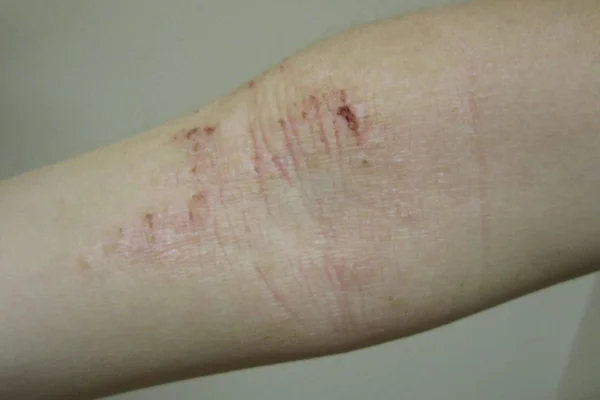
Pfizer trispecific antibody tilrekimig meets Phase 2 atopic dermatitis endpoint
Tilrekimig, an investigational trispecific antibody, produced EASI-75 responses of 47.8% to 62.5% at week 16 in a Pfizer Phase 2 atopic dermatitis study, versus 9.1% to 19.9% on placebo.

Foghorn Therapeutics ends Eli Lilly cancer partnership and cuts 40 percent of staff
The Watertown, Massachusetts biotech is halting the SMARCA2 inhibitor FHD-909 after Phase 1 data fell short, ending a Lilly alliance once valued at up to $1.6 billion and shedding about 40 percent of staff.
Comments (0)
Log in or sign up to leave a comment.
No comments yet. Be the first to share your thoughts.