The US Food and Drug Administration granted accelerated approval on August 6 to vusolimogene oderparepvec-wtpg (Tudriqev) in combination with nivolumab for adults with unresectable advanced cutaneous melanoma whose disease progressed on a PD-1-blocking antibody-based regimen, Oncology News Central reported. The decision comes after the agency twice rejected the combination — most recently this April over efficacy trial design concerns — and follows a 10-3 advisory committee vote in July affirming that the results were clinically meaningful.
The Trial Behind the Approval
The open-label, single-arm Phase 1/2 IGNYTE trial enrolled 140 adults with stage IIIB, IIIC, or IV unresectable melanoma, all of whom had progressed after at least eight consecutive weeks of prior anti-PD-1 therapy. The objective response rate was 24.2%, and the median duration of response was 14.1 months. When the 49% of patients whose lesions were all injected with the virus were excluded — as FDA reviewers argued RECIST criteria required — the response rate fell to 15.7%.
How It Works
Tudriqev is an oncolytic virus — a modified herpes virus designed to infect and destroy tumor cells while provoking an immune response — paired with nivolumab, the PD-1 checkpoint inhibitor. For patients who have exhausted PD-1 therapy, the regimen offers a new mechanism entirely: a virus engineered to attack the tumor directly.
Post-Market Conditions
The FDA noted that Replimmune Inc., the drug's sponsor, is required to conduct at least one post-approval trial, and that conversion to traditional approval is contingent on those results verifying clinical benefit. Melanoma remains one of the fastest-moving areas of oncology, with oncolytic viruses long considered promising but historically difficult to bring through the approval process.
Related Articles

FDA Approves First Heart Valve Designed to Grow With Children
The Autus Size-Adjustable Valve, approved by the FDA on October 1, 2026, can be balloon-expanded from 13 mm to 22 mm, reducing repeat open-heart surgeries for children with congenital pulmonary valve disease.
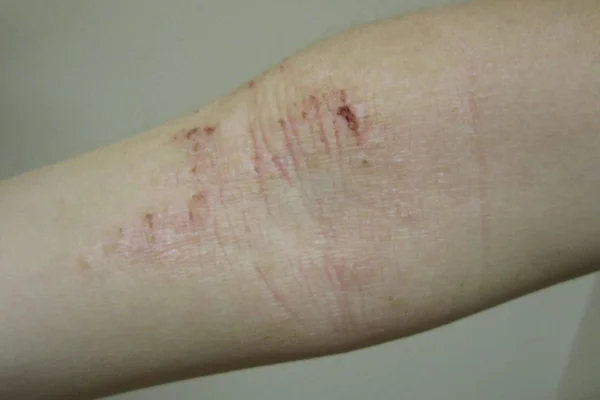
Pfizer trispecific antibody tilrekimig meets Phase 2 atopic dermatitis endpoint
Tilrekimig, an investigational trispecific antibody, produced EASI-75 responses of 47.8% to 62.5% at week 16 in a Pfizer Phase 2 atopic dermatitis study, versus 9.1% to 19.9% on placebo.

Foghorn Therapeutics ends Eli Lilly cancer partnership and cuts 40 percent of staff
The Watertown, Massachusetts biotech is halting the SMARCA2 inhibitor FHD-909 after Phase 1 data fell short, ending a Lilly alliance once valued at up to $1.6 billion and shedding about 40 percent of staff.
Comments (0)
Log in or sign up to leave a comment.
No comments yet. Be the first to share your thoughts.