The U.S. Food and Drug Administration on August 24 approved IMAAVY (nipocalimab-aahu) for the treatment of warm autoimmune hemolytic anemia (wAIHA) in adults and pediatric patients 12 years of age and older currently or previously treated with corticosteroids, Johnson & Johnson announced. The approval, which followed FDA Priority Review, marks the first time a therapy has been proven safe and effective specifically for wAIHA, a rare and potentially life-threatening autoantibody disease.
Trial Results
The Phase 2/3 ENERGY study's primary endpoint was durable hemoglobin response, defined as a hemoglobin concentration of at least 10 g/dL and an increase from baseline of at least 2 g/dL for at least 28 days, with the criteria starting to be met by Week 16 of the double-blind period. Approximately three times as many patients receiving the approved 30 mg/kg every-four-weeks dose of IMAAVY achieved durable hemoglobin response versus placebo by Week 24, with a mean increase of 1 g/dL observed at Week 1. The most common adverse reactions were peripheral edema, diarrhea, and fever. The therapy was associated with a 3.5-point higher mean FACIT-Fatigue score versus placebo at Week 24.
How It Works
IMAAVY is an immunoselective treatment designed to target and bind the neonatal Fc receptor (FcRn) with high affinity, reducing circulating immunoglobulin G antibodies that drive the disease while preserving B-cell function, based on in vitro and in vivo studies. The compound is already approved for generalized myasthenia gravis in adults and pediatric patients 12 and older who are anti-AChR or anti-MuSK antibody positive, and has received Orphan Drug, Fast Track, and Breakthrough Therapy designations across multiple indications, including hemolytic disease of the fetus and newborn and Sjögren's disease.
Other FDA Actions This Week
The IMAAVY approval came in a busy week for FDA news. Roche and Eli Lilly's Elecsys pTau217 Alzheimer's blood test was cleared by FDA on August 24 for identifying patients likely or unlikely to have Alzheimer's-related brain changes in people 55 and older with cognitive decline, following European approval in May. The test can run on more than 4,500 Roche laboratory analyzers across the U.S., and Labcorp and Quest Diagnostics have said they will offer it through their networks. Separately, United Therapeutics announced that FDA accepted its NDA for ralinepag in pulmonary arterial hypertension, with a target action date of June 24, 2027.
What to Watch Through Year-End
Three checkpoints follow. The PDUFA date for Capricor Therapeutics' deramiocel in Duchenne muscular dystrophy has been extended by three months to November 22 after the company submitted an amendment with 24-month open-label extension data, and the stock rose as much as 16% on the news. REGENXBIO's Hunter syndrome gene therapy RGX-121 was placed on FDA clinical hold after asymptomatic spine MRI findings in five CAMPSIITE participants, sending shares down 22% in premarket trading. The Truama review at FDA's acting commissioner Kyle Diamantas is expected to provide clarity on accelerated approval pathways for gene therapies through Q4 2026.
Related Articles
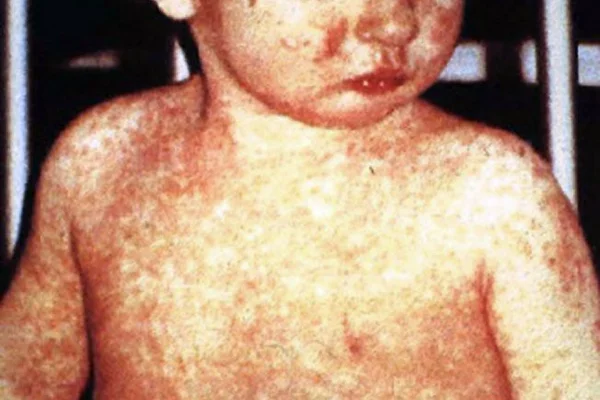
US measles cases reach 4,080 in 2026, highest annual total since 1991 as Pennsylvania surges
CDC data show 4,080 confirmed measles cases as of October 8, 2026, nearly double last year's total, with Pennsylvania reporting 1,136 cases and five deaths.

WHO Issues First Global Guidelines on Child Obesity, Rejecting Drugs and Surgery for Under 10s
The UN health agency's first guidance on paediatric obesity puts structured diet, activity and behaviour support ahead of medicines and surgery for the youngest patients.

FDA approves Novartis Rhapsido as first treatment for symptomatic dermographism
Novartis's oral BTK inhibitor becomes the only prescription medicine cleared for both symptomatic dermographism and chronic spontaneous urticaria.
Comments (0)
Log in or sign up to leave a comment.
No comments yet. Be the first to share your thoughts.