The Federal Communications Commission has banned new foreign-produced mobile robots from entering the U.S. market, a move that applies to robot vacuums, robotic lawn mowers, and humanoid and quadruped robots, according to IEEE Spectrum, which reported on August 4 that the U.S. now bans new foreign mobile robots. Forbes followed on August 6 with a guide to what the ban means for robot vacuum owners, and Reason Magazine noted the ban covers Roomba and other popular brands.
What the Ban Covers
The restrictions hit new devices from foreign manufacturers, including robot vacuums from Roomba (iRobot), Shark, Dyson, Eufy, Roborock and Dreame, as well as lawn mowers and advanced humanoid and quadruped robots, per ASIS International and Mix93.3. Existing devices already in consumers' homes will keep working, but new certification of foreign-made robots faces conditional approval or denial — a distinction Vacuum Wars highlighted in its coverage of what the new rules mean for future purchases.
Industry and Expert Reaction
Robot vacuum brands have responded publicly, with Mashable on August 7 collecting statements from Shark, iRobot, Eufy and others. The International Federation of Robotics weighed in on the FCC restrictions, while Manufacturing Dive reported that experts view the block as a nearshoring tactic that could push robot production back to the U.S. The Information added a striking detail: U.S. robotics startups are now reportedly stuffing parts from China in luggage to keep prototypes moving across the border.
Why It Matters
The FCC's ban turns robot imports into a national security question, arguing that foreign-made mobile devices equipped with cameras, microphones and mapping sensors can collect sensitive data about homes and facilities. The move could reshape a market where the vast majority of robot vacuums are manufactured in Asia, potentially raising prices and accelerating domestic production — while the nearshoring debate shows how quickly robotics policy has become industrial policy.
Related Articles
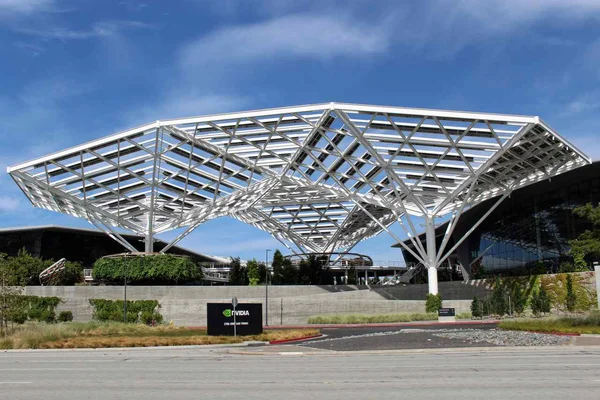
FieldAI signs term sheet for $700M raise at $10B valuation for robot brain
The Irvine-based robotics software startup has signed a term sheet for a $700 million round that would value it at $10 billion, up from $2 billion in 2025, as investors bet on a universal robot brain.
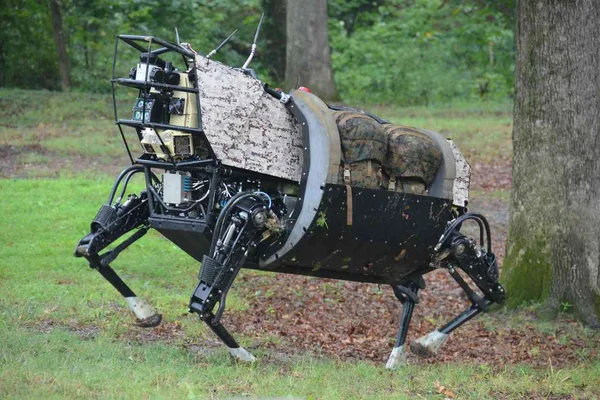
Boston Dynamics Drops Pinky on New Atlas Hand Built for Mass Production
The Hyundai robotics unit has replaced a seven degree of freedom hand with a four finger design that targets 100,000 units a year and skips the pinky entirely.
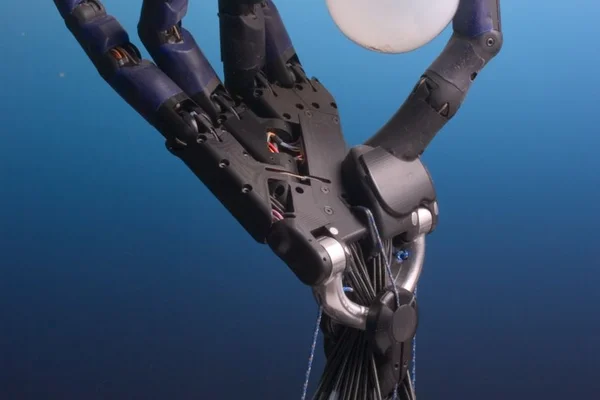
Agility Robotics and FORT Robotics Sign MOU to Extend Digit 5 Safety Beyond the Robot
The October 1, 2026 memorandum of understanding makes FORT Robotics the off-robot safety layer for Agility's next-generation humanoid, pairing an existing component supply relationship with joint compliance work.
Comments (0)
Log in or sign up to leave a comment.
No comments yet. Be the first to share your thoughts.