More than 25,000 people have died across Europe as a result of extreme heat in 2026, according to Bloomberg's running tally, with the United Kingdom recording its hottest day of the year at 38.1C on August 12 and France logging its third-longest heatwave on record at 17 days, the Guardian reported. Mortality tracking compiled by the Barcelona Institute for Global Health and cited by CNN puts the toll at the highest since the 2003 heatwave that killed more than 70,000 Europeans in a single summer.
A Continent-Wide Crisis
The 2026 heat has been relentless. Spain peaked at 45.1C in late June, Germany hit a provisional national record of 41.7C, and the UK reached 38.1C on August 12 — the hottest day of the year and the eleventh day above 30C since June began. The Met Office noted that by August 9, the UK had recorded 33 days in 2026 where temperatures surpassed 30C somewhere in the country, one day short of the single-year national record of 34 days set in 1995. France's 17-day heatwave is the third-longest ever recorded in the country; only 2003 and 2022 were longer.
The Wildfire Knock-On
Extreme heat has collided with drought across southern Europe, fueling a wildfire season that has burned more than 800,000 hectares since June — roughly double the 2014-2024 average for the same period. Smoke from the 2026 Canadian wildfires blanketed the North American Eastern Seaboard in late July and added a particle-pollution layer to the European heat dome, compounding respiratory deaths. Italy has enforced rolling blackouts in Lombardy and Piedmont, and Spain's nuclear fleet has run at reduced output because river water is too warm to cool reactors efficiently.
What the Data Shows
Copernicus's monthly climate bulletin — released August 7 — confirmed that July 2026 was the hottest month ever recorded globally, with land and ocean surface temperatures running 1.61C above the pre-industrial baseline. "We are now in climate territory that, a decade ago, existed only in models," said Copernicus Director Carlo Buontempo. The data makes clear that the 25,000 figure is a floor, not a ceiling — mortality rounding typically lifts the final consensus count by 20 to 30 percent once all-cause deaths are reconciled in early 2027.
Related Articles
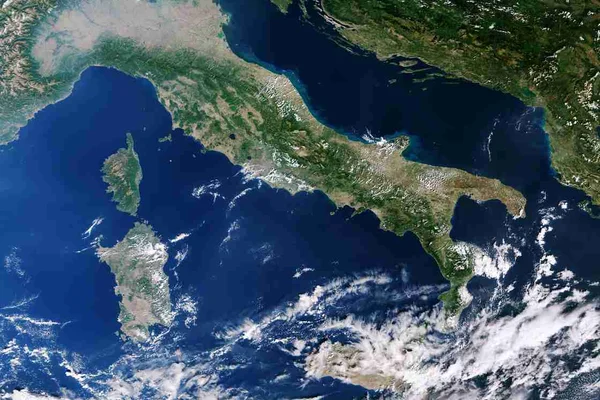
Copernicus report finds summer 2026 was Europe's hottest on record with 52 percent heat stress
The EU climate monitor said 52 percent of the continent faced feels-like temperatures above 38 degrees Celsius, Western Europe's hottest summer on record and the third warmest for Europe overall.
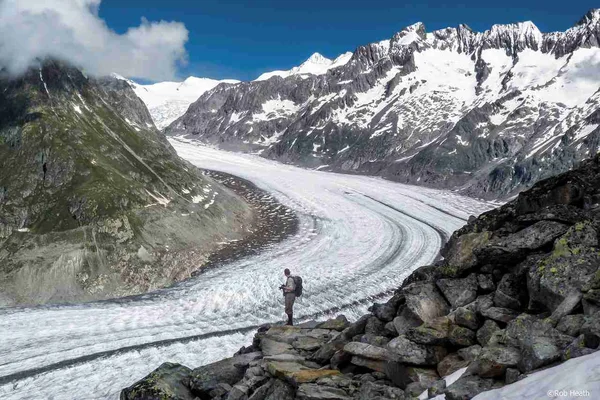
Swiss glaciers lose 5.5 percent of their ice in 2026 as five year melt nears one fifth
Switzerland's glaciers have now lost 19.4 percent of their volume in five years, and glaciologists warn that the ice is collapsing from the inside as melt rates explode.
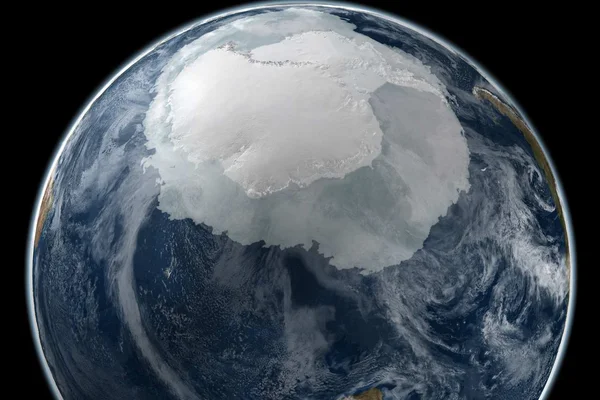
Antarctic winter sea ice hits third lowest maximum on record as four worst years cluster since 2022
Provisional satellite data show the Southern Ocean's winter ice cover peaked on 14 September at 17.59 million square kilometers, the third smallest in a record that begins in 1979.
Comments (0)
Log in or sign up to leave a comment.
No comments yet. Be the first to share your thoughts.