A World Weather Attribution (WWA) analysis published on August 20 found that human-caused climate change added roughly 2°C of warming to the Mediterranean Sea and approximately 1.4°C to the seas around western Europe during the summer of 2026. The attribution, the first peer-reviewed marine-heatwave analysis of the 2026 European summer, is the clearest signal yet that coastal ecosystems and the extreme weather they drive are now structurally reshaped rather than episodically perturbed.
What the Attribution Shows
The WWA analysis used observational sea-surface-temperature records, atmospheric reanalysis data, and counterfactual climate-model runs to compare 2026 conditions against a pre-industrial baseline. The Mediterranean warming of roughly 2°C is on the high end of the WWA attribution spectrum, comparable to land heatwave attributions the same group has produced for the 2024 and 2025 European summers. The 1.4°C figure for the seas around western Europe — covering the Bay of Biscay, the Celtic Sea, the North Sea approaches and the Irish Sea — is the first WWA attribution of marine heatwaves in that region and provides a quantitative anchor for the coastal-ecosystem impacts that have been observed since June.
Why Marine Heatwaves Are Different From Land Heatwaves
Marine heatwaves persist longer than land heatwaves — the ocean's thermal inertia means a marine heatwave can last for weeks to months rather than days — and their biological consequences compound. Warmer sea temperatures disrupt fisheries (Mediterranean tuna, swordfish and sardine populations have shifted northward this summer), accelerate the loss of seagrass meadows and kelp forests that are foundational coastal habitats, and amplify the intensity of coastal storms. Claire Bergin, one of the WWA lead authors, said the warming 「has the potential to completely reshape ecosystems that coastal communities rely on for food and income, and drive damaging extreme weather on land too.」 The combined land-and-sea warming of summer 2026 is now consistent with what climate models had projected for the 2030s, not 2026.
The Economic and Insurance Implications
The marine-heatwave attribution lands on top of an already difficult European summer. AFP's analysis of Météo-France data, published August 19, found that a record number of mainland-France weather stations topped 40°C this summer, with several major cities crossing the threshold for the first time. The European insurance industry has been responding with rapid repricing of coastal-property and fisheries-business policies; a series of Munich Re briefings through August have signaled that the 2026 European heat-and-marine loss bill will exceed prior years by a wide margin. Extreme heat has already cost Europe hundreds of billions of euros, according to analyses aggregated by Agriculture Industry Today, with the bill still growing.
What Comes Next for Climate Adaptation
The attribution will inform the European Environment Agency's annual climate-indicator report, due in October, and the European Commission's 2027 Climate Adaptation Strategy update, due in early 2027. Coastal cities — Barcelona, Marseille, Genoa, Athens — have already begun accelerated marine-ecosystem-restoration programs, including seagrass transplantation and kelp-forest protection zones. The practical implication for residents of European coastal cities is that the next decade of marine heatwave exposure is now formally attributable to human-caused warming, which materially changes the legal and regulatory landscape for climate-adaptation investment and insurance-pricing decisions.
The Broader Climate Signal
The WWA attribution is the third major 2026 European climate attribution in eight weeks, following the June-July western European heat record attributed at 2.7°C above pre-industrial by the same group and the Balkan wildfires attributed at 3°C above pre-industrial by a separate team. The combined signal is that 2026 is now formally the year in which the 1.5°C Paris Agreement threshold was first exceeded in European summer conditions across multiple distinct climate subsystems — land heat, sea heat, and fire weather. For the next round of international climate negotiations, the WWA methodology and the multiple 2026 European attributions provide a much sharper empirical record than was available to negotiators at any prior COP.
Related Articles
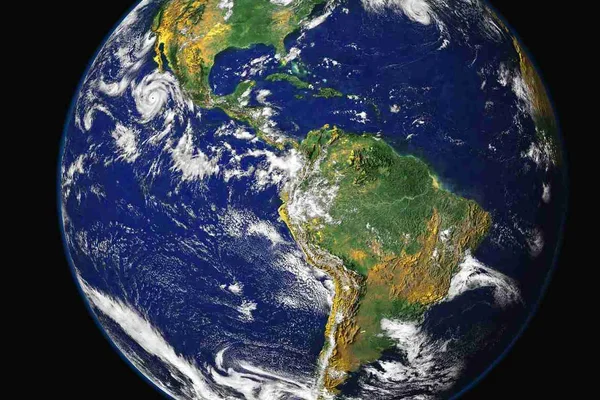
Antarctic ice loss is locked in this century but emissions cuts can still cap sea level rise
Machine learning and satellite calibration show Antarctica will very likely shed ice this century no matter what, while the pace of emissions cuts decides how much sea level rise coasts must absorb.
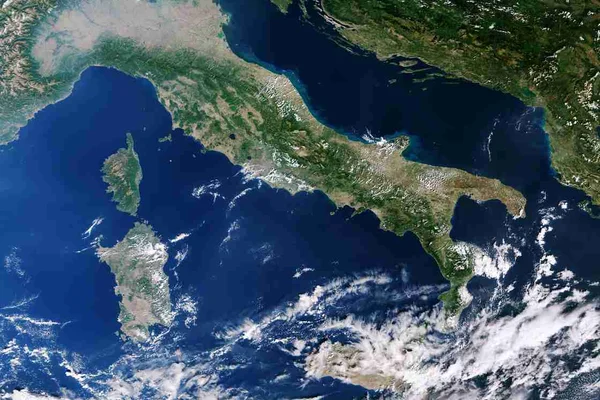
Copernicus report finds summer 2026 was Europe's hottest on record with 52 percent heat stress
The EU climate monitor said 52 percent of the continent faced feels-like temperatures above 38 degrees Celsius, Western Europe's hottest summer on record and the third warmest for Europe overall.
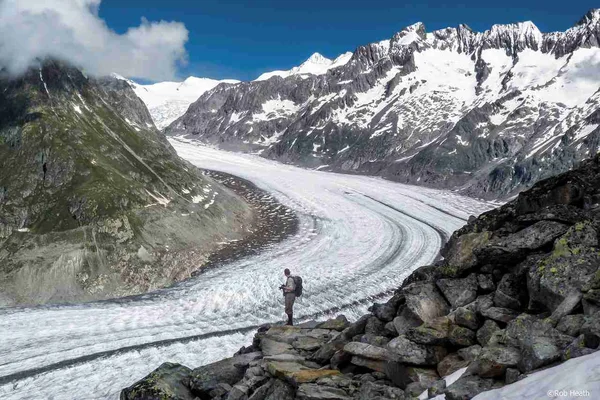
Swiss glaciers lose 5.5 percent of their ice in 2026 as five year melt nears one fifth
Switzerland's glaciers have now lost 19.4 percent of their volume in five years, and glaciologists warn that the ice is collapsing from the inside as melt rates explode.
Comments (0)
Log in or sign up to leave a comment.
No comments yet. Be the first to share your thoughts.