June 2026 delivered Europe's most intense June heat dome in nearly 80 years, according to data from national meteorological services and the EU's Copernicus Climate Change Service. France broke June temperature records on consecutive days, Spain logged its hottest late-June since 1950, and countries from the U.K. to the Czech Republic all set new monthly marks.
What Happened
A persistent high-pressure system stalled over Western Europe from June 18 through June 26, trapping hot air from North Africa and the Iberian peninsula across the continent. Subsidence (sinking air) and clear skies amplified daytime highs, while warm nights prevented recovery.
"This was not just a hot spell. It was a textbook dome with persistence, geographic reach, and night-time warmth that made it lethal," said Carlo Buontempo, director of Copernicus.
Country by Country
- France: 44.3 °C measured in the southwest on June 23 and 24, breaking June records that had stood since 1947. Multiple stations exceeded 42 °C for three consecutive days.
- Spain: hottest late-June since 1950, with 43+ °C readings in Andalusia and Extremadura. Night-time minima stayed above 25 °C in Madrid for nine straight nights.
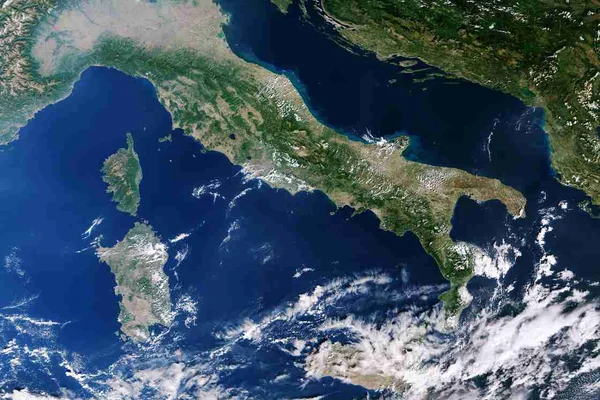
- Italy: Rome hit 41 °C on June 22, the highest June reading in the city's modern record. Sardinia exceeded 44 °C in inland areas.
- United Kingdom: 37.3 °C in southeast England on June 24, the highest June temperature ever recorded. The Met Office issued its first-ever June red warning.
- Germany: 39.2 °C in the southwest, breaking the previous June record by more than a degree.
- Netherlands: 38.5 °C, a national June record.
- Poland: 38.0 °C, the highest June reading since instrumental records began.
- Czech Republic: 38.9 °C in central Bohemia, a new June record.
Mortality and Health Impact
Excess-mortality tracking by the EU's EuroMOMO network flagged statistically significant heat-attributable deaths across France, Spain, and Italy during the dome. Early estimates put the total at roughly 4,500 attributable deaths, with the heaviest burden on people over 75 in urban areas.
Why the Dome Stalled
Slow-moving summer ridges are not new, but their intensity has grown. A 2025 study in Nature Climate Change linked June ridges over Europe to a weakening of the Atlantic jet stream, itself tied to Arctic amplification. The 2026 event matches that pattern almost exactly.
What Comes Next
July has continued the pattern in Italy and the Balkans, while the July 28 reports from Italy describe conditions "even more severe" than the June peak. Copernicus's seasonal outlook points to elevated odds of above-normal temperatures across Southern Europe through August.
Related Articles

Indonesia Fires Become World's Largest Source of Wildfire Emissions as Pontianak Air Quality Hits 483
A super El Nino has pushed Indonesia's peatland fires to the top of global wildfire emissions, with Pontianak's air quality index reaching 483 on September 13, 2026.
Spain records highest sea water temperature as AEMET confirms 61 heatwave days in 2026
The Dragonera buoy hit 33.02 degrees Celsius on August 5, 2026, the highest sea water reading in Puertos del Estado's network, while AEMET logged a record 61 heatwave days.

Canada More Than 20 Years Behind 2030 Emissions Target, Climate Institute Modelling Finds
New modelling from the Canadian Climate Institute finds Canada will not reach its 2030 emissions target before 2050 and will miss net zero by 460 megatonnes, with a 202-megatonne gap in 2040.
Comments (0)
Log in or sign up to leave a comment.
No comments yet. Be the first to share your thoughts.