Eli Lilly on August 12 filed six lawsuits against U.S. firms it accuses of illegally selling black-market versions of its experimental obesity drug retatrutide. A day later, Novo Nordisk CEO Mike Doustdar said investors are underestimating demand for differentiated obesity drugs — pushing back against the dominant framing of the GLP-1 market as a winner-take-all between Lilly's tirzepatide-based therapies and Novo's semaglutide-based therapies.
The Retatrutide Lawsuits
Lilly's August 12 filings target six companies — three compound pharmacies and three online telehealth platforms — for allegedly selling unapproved injectable retatrutide to U.S. patients. The lawsuits allege violations of the Federal Food, Drug, and Cosmetic Act, false-advertising, and trademark infringement. Retatrutide, Lilly's next-generation GLP-1/GIP/glucagon triple agonist, has not yet received FDA approval and is still in Phase 3. Black-market exposure is a known supply-chain risk for investigational peptides; Lilly said the compounds sold by the defendants were contaminated or mis-labeled in lab testing.
Novo CEO: Differentiation Will Win
Speaking to reporters on August 13, Novo Nordisk CEO Mike Doustdar said he believes the obesity-drug market will not converge on a single winner because prescribers and patients will reward differentiated products — including oral GLP-1s, longer dosing intervals, and cardiovascular outcomes data that competitors have not matched. Lilly reported stronger-than-expected Q2 results earlier in the month, widening the perceived gap between the two GLP-1 leaders. Doustdar's comments are the first public pushback from Novo on the winner-take-all framing since Q2.
Novo's Counter-Suit Against Lilly
Novo Nordisk separately filed a lawsuit against Eli Lilly alleging that Lilly ran "false and misleading" ads that used outdated clinical trial data to portray its obesity and diabetes drugs as broadly superior to Novo's Wegovy and Ozempic. The suit, which Lilly has not yet formally responded to, escalates a months-long advertising dispute and could be a precursor to broader litigation over market claims.
Why the GLP-1 Story Is Bigger Than Either Company
The week's actions reflect a maturing, not shrinking, market. Eight companies now sell GLP-1 agonists in the U.S.; three more are in late-stage trials; and oral formulations are in Phase 3 from Pfizer, Roche, and Structure Therapeutics. The combined market sizing for the GLP-1 class in 2026 is now estimated by JP Morgan at $145 billion, up from $92 billion in 2025, with obesity-specific drugs accounting for the bulk of growth.
Related Articles

FDA Approves First Heart Valve Designed to Grow With Children
The Autus Size-Adjustable Valve, approved by the FDA on October 1, 2026, can be balloon-expanded from 13 mm to 22 mm, reducing repeat open-heart surgeries for children with congenital pulmonary valve disease.
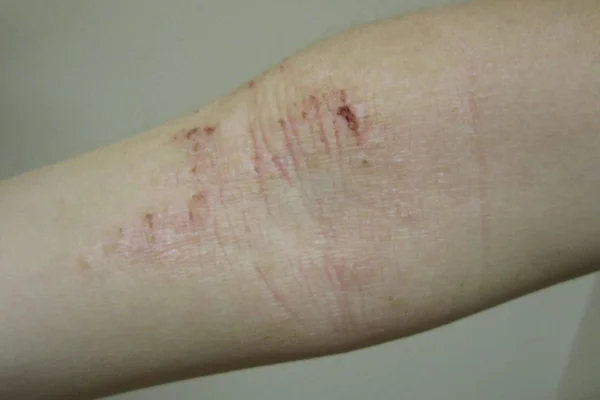
Pfizer trispecific antibody tilrekimig meets Phase 2 atopic dermatitis endpoint
Tilrekimig, an investigational trispecific antibody, produced EASI-75 responses of 47.8% to 62.5% at week 16 in a Pfizer Phase 2 atopic dermatitis study, versus 9.1% to 19.9% on placebo.
Foghorn Therapeutics ends Eli Lilly cancer partnership and cuts 40 percent of staff
The Watertown, Massachusetts biotech is halting the SMARCA2 inhibitor FHD-909 after Phase 1 data fell short, ending a Lilly alliance once valued at up to $1.6 billion and shedding about 40 percent of staff.
Comments (0)
Log in or sign up to leave a comment.
No comments yet. Be the first to share your thoughts.