Heat stress occurs when temperature and humidity combine so that the human body can no longer cool itself through perspiration. In Europe, that threshold has moved from a meteorological curiosity to a public health emergency, and the summer of 2026 pushed the continent further past it than any season on record.
The European Union's Copernicus Climate Change Service (C3S) published its seasonal assessment on Friday, October 2, 2026. The findings describe a summer in which a record 52 percent of Europe was exposed to 'very strong' heat stress, defined by Copernicus as feels-like temperatures higher than 38 degrees Celsius (100.4 degrees Fahrenheit). Around 80 percent of the continent experienced 'strong' heat stress, with feels-like readings above 32 degrees Celsius (89.6 degrees Fahrenheit), on a record 41 days by the end of the season.
Western Europe recorded its hottest summer on record, with June to August surface air temperatures 2.5 degrees Celsius above the recent decadal average and a seasonal average of 21.7 degrees Celsius. For the continent as a whole, summer 2026 ranked as the third warmest on record. The report also found that four of Europe's ten most intense heatwaves occurred in this single summer, although August 2003 remains the most severe heatwave ever recorded in Europe.
Samantha Burgess, deputy director of C3S and climate lead at the European Centre for Medium-Range Weather Forecasts (ECMWF), which operates Copernicus, told a media briefing that the scale and spread of the heat were both unusual. 'One of the things that stands out for 2026 is that the heat was not only remarkable for its intensity, but also for its geographical extent,' she said.
Key Facts
The Guardian reported on October 2, 2026, that surface air temperatures in Western Europe from June to August were 2.5C above the recent decadal average, and that at least 60 percent of Western Europe endured temperatures above 30 degrees Celsius on 17 days, compared with 11 days in 2003 and just 7 in 2025. Those conditions produced a record 13 days of 'very strong' heat stress across Western Europe.
DW reported on October 2, 2026, that the 52 percent exposure figure was the highest ever recorded for 'very strong' heat stress, which it described as temperatures that feel higher than 38 degrees Celsius. The same report noted that drought affected almost half of Europe by the end of summer, and that European rivers registered their lowest average flows since records began in 1992.
RFI reported on October 2, 2026, that four of Europe's ten worst heatwaves on record occurred during the summer of 2026, and that the season began with an unusually early heatwave in late May. Copernicus data show that high heat persisted even into September, extending the strain on water supplies, energy systems and public health well beyond the traditional summer peak.
Phys.org reported on October 2, 2026, that heat stress occurs when the body's natural cooling systems are overwhelmed, causing symptoms that range from dizziness and headaches to organ failure and death. Burgess said extreme heat is now the leading cause of weather-related mortality worldwide.
Additional figures from the Copernicus assessment paint a picture of a climate system under simultaneous stress. European sea surface temperatures broke records this summer: 56 percent of the European ocean was much warmer than average, and 22 percent experienced record-high summer sea surface temperatures. Wildfire activity was likewise extreme. By the end of September, 680,000 hectares had burned, the third-worst total on record behind the million hectares recorded by that point in 2025 and 768,000 hectares in 2022. Wildfire smoke added 30 percent more fine particulate matter to the air than the average over the last two decades.
Analysis
The numbers alone would make summer 2026 a landmark season, but the more important finding is structural. What this really means is that Europe's heat problem is no longer defined by a single extreme event, but by the simultaneous failure of multiple systems that societies depend on: rivers, oceans, soils, forests and human bodies. Copernicus found that the season delivered four of Europe's ten most intense heatwaves in a single year, yet the single most severe event remains August 2003, a reminder that breadth and peak intensity can follow different trends.
Burgess made that point explicitly. 'That's one of the defining characteristics of summer this year, that it was not a single record. It was the way that multiple records appeared together across the climate system,' she said. The lowest river flows since 1992 affected freight transport and placed pressure on irrigation, hydropower production and the cooling of nuclear reactors. Drought touched almost half of the continent by the end of August.
The human cost is already severe. Tens of thousands of people died in heatwaves across Europe this summer, and the report notes that a swelling El Nino of unprecedented strength is expected to cause almost half a million extra heat-related deaths by February. Air conditioning remains uncommon in many parts of Europe, so cities such as Paris temporarily restricted alcohol sales as temperatures frequently spiked above 40 degrees Celsius. In Germany's most populous state, North Rhine-Westphalia, the biggest wildfire in its history triggered evacuations in August.
The bigger picture here is that Europe, the world's fastest-warming continent, is now experiencing compound climate risks that no single adaptation measure can address. Burgess framed the challenge in terms of resilience: 'The consequences extended far beyond temperature records, affecting water availability, energy systems, transport, ecosystems and human health. As the climate continues to warm, events like these underscore the importance of building resilience to increasingly interconnected climate risks.'
Why It Matters
Summer 2026 matters because it shows what a 2.5 degree Celsius anomaly above the recent decadal average looks like in practice, not in a model. Western Europe's hottest summer on record also became a test of infrastructure. Rivers at their lowest flows since records began in 1992 disrupted freight transport, reduced hydropower output and constrained the cooling of nuclear reactors, which are typically sited near water for exactly that purpose.
The health effects are equally tangible. 'Very strong' heat stress covered 52 percent of the continent, and 'strong' heat stress covered about 80 percent of it for a record 41 days. Because heat stress depends on humidity as well as temperature, it captures the physiological burden that simple thermometer readings miss. Burgess noted that heat is already the leading cause of weather-related mortality worldwide, a fact that turns each additional hot day into a measurable public health event.
There is also a warning about compounding shocks. Wildfires burned 680,000 hectares by the end of September and sent 30 percent more fine particulate matter into the air than the two decade average, adding a pollution crisis on top of the heat crisis. European seas recorded their warmest summer as well, with 56 percent of the European ocean much warmer than average and 22 percent at record-high sea surface temperatures. Each of these trends reinforces the others, which is why the Copernicus report treats them as a single portrait rather than a list of separate anomalies.
Next Up
The immediate focus will be on the El Nino that Copernicus describes as unprecedented in strength, with the report projecting almost half a million extra heat-related deaths by February. That forecast will test early warning systems, health services and energy grids through the coming winter and into 2027. Copernicus and ECMWF are expected to continue monthly updates, and the next seasonal summary will show whether the ocean and river records set in 2026 persist or begin to recede.
For policymakers, the pressing question is whether the record 52 percent heat stress exposure will be treated as a one year outlier or as a baseline for adaptation planning. Burgess has repeatedly emphasized resilience, and the report's own framing points toward the latter: the summer of 2026 was not a single record but a cluster of them, which makes it a template for the risks Europe will face as the climate continues to warm.
Related Articles
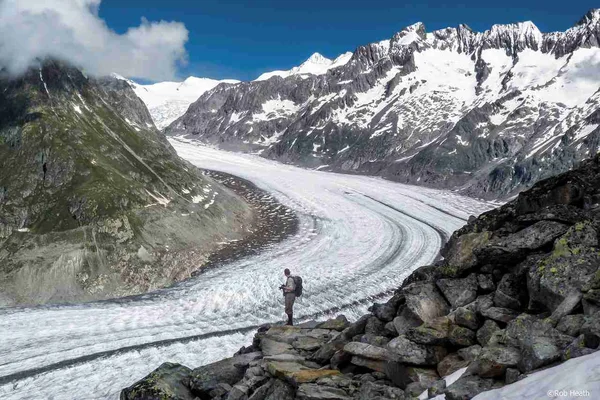
Swiss glaciers lose 5.5 percent of their ice in 2026 as five year melt nears one fifth
Switzerland's glaciers have now lost 19.4 percent of their volume in five years, and glaciologists warn that the ice is collapsing from the inside as melt rates explode.
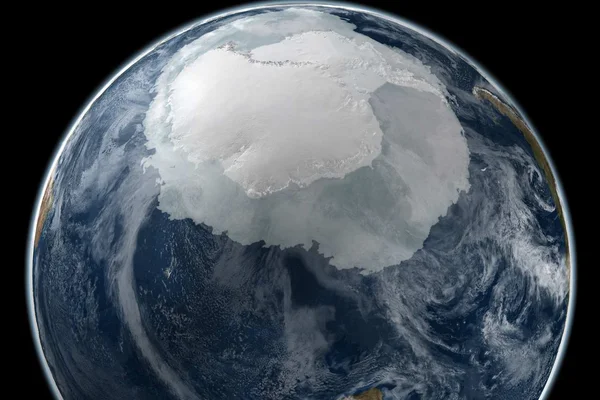
Antarctic winter sea ice hits third lowest maximum on record as four worst years cluster since 2022
Provisional satellite data show the Southern Ocean's winter ice cover peaked on 14 September at 17.59 million square kilometers, the third smallest in a record that begins in 1979.
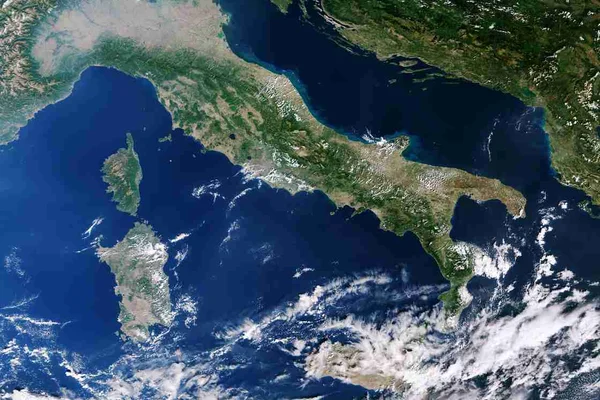
Copernicus report: oceans absorbed record 23 zettajoules of heat in 2025
The 10th Copernicus Ocean State Report documents record ocean heat, accelerating sea level rise, a 17 percent rise in acidity and unprecedented polar warming.
Comments (0)
Log in or sign up to leave a comment.
No comments yet. Be the first to share your thoughts.