China's Cyberspace Administration has released its third iteration of generative AI regulations, tightening requirements for model releases and tightening the screws on developers. The new rules require real-name registration for model developers, mandatory algorithmic filings before public deployment, and watermarking of all AI-generated content. They take effect October 1.
What Changed
The previous rules, from 2024, required algorithmic filings and security assessments for commercial models. The new rules expand those requirements to all models — including open-source releases — and add explicit real-name verification for developers. Generated images, video, and audio must carry a watermark identifying the producing model. The rules also forbid training data that "endangers national security" without defining the term precisely.
"China is not retreating from generative AI. It is establishing the most prescriptive national framework for it. Other jurisdictions will study this rulebook closely," said Kendra Schaefer of Trivium China.
Industry Reaction
Domestic Chinese AI companies have largely accepted the new rules, in part because the largest players — Baidu, Alibaba, ByteDance, and DeepSeek — already had compliance processes in place. Smaller developers and academic teams have raised concerns about the cost of compliance and the ambiguity around training-data restrictions. Several open-source projects have already announced they will move their development abroad.
- Real-name registration: Required for all developers
- Algorithmic filings: Mandatory before public deployment
- Watermarking: Required on all generated content
- Effective date: October 1, 2026
International Implications
China's approach to generative AI regulation contrasts sharply with the EU's risk-based framework and the U.S.'s sector-specific approach. The Chinese model emphasizes state control, content traceability, and developer accountability over disclosure and user rights. Several countries in the global south are watching the Chinese experiment closely as they draft their own rules.
The new requirements will likely create compliance friction for international companies operating generative AI products in China. U.S. providers including OpenAI and Anthropic remain blocked from the Chinese market. Google and Microsoft have adjusted their local offerings to comply with prior rules and will need to update their compliance posture again before October.
Related Articles

EU Cyber Resilience Act Reporting Rules Go Live With 24 Hour Flaw Disclosure Deadline
Manufacturers selling connected products in the EU must now alert ENISA and a national CSIRT within 24 hours of learning that a vulnerability is being actively exploited.

South Korea PIPA Amendment Takes Effect With 10 Percent Global Revenue Fine Ceiling
The revised law caps aggravated penalties at 10 percent of worldwide revenue, outranks GDPR limits, and writes the first national rules for training AI models on personal data.
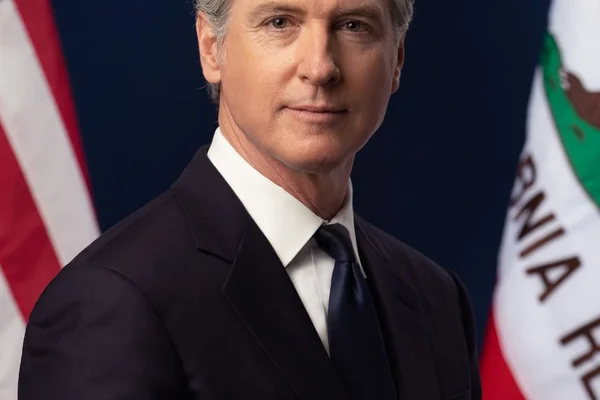
Newsom signs SB 813 and AB 1405 as California becomes first state to require AI audits
California will build a public registry of AI auditors by 2029 and let independent verification organizations assess models under two bills endorsed by OpenAI and Anthropic.
Comments (0)
Log in or sign up to leave a comment.
No comments yet. Be the first to share your thoughts.