Human-caused climate change made this summer's severe fire weather in Canada about twice as likely, a new World Weather Attribution (WWA) study found, with the Guardian reporting on August 6 that the human-driven climate crisis is fueling Canada's deadly wildfires. The analysis, covered by Eos and CBC, focused on July fire conditions in Ontario and the Northwest Territories, where detected fire activity ran from July 1-18.
Quantifying the Fingerprint
The team analyzed the Daily Severity Rating (DSR), a measure of how difficult a fire is to suppress once it ignites, and used climate models to test how often similar conditions would occur in a world without human-caused warming. The sustained severe DSRs in Ontario and the Northwest Territories were made about twice as likely, while the worst fire-weather week in the Northwest Territories was made roughly 27 times more likely, according to the researchers.
From Rare to Routine
In a world without climate change, similar extreme fire seasons would be expected about every 40 years. Today, they are expected every 2-6 years in the Northwest Territories and every 6-15 years in Ontario, the study found. While a doubling may sound small, a small change makes a huge difference for an ecosystem and a community, said Frederike Otto, scientific lead of WWA, noting the fires are incredibly hard to suppress with available people power and technology.
Why It Matters
The attribution results land in the middle of a political fight: President Trump has blamed management failures for the fires, while the study points to climate change, The Hill reported. With communities facing displacement in repeated fire seasons, Theodore Keeping, a climate scientist at Imperial College London and coauthor of the report, said the findings show the impacts of climate change are very real and can be quantified — a crucial input for fire policy, suppression budgets and evacuation planning across Canada.
Related Articles
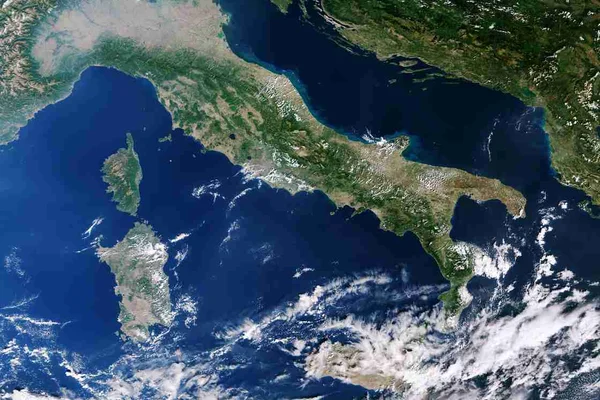
Copernicus report finds summer 2026 was Europe's hottest on record with 52 percent heat stress
The EU climate monitor said 52 percent of the continent faced feels-like temperatures above 38 degrees Celsius, Western Europe's hottest summer on record and the third warmest for Europe overall.
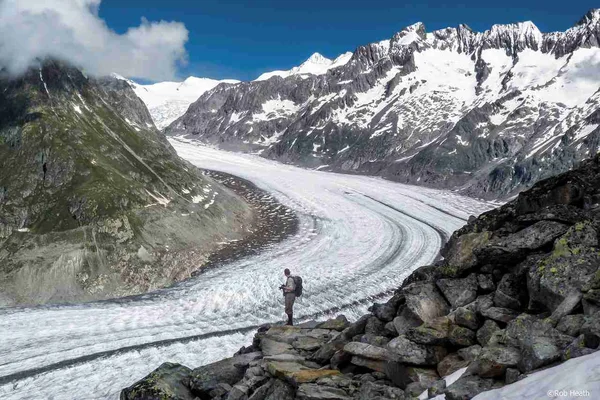
Swiss glaciers lose 5.5 percent of their ice in 2026 as five year melt nears one fifth
Switzerland's glaciers have now lost 19.4 percent of their volume in five years, and glaciologists warn that the ice is collapsing from the inside as melt rates explode.
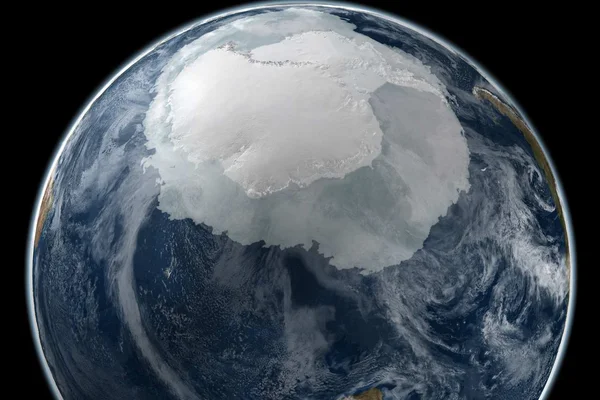
Antarctic winter sea ice hits third lowest maximum on record as four worst years cluster since 2022
Provisional satellite data show the Southern Ocean's winter ice cover peaked on 14 September at 17.59 million square kilometers, the third smallest in a record that begins in 1979.
Comments (0)
Log in or sign up to leave a comment.
No comments yet. Be the first to share your thoughts.