Power curtailments continue to rise in California despite a range of initiatives to ease congestion, as new clean power generation outpaces new grid capacity, Reuters reported this week. Some 4.5 million megawatt-hours of solar and wind power were curtailed in California in the first half of 2026, compared with 3.77 million MWh in the same period a year earlier — a 19 percent jump that underscores the state's transmission bottleneck even as it smashes clean-energy records.
Too Much Sun, Too Few Wires
Curtailment — paying generators to shut down or be limited because the grid cannot carry their output — typically spikes on sunny spring days when solar production peaks and demand is low. California's duck curve has grown more pronounced each year as utility-scale solar capacity compounds, and interconnection queues now stretch years behind schedule. Battery storage has become the state's primary shock absorber, with utility-scale storage capacity growing at roughly 70 percent annually, according to the Climate Tech and Clean Energy weekly report — but storage saturation is also being reached in some pockets of the grid, analysts note.
The waste has a price: every curtailed MWh represents forgone revenue for generators and a missed emissions reduction, and the state's grid operator has warned that without accelerated transmission buildout — including new high-voltage lines through the Central Valley and upgraded interties — curtailments could exceed 10 percent of annual renewables output within three years, according to the Reuters analysis.
Federal Pushback and the Storage Bridge
California's experience is being watched nationally as other states build out renewables faster than their grids can absorb them. Federal permitting reform and the FERC Order 2023 interconnection overhaul were designed to address queue backlogs, but transmission siting remains a multi-year hurdle. In the meantime, storage is doing the heavy lifting: developers added gigawatts of new battery capacity in the first half, and the California Independent System Operator says batteries now routinely absorb the midday solar peak — a bridge that buys time, but only until the next congestion point appears.
Related Articles
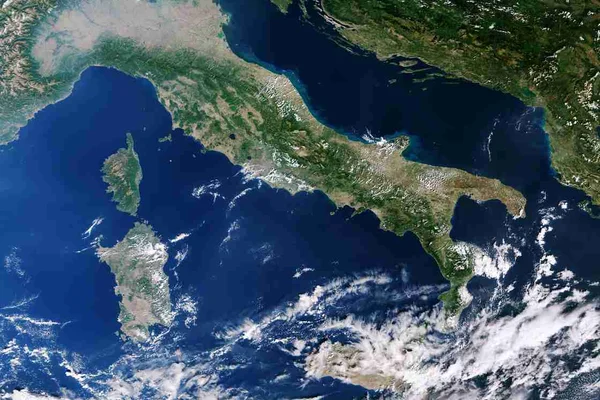
Copernicus report finds summer 2026 was Europe's hottest on record with 52 percent heat stress
The EU climate monitor said 52 percent of the continent faced feels-like temperatures above 38 degrees Celsius, Western Europe's hottest summer on record and the third warmest for Europe overall.
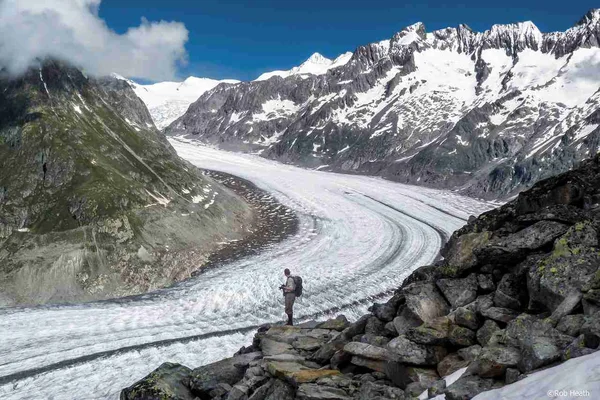
Swiss glaciers lose 5.5 percent of their ice in 2026 as five year melt nears one fifth
Switzerland's glaciers have now lost 19.4 percent of their volume in five years, and glaciologists warn that the ice is collapsing from the inside as melt rates explode.
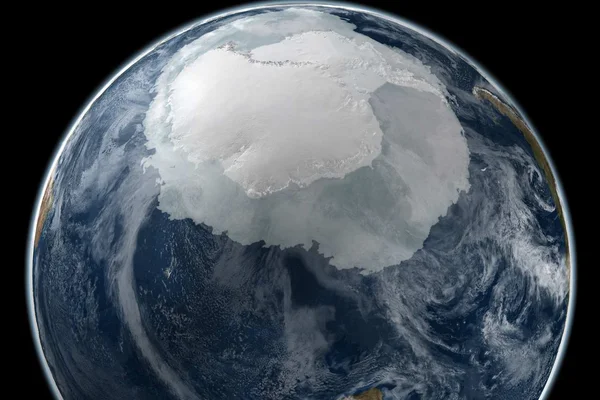
Antarctic winter sea ice hits third lowest maximum on record as four worst years cluster since 2022
Provisional satellite data show the Southern Ocean's winter ice cover peaked on 14 September at 17.59 million square kilometers, the third smallest in a record that begins in 1979.
Comments (0)
Log in or sign up to leave a comment.
No comments yet. Be the first to share your thoughts.