A consortium of Australian ornithologists and virologists warned on August 24, 2026, that backyard bird feeders have become an unexpected transmission hotspot for H5N1 highly pathogenic avian influenza as the country's 2026 outbreak spreads. The warning, published in a rapid communication in the journal Emerging Infectious Diseases and reported by ScienceDaily, follows genome sequencing that links six separate human exposures to feeder sites in Victoria and New South Wales since the outbreak began in May.
The Australian Outbreak
Australia's first confirmed H5N1 detection of the 2026 season came from a commercial poultry farm near Meredith, Victoria, on May 12. The virus spread to 17 additional commercial sites by July, mostly along the southeastern coast, and to at least 24 backyard flocks by mid-August. The human cases — six to date, all mild and self-limiting — were not poultry workers but rather backyard bird enthusiasts who reported handling dead wild birds at or near their feeders. Genome sequencing showed that the human isolates were nearly identical to the wild-bird isolates recovered from feeder sites within 5 kilometers of the patients' homes, providing the first direct link between feeding behavior and human spillover.
Why Feeders Matter
Bird feeders aggregate. A single well-stocked feeder in suburban Melbourne or Sydney can attract hundreds of birds per day from species that would not otherwise come into close contact: rainbow lorikeets, noisy miners, silvereyes, and a dozen other passerine species. The aggregation creates two transmission dynamics. First, shared food surfaces concentrate virus shed in saliva and feces. Second, the aggregation brings together species with different innate immune responses — lorikeets are particularly susceptible to H5N1, while miners carry the virus asymptomatically — that would not normally overlap in the wild. The dynamic is well-documented for salmonella and trichomonas, but the August 24 paper is the first peer-reviewed evidence for H5N1.
What the Researchers Recommend
The consortium recommends four actions. First, stop feeding during outbreak periods — the simplest and most effective intervention. Second, if feeding continues, use feeders designed for single-species use, such as nectar feeders for lorikeets and seed feeders for finches, and space them more than 30 meters apart to prevent cross-species aggregation. Third, clean feeders weekly with a 10% bleach solution. Fourth, report dead wild birds to the relevant state authority — the Australian Department of Agriculture has a hotline and an online reporting tool — and avoid handling dead birds without gloves. The consortium's preferred recommendation, however, is the simplest: take the feeders down until spring 2027.
The Global Picture
The Australian outbreak is one of nine active H5N1 outbreaks worldwide in August 2026, the others being in Indonesia, Vietnam, Bangladesh, Egypt, Nigeria, Peru, the United Kingdom, and Spain. The UK outbreak, which began in early July, has spread to 41 commercial poultry sites and is the largest in Europe since 2022. The Spanish outbreak, which began in June, has been largely contained by aggressive culling. None of the active outbreaks has yet produced sustained human-to-human transmission, but the WHO has classified the global H5N1 clade currently circulating as a "candidate pandemic pathogen" since May 2026, triggering additional surveillance in 17 countries.
What to Watch Through Year-End
Three checkpoints follow. The Australian spring migration, which begins in late September, will reveal whether the virus spreads to northern Australia via migratory shorebirds — a scenario the consortium says is "highly likely" based on the patterns of related H5N1 lineages. The WHO's quarterly H5N1 risk assessment, due in October, will reveal whether the Australian feeder-linked transmission dynamic is being seen in other countries. And the US CDC's decision on whether to expand its wastewater surveillance for H5N1, which is currently piloted in 12 states, will indicate whether US public health authorities believe the spillover risk has crossed a threshold that justifies broader monitoring.
Related Articles
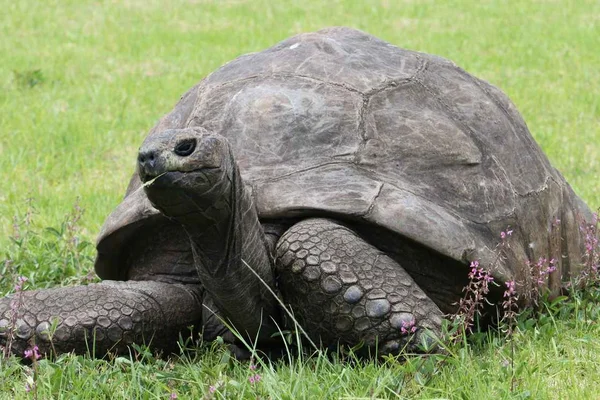
Jonathan the 194 year old tortoise carries 287 gene variants linked to longevity
A genomic and epigenetic study of the world's oldest land animal found 287 variants in DNA repair and cancer suppression pathways plus unusually stable mitochondrial gene switches.
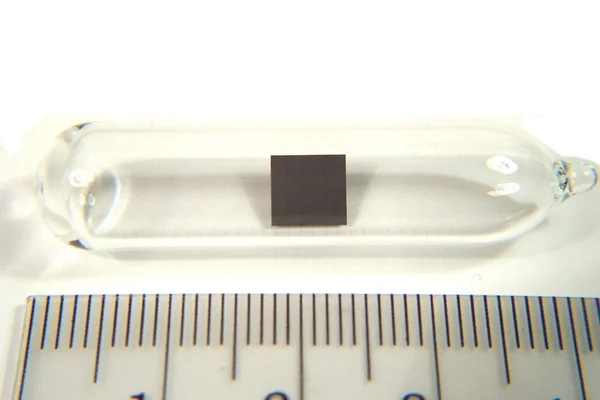
Vienna and Beijing Teams Build First Operating Thorium 229 Nuclear Clocks
Two independent research groups in Vienna and Beijing have reported the first operating nuclear clocks, using thorium-229 nuclei in calcium fluoride crystals and lasers to count time.

Nobel Prize in Chemistry 2026 awarded to Kagan and Soai for the mystery of life's one handed molecules
The Royal Swedish Academy of Sciences honoured two chemists whose work explains how reactions can favour one mirror image of a molecule, the trick that makes life and many modern drugs possible.
Comments (0)
Log in or sign up to leave a comment.
No comments yet. Be the first to share your thoughts.