Bangladesh is now at the centre of the world's worst measles outbreak reported in 2026. The Directorate General of Health Services said on 19 October 2026 that measles related deaths had reached 1,201 and suspected cases 214,551 since the outbreak began in mid March. No other country has reported as many suspected measles cases this year. The toll has kept rising even after emergency campaigns reached nearly 20 million children, a sign that transmission remains intense and that the response has not closed the immunity gaps that allowed the virus to spread.
The outbreak is a sharp reversal for a country of 178 million people that had been a vaccination success story. The World Health Organization and UNICEF estimated 96% first dose measles coverage and 93% second dose coverage in 2024, close to the 95% level needed to prevent outbreaks. But that year protests ended 15 years of rule by Prime Minister Sheikh Hasina. Health workers went on strike, vaccine orders were delayed and follow up vaccinations were disrupted. In a July report, WHO and UNICEF estimated first dose coverage fell to 90% in 2025 and second dose coverage to 86%.
The first signs came in mid March. By 9 October, WHO had counted 202,000 suspected cases, including 22,000 laboratory confirmed infections, and 1,147 deaths. Of the reported deaths, 94% were among children under five. The DGHS tally is higher because it combines suspected and confirmed deaths reported by hospitals and districts rather than only cases in the WHO surveillance line list. The gap reflects incomplete and contested data while hospitals still report around 1,000 suspected measles admissions a day.
Reuters investigations have described weak data, missed children and vaccination gaps as central drivers. Almost 20 million children were vaccinated in April and May, but a June health intervention had a target list with four million more children than the measles campaign, revealing how many children the campaign had missed. The government opted for one readiness check instead of the usual four before the April campaign. By August, 85% of confirmed cases were unvaccinated, compared with 82% before the campaign. A new campaign launched at the end of September targets 3.4 million missed children. UNICEF and the Bangladesh Bureau of Statistics say up to 40% of children are unregistered.
Key Facts
The Business Standard reported on October 19 that five more children died from measles like symptoms in the 24 hours to 8am on 19 October 2026, taking the combined toll of suspected and laboratory confirmed measles related deaths to 1,201. Of that total, 1,097 were suspected deaths and 104 were confirmed through laboratory tests. A total of 1,307 new suspected cases raised the cumulative number to 214,551. Another 35 confirmed cases brought total laboratory confirmed infections to 23,157. Since 15 March, 190,663 patients with suspected measles have been hospitalised and 183,042 have recovered.
Reuters reported on October 17 that WHO counted 202,000 suspected cases, 22,000 of them laboratory confirmed, from mid March to 9 October 2026. That is more suspected cases than any other country in 2026. WHO recorded 1,147 deaths over the same period, with 94% of reported deaths among children under five. The Reuters account noted that measles usually kills two or three people per 1,000 cases, but can be more deadly in poorer countries because of malnutrition. The government did not respond to further questions sent in October.
ReliefWeb reported on October 16 that Bangladesh had recorded 208,570 suspected measles cases and 1,073 suspected measles deaths as of 14 October, including 104 confirmed measles deaths during the reporting period. Dhaka Division carried the highest cumulative burden, with 87,200 suspected cases and 486 suspected deaths. Hospital surveillance recorded around 1,000 suspected measles admissions daily, peaking at 1,251 on 8 October. The same report said a dengue surge produced more than 100,000 hospital admissions in 2026, straining beds and staff.
WHO reported on October 4 that Bangladesh had launched an independent review of its Expanded Programme on Immunization and vaccine preventable disease surveillance, supported by WHO and partners. The review ran from 4 to 14 October 2026 across all eight divisions and examined programme management, human resources, vaccine supply, service delivery, coverage and data, surveillance, outbreak response, and communication. It also looked at the timeliness and adequacy of the 2026 measles response. Key findings were presented on 14 October, with a draft report and action plan expected in November 2026.
Analysis
What this really means is that Bangladesh's measles crisis is a systems failure, not a freak accident. The country did not lack a vaccine or a delivery network. Its immunization programme, established in 1979, had kept Bangladesh polio free for more than 15 years and sustained maternal and neonatal tetanus elimination. It had 2024 coverage close to the herd immunity threshold. What it lost during political turmoil was routine follow up, accurate registration and local trust. The virus found the children who had been left out, and the response struggled to find them because the data did not fully count them.
Official messaging has not matched the outbreak's trajectory. In May, Health Minister Sardar Md Sakhawat Husain said the emergency drive had brought cases in hotspots almost to zero and that the outbreak was under control. Yet in September Bangladesh reported a daily average of 1,198 new measles cases, the highest since May. Prime ministerial adviser Ziauddin Hyder told Reuters on 14 September that there was a coverage gap, blaming vaccine hesitancy and child illness. Those explanations are part of the picture, but they sit alongside the four million child gap between the June target list and the measles campaign, the single readiness check before the April campaign, and the 40% of children who are unregistered. The bigger picture here is that weak data and weak delivery reinforce each other: children who are not counted are harder to reach, and children who are not reached keep the outbreak alive.
The age profile makes the response harder. Of the deaths reported to WHO through 9 October, 94% were among children under five. Infants under nine months are not yet eligible for routine measles immunisation, so they depend on community immunity and catch up campaigns for older children. Health experts are pressing the government to vaccinate children over five, who represent a third of cases. The new nationwide measles rubella campaign launched on 26 September targets about 3.4 million unvaccinated or missed children, prioritising Dhaka and Cox's Bazar. Its success will depend less on doses available than on whether teams can find children outside official lists.
Why It Matters
Reuters reported on October 19 that Mark Jit, a WHO vaccine adviser and professor at NYU's School of Global Public Health, said the outbreak is a real warning to every country. The warning is not that measles is new. It is that a country can fall from 96% first dose coverage to 90% in a single year and from 93% second dose coverage to 86%, and that this decline can be enough to seed an outbreak of more than 200,000 suspected cases. The 94% share of deaths among children under five makes the consequence plain. Measles is one of the most contagious viruses known, and it finds unvaccinated children when routine services slip.
The household cost is another reason the outbreak matters beyond the official death count. An IFRC and Bangladesh Red Crescent cash assessment found that nine out of ten measles affected families had to borrow money for treatment, spending an average of more than US$130. That is a heavy burden when health worker posts are unfilled and up to 40% of children are unregistered. When families pay to treat a disease that a routine vaccine could prevent, the outbreak becomes an economic shock as well as a health emergency. The data problem is not a side issue either. WHO and UNICEF questioned the quality of official vaccination data for 2023 to 2025, noting that preliminary figures sometimes showed more than 100% of targets inoculated, indicating counting errors. Reported measles rubella campaign coverage of 115.7% across divisions and 115.4% in city corporations points in the same direction. If coverage is overstated, donors and planners can believe a country is safer than it is. The independent review that ran from 4 to 14 October is therefore as much about credibility as about clinical care.
Next Up
The immediate test is whether the new measles rubella campaign can reach the 3.4 million unvaccinated or missed children it is targeting, especially in Dhaka and Cox's Bazar. The DGHS daily bulletin will be watched for a sustained fall in new suspected cases and deaths. The current numbers are still moving in the wrong direction: 1,307 new suspected cases and five more deaths were reported in the 24 hours to 8am on 19 October. The independent review's draft report and action plan are due in November 2026. WHO, UNICEF and the Measles and Rubella Initiative are among the partners that will expect follow through.
A second test is whether Bangladesh widens its target group. Health experts are pressing the government to vaccinate children over five, who represent a third of cases, and to improve registration so that campaigns can find children who are missing from official lists. The country's polio free status and its maternal and neonatal tetanus elimination show that its immunization programme can deliver when systems are functioning. The measles outbreak has shown how quickly those gains can be undermined when coverage falls, data weakens and emergency campaigns are planned with incomplete lists. For other countries, the lesson is not that Bangladesh is uniquely vulnerable. It is that the same slide from 96% to 90% first dose coverage could happen almost anywhere, and that the world's worst outbreak in 2026 began with gaps that were visible before the first child died.
Related Articles
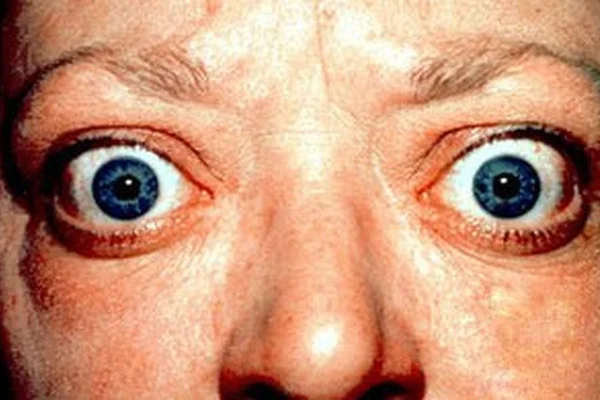
FDA Approves Roche's Enspryng as First At-Home Subcutaneous Treatment for Thyroid Eye Disease
Roche's IL-6R inhibitor becomes the first thyroid eye disease therapy that adults in the United States can inject at home, after regulators reviewed the filing on a priority basis.
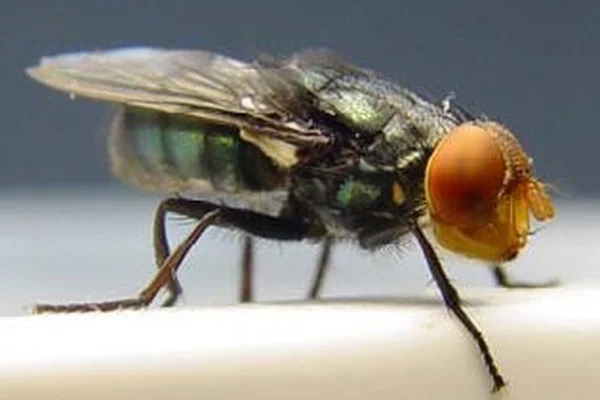
PAHO alert: human New World screwworm cases in the Americas jump 62 percent in 2026
PAHO/WHO counted 1,355 human myiasis cases and five deaths across six countries through September 2026, and urged health, animal and environmental agencies to act together.
Revolution Medicines wins CHMP backing for Rasonque in metastatic pancreatic cancer
The European Medicines Agency committee backed Rasonque, or daraxonrasib, for previously treated metastatic pancreatic cancer, sending the decision to the European Commission.
Comments (0)
Log in or sign up to leave a comment.
No comments yet. Be the first to share your thoughts.