On July 29, 2026, Asia's tech sector suffered a broad selloff, with losses spreading from Korea's Kospi to Taipei and Tokyo. The Financial Times reported that the trigger was cautious language from Samsung Electronics regarding memory prices and inventory levels in its Q2 earnings preview released that day.
Transmission Path
Samsung is the "price leader" of Asia's tech sector — its DRAM and NAND pricing directly affects expectations for SK Hynix, Micron, and upstream equipment maker Tokyo Electron. When Samsung issued the warning, sector sentiment transmitted rapidly:
- Kospi: down 3.4%, with memory stocks leading the decline
- Tokyo Electron: shares fell, reflecting uncertainty in memory equipment demand
- Taiwan semiconductors: TSMC and memory-related packaging and testing names weakened in tandem
- China memory chain: with CXMT's IPO approaching, related concept stocks saw profit-taking
FT's Core Read
The FT emphasized in its same-day report: "Samsung's wording is not only an inventory issue — it may be a signal of the AI demand cadence." The market began reassessing the previously optimistic assumption of "AI capex continuing to beat expectations," and some hedge funds have already trimmed their Asia tech allocations.
"We are seeing the first reality check of the AI investment cycle." — a Singapore sovereign wealth fund portfolio manager told the FT.
A Counterbalance Against Microsoft's Earnings
Notably, Microsoft's FY26 Q4 earnings after the bell on the same day will be another key variable. If Microsoft provides strong AI capex guidance, it could trigger a short-term sector rebound; otherwise, it could amplify the selloff mood. This "two-way event" makes the day one of the most important trading days for Asia semiconductors in months.
Sources: Financial Times (FT), Bloomberg, Reuters, CNBC.
Related Articles
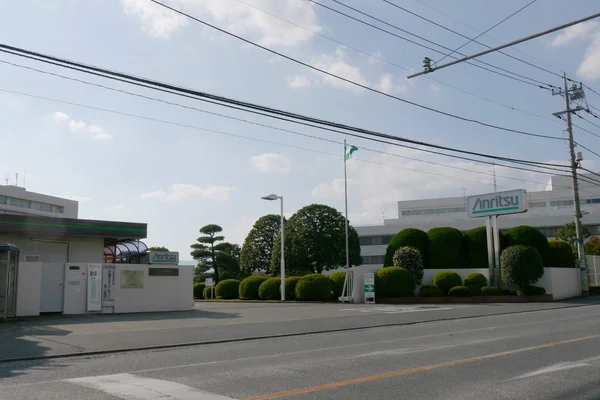
Anritsu 220 GHz VectorStar Powers Africa First Sub Terahertz Measurement Facility at Pretoria
The University of Pretoria's CEFIM has installed an Anritsu 220 GHz VectorStar VNA, doubling its calibrated measurement ceiling from 110 GHz to 220 GHz and creating Africa's only comprehensive sub-terahertz facility.
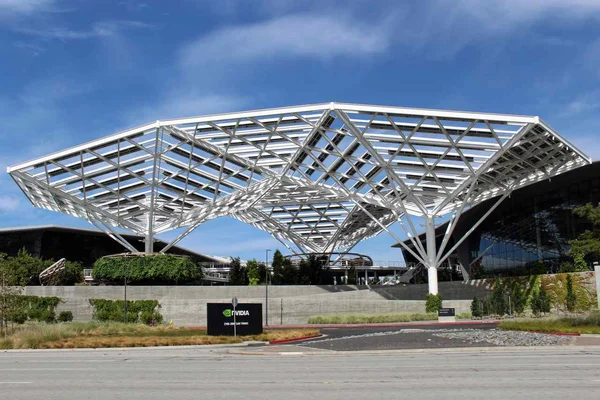
Nvidia opens rack ecosystem to d-Matrix as Raptor inference XPUs join NVLink Fusion
The Santa Clara chip startup will connect its upcoming Raptor inference accelerators to Nvidia MGX racks via NVLink Fusion, targeting initial availability in late 2027.
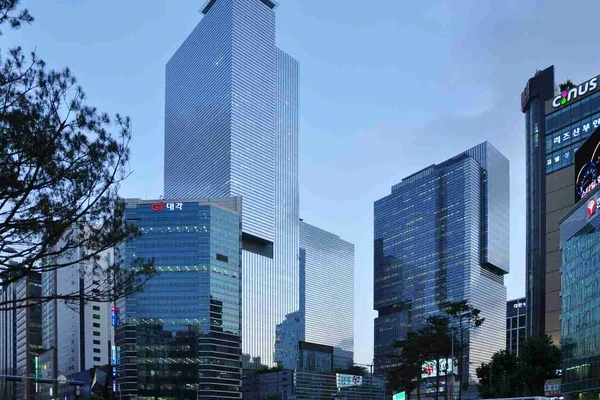
SMIC Narrows Foundry Market Share Gap With Samsung as Top 10 Foundries Hit Record $53.49 Billion Quarter
SMIC's second quarter revenue surged 20 percent to more than $3 billion, lifting its foundry market share to 5.4 percent and narrowing the gap with Samsung Foundry at 5.9 percent, according to TrendForce.
Comments (0)
Log in or sign up to leave a comment.
No comments yet. Be the first to share your thoughts.