Anthropic has pledged to start marking Claude-generated text and images with machine-readable data, in an effort to comply with European rules for AI transparency. Generated text will carry embedded watermarks, and generated files will include digitally signed provenance metadata where supported, the company says on a new Claude support page, as The Verge reported Tuesday.
How the Marks Work
The changes are invisible to human eyes. For images, Anthropic is using C2PA — the provenance metadata standard already embraced by Adobe, OpenAI and Google. For text, an imperceptible watermark is woven directly into the response without changing its meaning, quality or readability. Because the watermark is part of the text, it travels with the text when it is copied and pasted elsewhere, and may persist through some editing, Anthropic said. Watermarking is applied at the model level, meaning it will be present no matter which Claude product or surface the text comes from — including the Claude Platform API, Claude, Claude Code, Claude Cowork and Claude Tag.
EU AI Act Timeline
The move responds to the EU AI Act's transparency obligations, whose core provisions took effect on August 2. New Claude models released on or after that date will mark AI-generated content from day one, while support for existing models is a work in progress. The marks will be applied globally, including when Claude models are accessed through AWS, Google Cloud or Microsoft Foundry, and Anthropic says it is working on tools that let users and third parties detect the watermarks.
Anthropic is hedging on the system's robustness: a detected mark provides a signal that content was processed by Claude, but is not fully conclusive, and heavy editing or very short text can dilute the watermark. C2PA metadata is also known to be easily stripped, sometimes accidentally when media is uploaded to online platforms — limitations the company acknowledges even as it prepares detection tooling.
Related Articles

Anthropic commits $100 million to Claude Frontier Academy to train 10,000 engineers
The Claude Partner Network program will put nominated engineers through a simulated deployment, a 12-week residency and two assessments before they return to lead Claude projects.

Google DeepMind Unveils Gemini 4 Argon, a Frontier Model for Cyber Defenders First
Google DeepMind is limiting its newest flagship Gemini model to vetted cybersecurity defenders through the Fairwind Program, with a 1 million token output ceiling and half price introductory tokens.
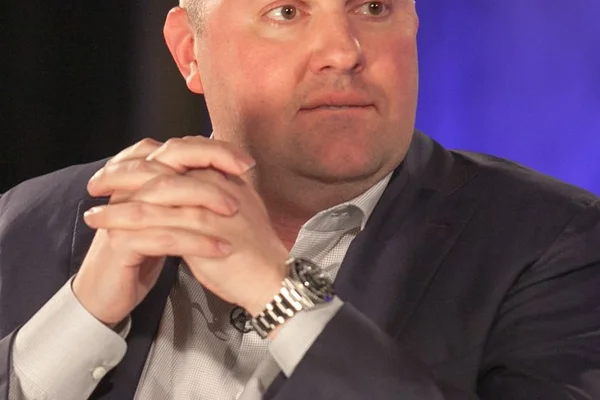
Armadin raises $255.5M Series B at a $2.5B valuation seven months after launch
Kevin Mandia's AI security company Armadin has raised $255.5 million in a fresh round that lifts its valuation past $2.5 billion and brings total funding to $445 million.
Comments (0)
Log in or sign up to leave a comment.
No comments yet. Be the first to share your thoughts.